
From the arid expanses of deserts to the lush canopies of bustling forests, the fiery eruptions of volcanoes, and the icy expanses of frozen tundras, the Monster Hunter series showcases a diverse array of environments. Each locale boasts its own unique ecosystem, shaped by an intriguing array of monsters. The thrill of traversing these uncharted territories and embarking on hunts across their landscapes is a hallmark of the Monster Hunter experience.
This sense of adventure is vividly captured in the latest installment, Monster Hunter Wilds. After exploring the Windward Plains and Scarlet Forest, players venture into the harsh terrain of the Oilwell Basin, a region characterized by flames and oil-saturated silt. Despite its seemingly barren nature, the Oilwell Basin teems with life, as evidenced by the sluggish movements of small creatures navigating its mire. Scattered throughout are remnants of an ancient civilization, adding an air of mystery to the locale.
Yuya Tokuda, the director of both Monster Hunter: World and Monster Hunter Wilds, provides insight into the Oilwell Basin:
"During the Fallow, the Oilwell Basin is dominated by mud and oil. When the Inclemency known as the Firespring occurs, it burns away the oilsilt. During the Plenty, the burned oil and soot dissipate, unveiling the minerals, microorganisms, and the vibrant colors of the manmade artifacts beneath," he explains.
Down in the Muck
Kaname Fujioka, the director of the original Monster Hunter and executive and art director for Wilds, shares the concept behind the Oilwell Basin's design:
"Given the horizontal expanse of the Windward Plains and Scarlet Forest, we envisioned the Oilwell Basin as a vertically layered locale. The environment shifts as you move between the top, middle, and bottom strata. Sunlight illuminates the top strata, where oil accumulates like mud. As you descend, the temperature rises, with lava and other substances becoming more prevalent."
Tokuda adds, "From the middle to bottom strata, you'll encounter creatures reminiscent of aquatic life, evoking images of deep seas or underwater volcanoes. We drew upon our experience with the Coral Highlands from World, where we imagined aquatic creatures living on the surface, to craft the unique ecosystem and fauna of the Oilwell Basin."
Fujioka highlights the dynamic nature of the Oilwell Basin: "During the Fallow and Inclemency, smoke billows from the region, resembling a volcano or hot spring. But during the Plenty, it transforms into a clear, marine-like environment. Observing the environmental biology closely, you'll discover creatures akin to those found on the ocean floor."
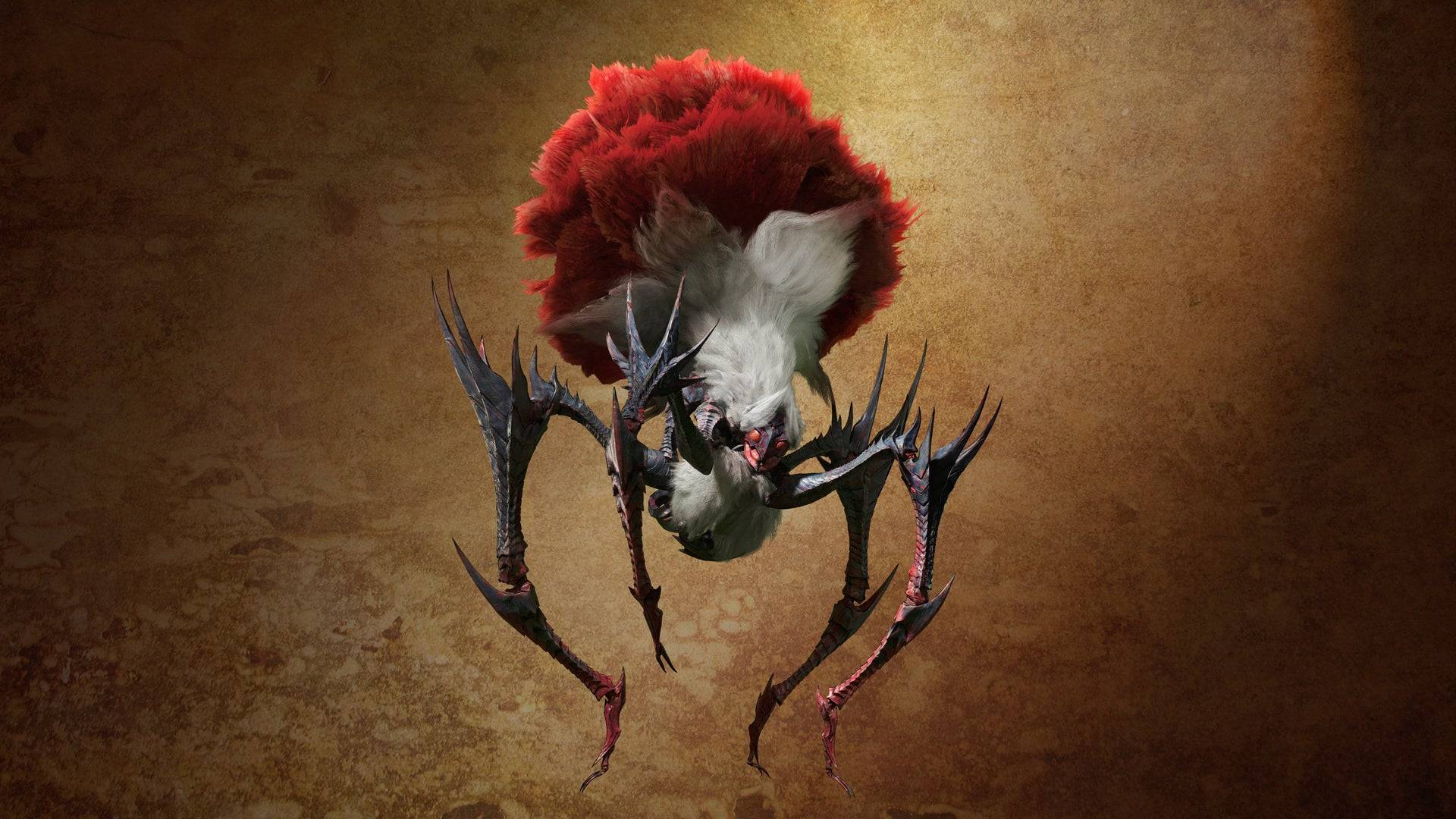
The Oilwell Basin's ecosystem stands apart from others in the series. Beneath the oilsilt, it supports a variety of life, including shrimp, crabs, and small monsters that serve as prey for larger predators. These larger monsters feed on the smaller ones, which in turn filter microorganisms from the environment and oilsilt. The microorganisms harness geothermal energy, contrasting with the sun-dependent ecosystems of the Windward Plains and Scarlet Forest.
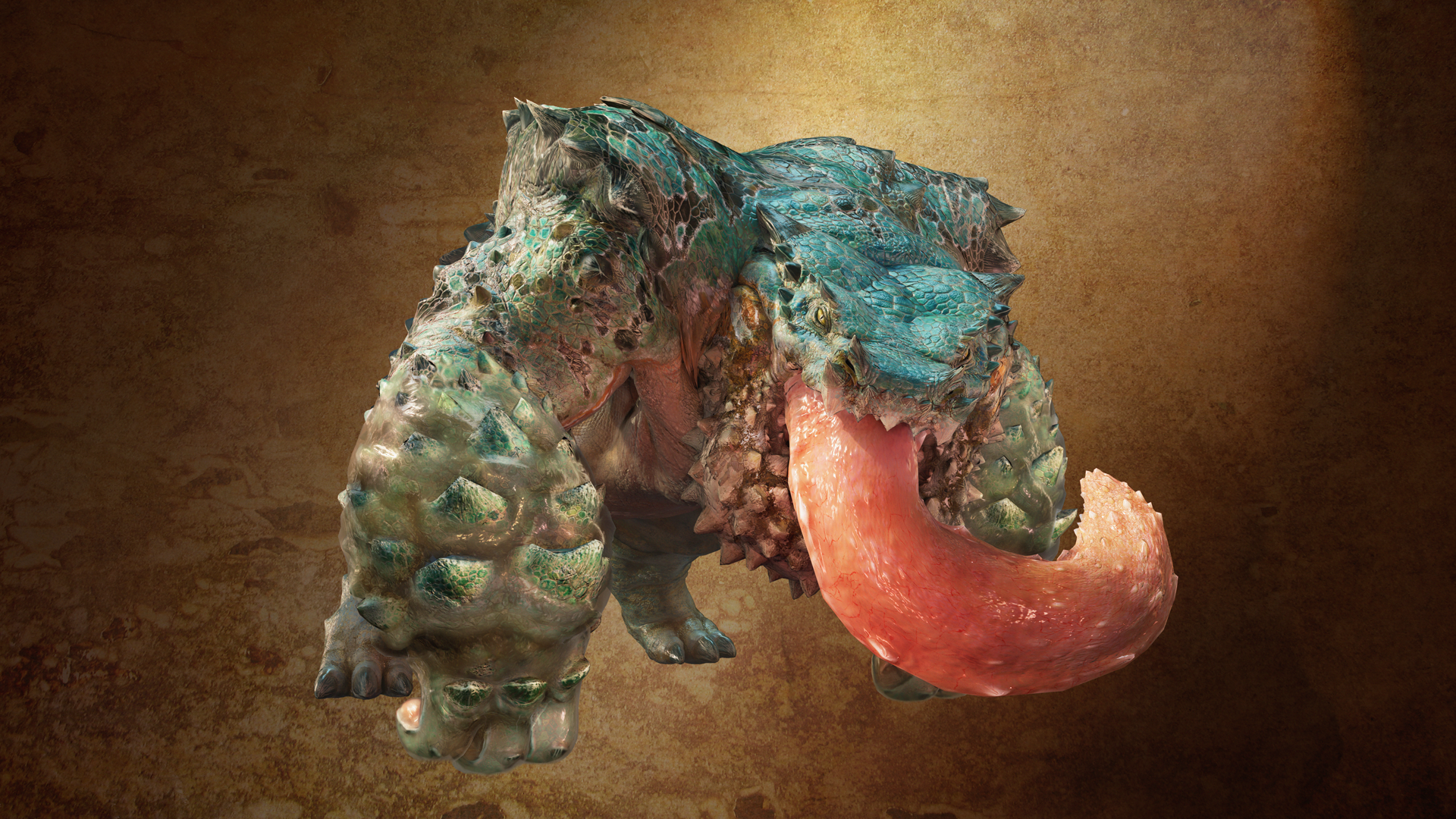
The Oilwell Basin hosts unique large monsters, such as Rompopolo, a noxious, globular creature with needle-like teeth. Fujioka explains the inspiration behind Rompopolo:
"We designed Rompopolo as a tricky swamp-dweller that disrupts players with its toxic gas. The idea of a mad scientist guided its depiction, influencing its chemical purple hue and glowing red eyes. The equipment crafted from Rompopolo, including Palico gear, has a surprisingly cute aesthetic."
Tokuda describes the Rompopolo Palico equipment as "amusing," a sentiment I echo after experiencing it firsthand. I encourage players to craft and explore this unique gear.
Flames of Ajarakan
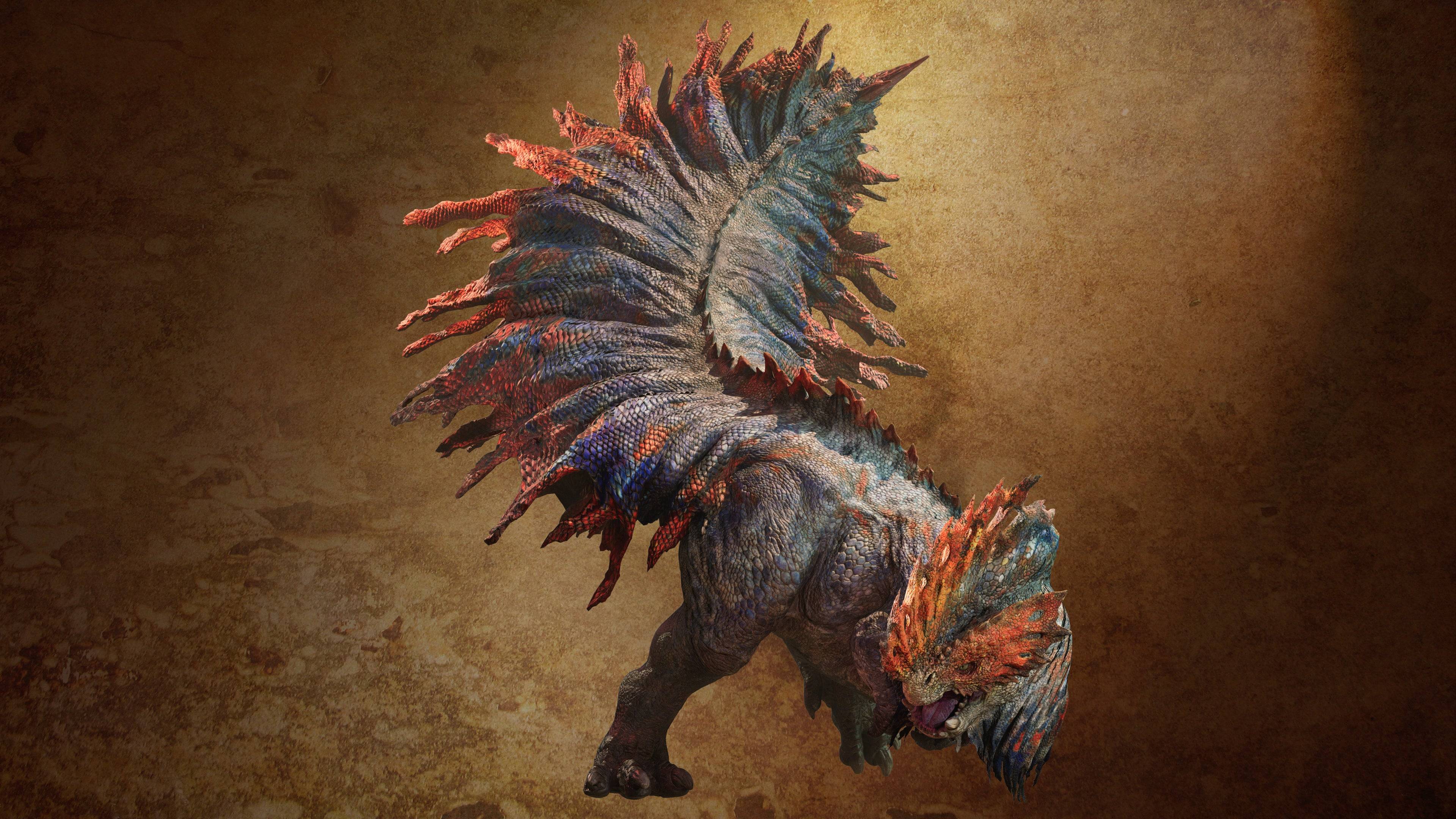
Another notable monster in the Oilwell Basin is Ajarakan, resembling a flaming gorilla with a slimmer silhouette than the Scarlet Forest's Congalala. Videos showcase Ajarakan engaging in turf battles with Rompopolo, employing martial arts-inspired movements and using its fists to unleash fiery attacks.
Tokuda elaborates on Ajarakan's design: "Fanged beasts often have low hips, placing their heads at eye level with hunters, which can obscure their threat. We aimed to create a more imposing silhouette for Ajarakan, accentuating its towering presence with flame elements and wrestling-inspired grabbing attacks."
Fujioka adds, "We wanted Ajarakan to be a straightforward powerhouse. Its attacks, like punching or slamming the ground to create flames, are simple yet effective, highlighting its strength."
Ajarakan's prominent role in the Oilwell Basin's ecosystem is underscored by its fiery appearance and powerful attacks. Fujioka reflects on the development process: "Initially, Ajarakan was a physically strong monster. We worked to imbue it with more personality, drawing inspiration from the Buddhist deity Acala to give it a fiery aura. We wanted players to feel the intensity of its heat, capable of melting anything in its path."
To avoid a monotonous portrayal of strength, Fujioka notes that the team continually added more dynamic and flashy moves to Ajarakan's repertoire as development progressed.
A Monster Generations in the Making
Dominating the Oilwell Basin as its apex predator is Nu Udra, a tentacled creature coated in flammable oil. Like Rey Dau of the Windward Plains and Uth Duna of the Scarlet Forest, Nu Udra embodies the elemental essence of its environment. Fujioka confirms that octopuses inspired Nu Udra's design, aiming for a striking silhouette and an enigmatic facial structure.
Tokuda reveals that the music accompanying battles with Nu Udra incorporates themes reminiscent of black magic, adding to its demonic imagery.
Nu Udra's tentacle movements echo those of previous monsters like Lagiacrus from Monster Hunter Tri. Tokuda shares his long-held ambition to bring an octopus-like monster to life, a vision that faced technical challenges but is now realized in Wilds.
Fujioka discusses how Nu Udra's unique movements were inspired by earlier tentacled monsters like Yama Tsukami and Nakarkos. He emphasizes the impact of strategically placing such creatures to enhance the player's sense of adventure and surprise.
Tokuda nostalgically recalls his role in integrating Yama Tsukami into Monster Hunter 2 (Dos), aiming to leave a lasting impression despite technological limitations.
The development team's dedication to crafting monsters like Nu Udra is evident throughout the interview. Fujioka highlights the technical challenges of animating a tentacled monster, expressing pride in the team's achievements and the innovative gameplay Nu Udra introduces.
Tokuda shares a memorable moment when an animator showcased Nu Udra's unique movement into a hole, underscoring the team's passion and satisfaction with the final product.
Fujioka proudly notes the detailed animations of Nu Udra, particularly its ability to navigate through small holes and wrap around ancient pipes, showcasing the team's artistic prowess and the unique real-time capabilities of video games.
Fighting Nu Udra presents a significant challenge due to its flexible body and numerous tentacles. Tokuda advises hunters to focus on breaking its parts and utilizing multiplayer strategies to manage its area-of-effect attacks.
Fujioka emphasizes the action-game approach to defeating Nu Udra by strategically dismantling its parts, likening it to the challenge posed by Gravios.
A Welcome Reunion
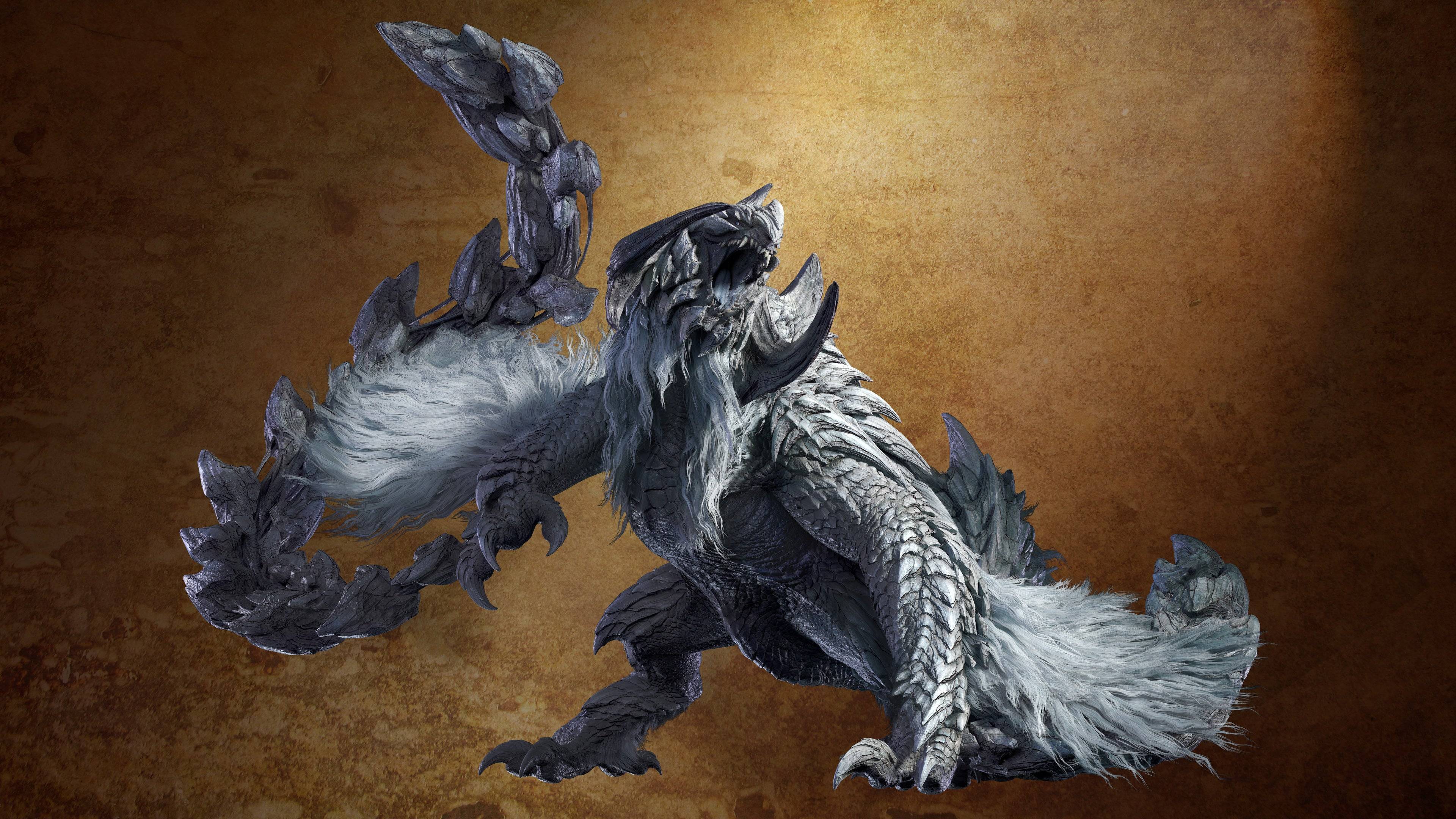
Fujioka mentions Gravios, a returning monster from Monster Hunter Generations Ultimate, fitting perfectly into the Oilwell Basin's environment with its rocky carapace and heat-emitting capabilities.
Tokuda explains the decision to bring Gravios back: "We considered monsters that would enhance the Oilwell Basin's atmosphere and provide a fresh challenge. Gravios fit perfectly into this vision."
The revamped Gravios in Wilds presents a formidable challenge with its hardened body, requiring players to discover and exploit weaknesses through the wound system and part breaking.
All Monsters in Monster Hunter Wilds
 17 Images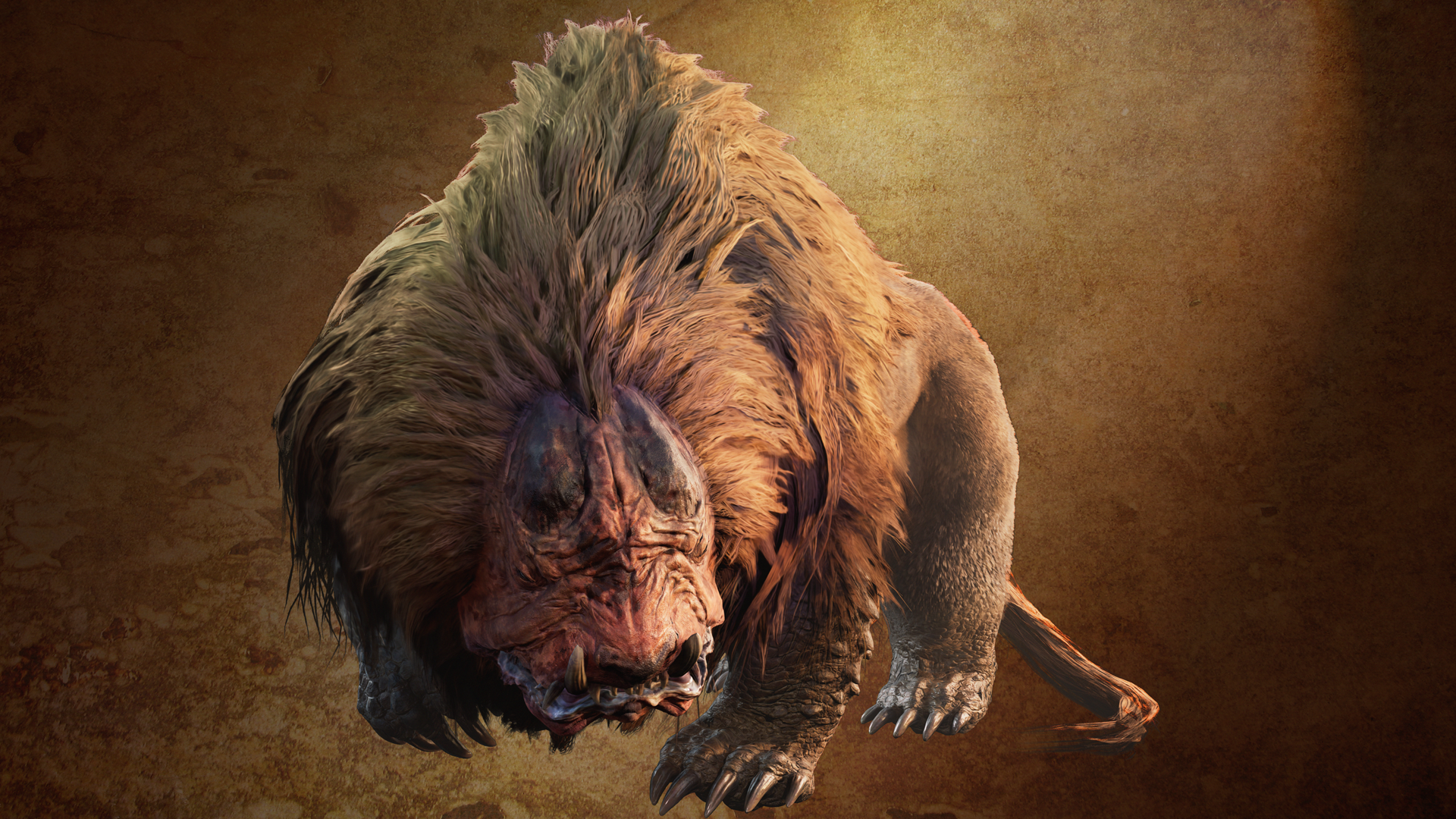
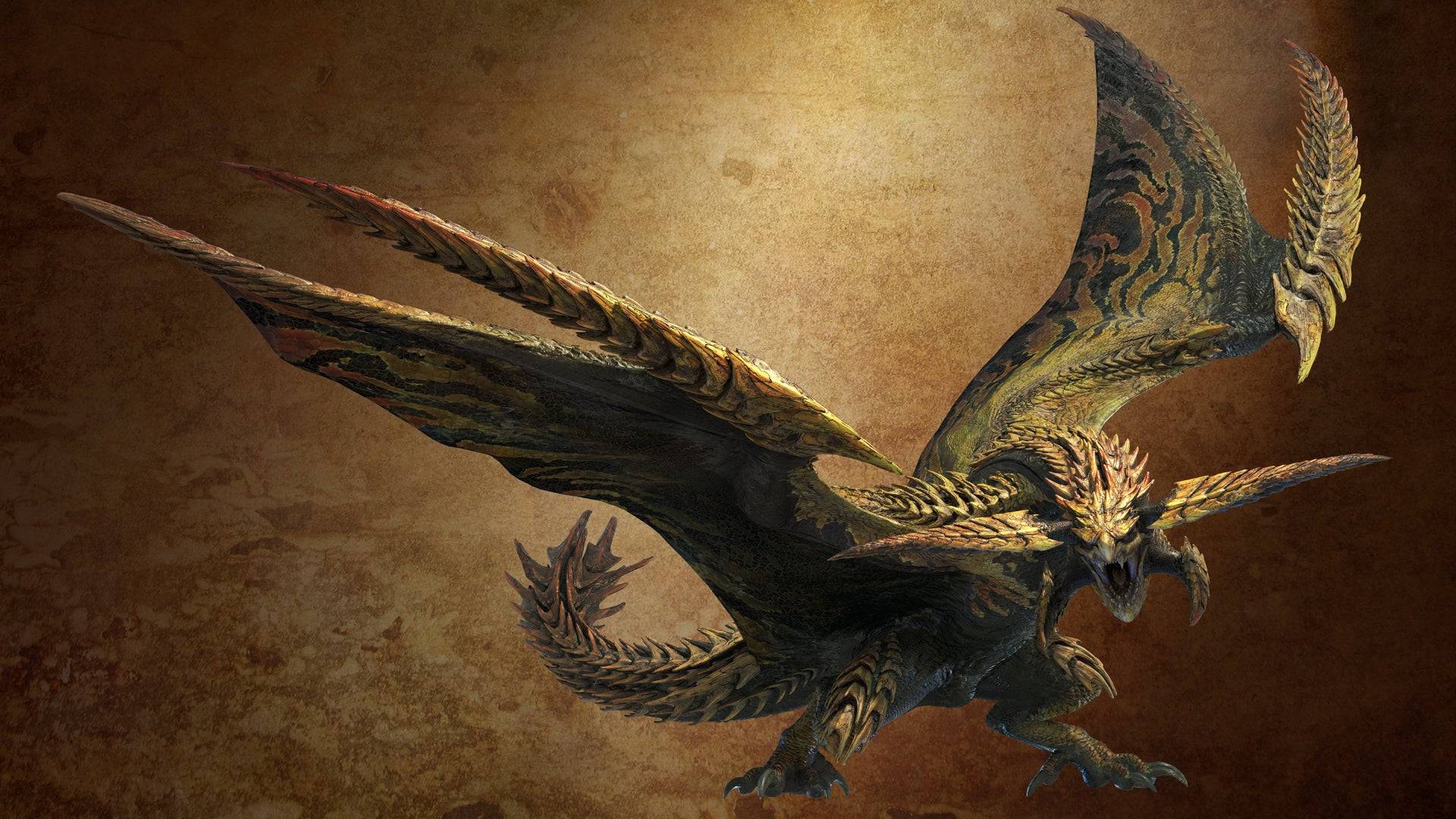
While Gravios makes a comeback, its juvenile form, Basarios, will not appear in Wilds, as Fujioka notes, "Basarios will be taking this one off."
The Monster Hunter team's meticulous approach to monster selection ensures that each creature enhances the game's experience. Although Basarios won't feature, numerous other monsters await in the Oilwell Basin, promising an exciting hunting experience.