
This past weekend marked the first network tests for Elden Ring: Nightreign, the upcoming standalone multiplayer game branching from FromSoftware's acclaimed title. Unlike last year's Shadow of the Erdtree DLC, Nightreign shares only its parent game's name and aesthetic. Instead of an open world, it features a streamlined survival format where three-player teams descend onto shrinking maps, battling enemies and increasingly difficult bosses. This design clearly draws inspiration from the immensely popular Fortnite—a unsurprising influence, considering Fortnite's recent 200 million player milestone this month alone.
However, Nightreign bears a striking resemblance to a less celebrated, and often maligned, game: 2013's God of War: Ascension. And that's a very good thing.
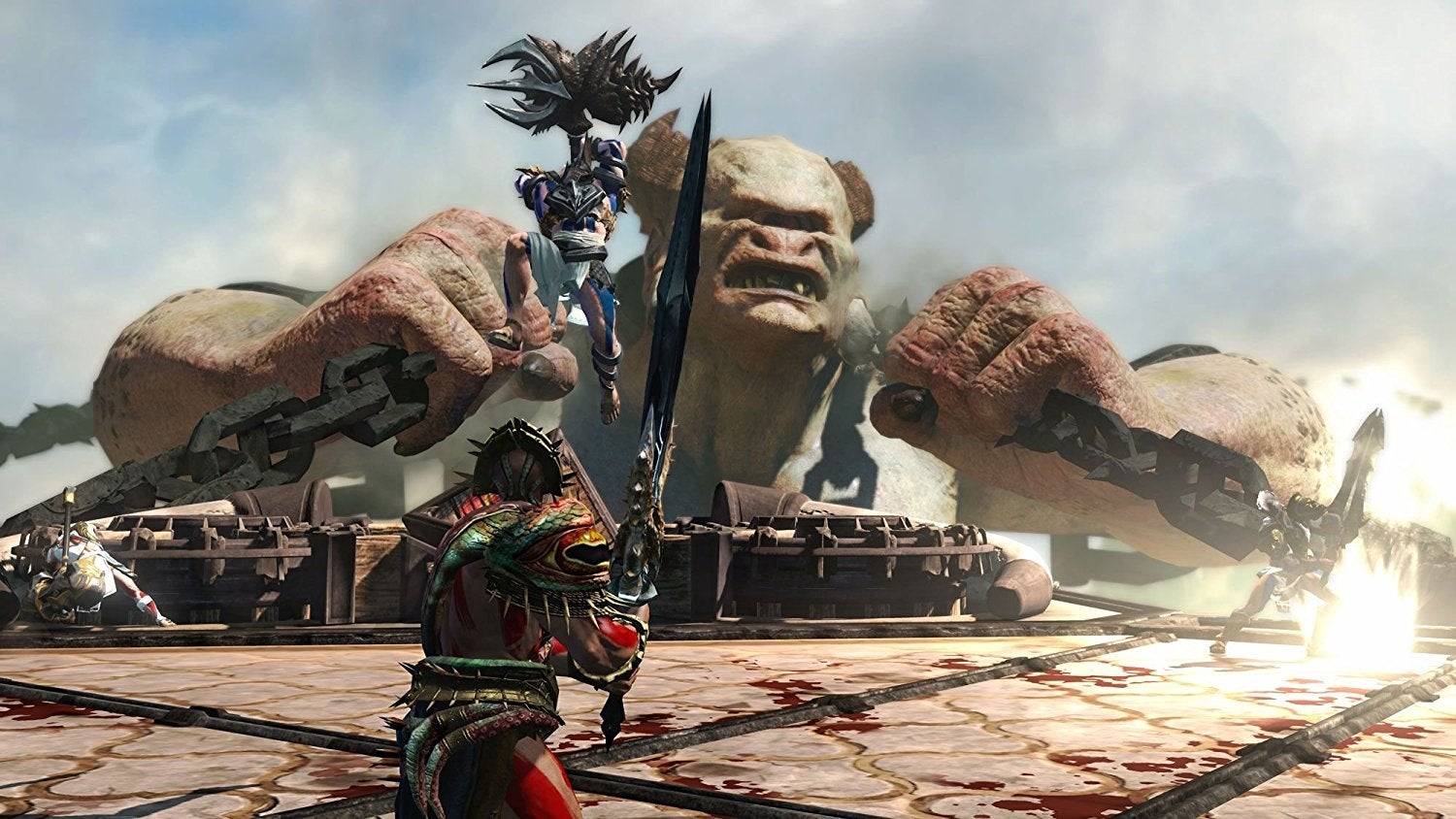
Released between 2010's God of War 3 and 2018's Norse reboot, Ascension served as a prequel, preceding the original Greek mythology trilogy. It followed Kratos' struggle to break his oath with Ares. Failing to match the epic finale of the original trilogy, and attempting to revitalize a familiar formula, God of War: Ascension quickly gained a reputation as the franchise's black sheep—a decent appetizer preceding an amazing main course.
This reputation, while understandable, is arguably unfair. While Kratos' confrontation with the Furies in Ascension didn't reach the heights of his battle with Zeus, this divisive prequel boasted truly impressive set pieces, including the Prison of the Damned, a labyrinthine dungeon within a colossal, immobilized, 100-armed giant. More importantly, Ascension deserves credit for introducing something unprecedented to the franchise: multiplayer.
Within Ascension's story, players encounter a chained NPC in the Prison of the Damned who prematurely exclaims, "You saved me!" before being crushed by the level boss. Unlocking the multiplayer mode after this point reveals this NPC as the player character. Teleported to Olympus moments before their demise, players pledge allegiance to one of four gods—Zeus, Poseidon, Hades, or Ares—each granting unique weapons, armor, and magic. These tools are used across five multiplayer modes, four of which are competitive PvP.
The fifth mode, Trial of the Gods, is cooperative PvE. And it's essentially Elden Ring: Nightreign.
Gameplay previews of Nightreign, released before the network tests by prominent Soulsborne YouTubers like VaatiVidya and Iron Pineapple, and IGN, highlighted similarities between FromSoftware's latest creation and live service games like Fortnite. Similar to those games, Nightreign blends randomized loot, resource management, and environmental hazards that damage health and restrict movement, increasing challenge as the game progresses. Nightreign even echoes one of Fortnite's most iconic visuals: players drop from the sky, carried by spirit birds, to their chosen location.
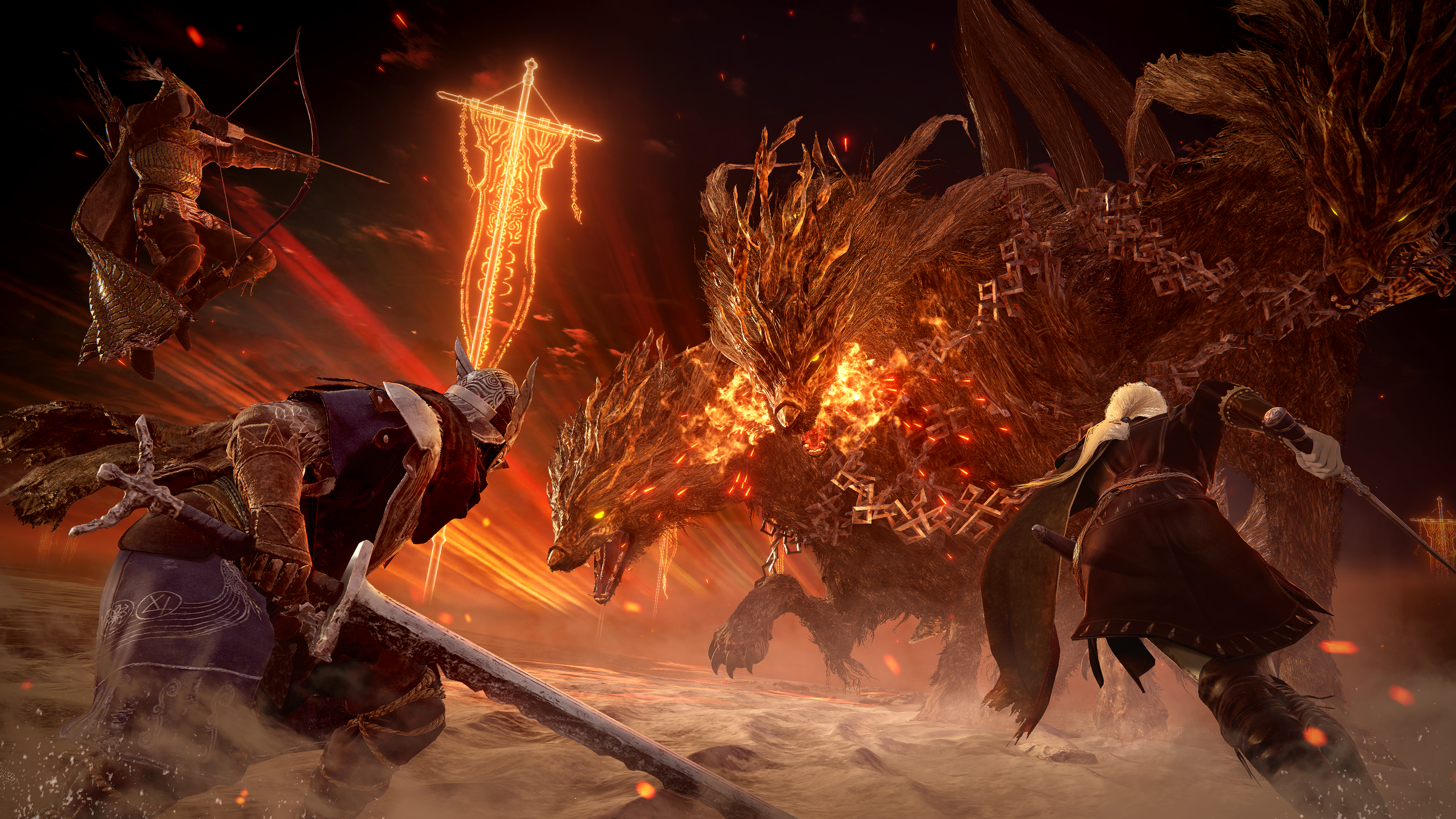
While the "where are we dropping?" element is absent in God of War: Ascension, a deeper look reveals significant common ground between Nightreign and Ascension's Trial of the Gods. Both are cooperative experiences where teams face increasingly challenging foes. Both unexpectedly allow players to confront bosses from previous games, such as Hercules from God of War 3 or the Nameless King from Dark Souls 3. Both feature a countdown timer (though Ascension's can be paused by defeating enemies), and both occur on small or shrinking maps. Both are multiplayer games developed by studios renowned for their single-player experiences, created without oversight from their respective series creators; Elden Ring director Hidetaka Miyazaki is currently working on an unannounced project, while the original God of War trilogy directors—David Jaffe, Cory Barlog, and Stig Asmussen—had left Sony Santa Monica before Ascension's development.
Crucially, Nightreign seems to evoke the same player response as Ascension's Trial of the Gods. Participants in FromSoftware's network test described their runs as frantic and exhilarating races against time. Unlike the base game's more relaxed pace, where players can approach scenarios strategically, using various weapons and abilities at their leisure, Nightreign demands instinctive action, emphasizing speed and resource limitation—constraints described by VaatiVidya as "made in the name of speed and efficiency." For example, to compensate for the absence of Torrent, players utilize a spirit horse-like ability, enabling faster running and higher jumps.
Ascension's multiplayer adapted its single-player design for faster pacing, employing techniques similar to Nightreign. It increased player run speed, extended jump distances, automated parkour, and included a grapple attack for pulling objects (a mechanic also present in Nightreign's Wylder character). These new moves are vital, because while combat isn't overly difficult—given the power fantasy nature of the franchise—Trial of the Gods overwhelms players with enemies, making every second count. This results in players sprinting and aggressively battling through hordes, mirroring the frantic action of Kratos.
AnswerSee ResultsNightreign's resemblance to Ascension is surprising, not only due to the latter's obscurity, but also because the Soulslike genre, to which Elden Ring belongs, initially stood in stark contrast to God of War. Where one empowers players as god-slaying warriors, the other casts them as nameless, cursed undead facing significant challenges from even ordinary enemies. One rarely displays a game over screen; the other relentlessly bombards players with them.
However, this challenge, once intensely frustrating in FromSoftware's earlier games, has lessened in recent years as players improved and developers introduced better weapons and spells, leading to numerous game-breaking builds in Elden Ring. Nightreign, lacking these builds, promises a renewed sense of challenge. Simultaneously, skilled players will experience what God of War: Ascension offered: the thrill of being a time-constrained, vengeful Spartan.