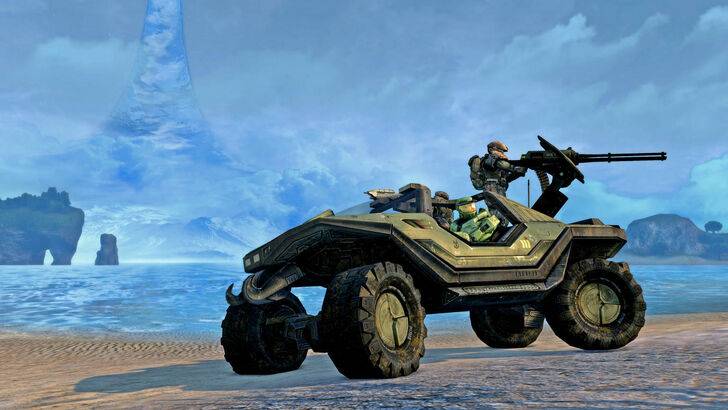
The 2011 remake of Halo: Combat Evolved Anniversary was a pivotal project for the then-independent studio Saber Interactive, who offered to develop it for free. Dive into the story to understand how this strategic move propelled a small indie team into the limelight of a renowned franchise.
Saber Interactive Offered To Do Halo For Free
A Huge Opportunity For An Independent Studio
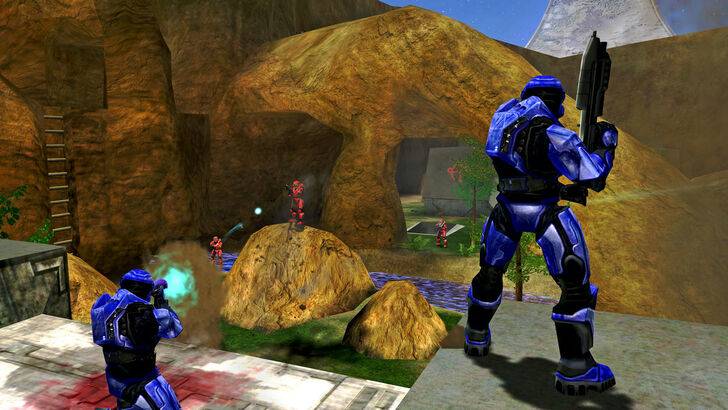
In an insightful interview with journalist Stephen Totilo for Game File, Saber Interactive's CEO and co-founder, Matthew Karch, disclosed the studio's bold pitch to Microsoft for remastering the iconic Halo game. Karch's proposition was straightforward and audacious: they would undertake the project for free. "Because it’s Halo," he explained, emphasizing the significance of the franchise.
The Xbox executive present was taken aback by the offer, but Karch saw it as a strategic move. At the time, Saber was a burgeoning indie studio, and working on such a high-profile franchise was an invaluable opportunity. "It’s the biggest franchise in the world at the time. I said: ‘It’s like putting a Harvard diploma on your wall. Everyone in the world is going to want to work with me after they see that I’ve worked on this last Halo game, and it is going to open up doors. So I’ll suck it up and I’ll do it at a loss.'"
Despite proposing a modest bid of $4 million at Microsoft's request, Saber received no royalties from the 2011 release of Halo: Combat Evolved Anniversary on the Xbox 360 due to certain contractual clauses imposed by Microsoft.
From Relying On Publishers To Becoming One Themselves
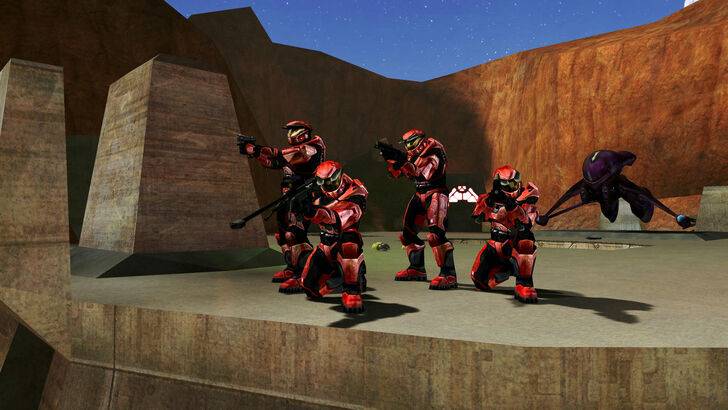
Although the initial project resulted in a financial loss, it paved the way for future collaborations. Microsoft later contracted Saber to contribute to Halo: The Master Chief Collection alongside other developers like Bungie and 343 Industries. Additionally, Saber was responsible for porting Halo: Combat Evolved Anniversary to the Xbox One.
However, a contractual oversight occurred when Microsoft failed to send the contract for the Halo Anniversary port until just before the collection's release. Karch refused to sign unless the royalty-killing clauses were removed. Microsoft agreed, and Saber was compensated generously for their work on The Master Chief Collection, receiving tens of millions of dollars.
This substantial payment was crucial for Saber, enabling them to pursue larger and more lucrative opportunities. "We’ve watched other people make money on our work. Now we’re going to make money on our own," Karch remarked to partner and Saber COO Andrey Iones at the time.
Saber Interactive Now
Following their successful stint with Microsoft, Saber Interactive expanded internationally, establishing new studios in Spain, Sweden, and Belarus, and acquiring other studios such as Binary Motion and New World Interactive. They also worked on various projects, including the Nintendo Switch port of The Witcher 3: Wild Hunt with CD Projekt Red and developed World War Z under their own banner.
In February 2020, Saber Interactive was acquired by the Embracer Group, becoming a subsidiary while retaining autonomy. Under Embracer, Saber continued to grow, acquiring more studios and developing titles like Evil Dead: The Game. However, financial challenges led Embracer to sell Saber Interactive to Beacon Interactive, a company owned by Saber's CEO Karch, allowing Saber to retain its branded studios and IPs.
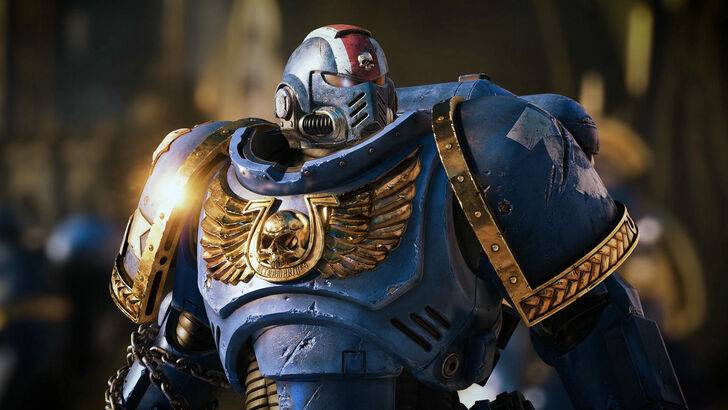
Despite the separation from Embracer, CCO Tim Willits reassured fans via X (Twitter) that ongoing projects would continue as planned. Currently, Saber Interactive is working on several high-profile titles, including Warhammer 40,000: Space Marine 2 (released in September 2024), John Carpenter’s Toxic Commando, and Jurassic Park: Survival.