
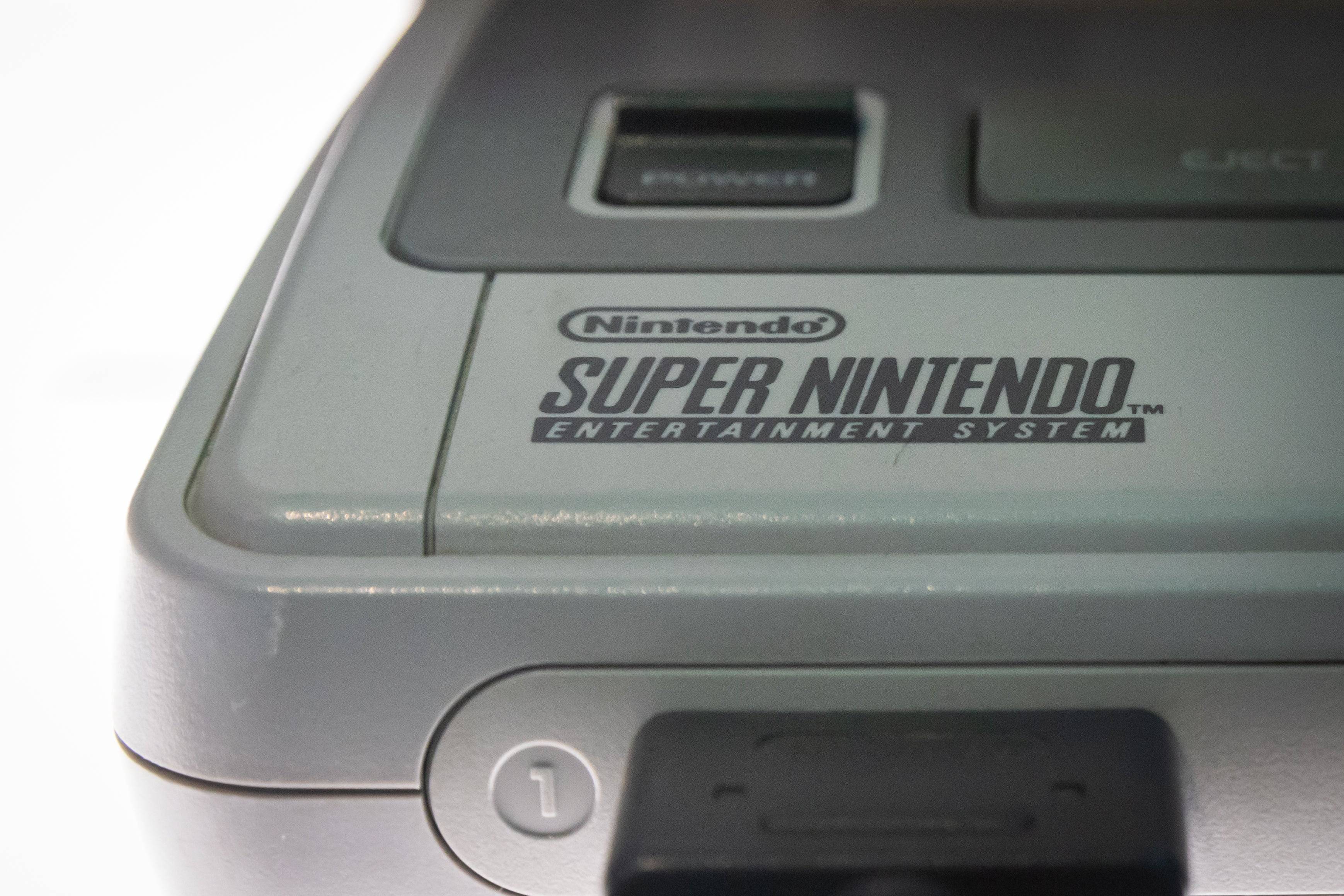
The speedrunning community is grappling with a fascinating technological phenomenon: the Super Nintendo Entertainment System (SNES) appears to be running games faster as it ages. This intriguing development was first highlighted by Bluesky user Alan Cecil (@tas.bot) in early February, suggesting that the nearly 50 million SNES units sold worldwide might now offer enhanced performance in classics like Super Mario World, Super Metroid, and Star Fox.
The notion that a video game console could improve its performance over time might seem far-fetched, but Cecil's research points to a specific component: the SNES's audio processing unit (APU) SPC700. According to official Nintendo specifications, the SPC700 has a digital signal processing (DSP) rate of 32,000Hz, controlled by a ceramic resonator running at 24.576MHz. However, retro console enthusiasts have noted that these specs aren't entirely accurate, with the DSP rate varying slightly based on environmental factors like temperature.
Cecil's investigation took a deeper turn when he asked SNES owners to record data from their consoles. The responses, over 140 in number, revealed a clear trend of increasing DSP rates over time. Previously recorded averages in 2007 were around 32,040Hz, but Cecil's recent findings show an increase to 32,076Hz. While temperature does influence these rates, it's not enough to account for the observed changes, suggesting that the SNES is indeed processing audio faster as it ages.
In a follow-up Bluesky post, Cecil shared detailed data, noting, "Based on 143 responses, the SNES DSP rate averages 32,076Hz, rising 8Hz from cold to warm. Warm DSP rates go from 31,965 to 32,182Hz, a 217Hz range. Therefore, temperature is less significant. Why? How does it affect games? We do not know. Yet."
While the exact cause of this phenomenon remains unclear, the speedrunning community is abuzz with the potential implications. A faster SPC700 could theoretically shorten load times in certain game sections, potentially affecting decades of leaderboard rankings. However, the impact on actual game speed is not a direct translation of APU speeds. Even under the most extreme conditions, the new findings might only shave off less than a second from an average speedrun.
As Cecil continues his research, the SNES is proving to age gracefully, nearing its 35th birthday with seemingly improved performance. For more on the SNES, you can explore its place on the list of best-selling consoles of all time.