The God of War series has been a PlayStation mainstay for four console generations. Kratos' vengeful journey, beginning in 2005, has defied expectations, thriving where other long-running franchises faltered. This longevity stems from a willingness to adapt. The pivotal 2018 reboot, transplanting Kratos from Ancient Greece to Norse mythology, dramatically altered the series' presentation and gameplay. However, even before this acclaimed shift, developer Sony Santa Monica subtly evolved the series, ensuring its survival.
Reinvention is key to future success. Director Cory Barlog hinted at exploring Egyptian and Mayan settings, and recent rumors suggest an Egyptian setting is a possibility. Ancient Egypt's rich culture and mythology make it a compelling choice. But a new setting is only the beginning; God of War must reinvent itself, building upon the successful elements of the Greek trilogy while enhancing them for a new era, much like the transition to the acclaimed Norse games.
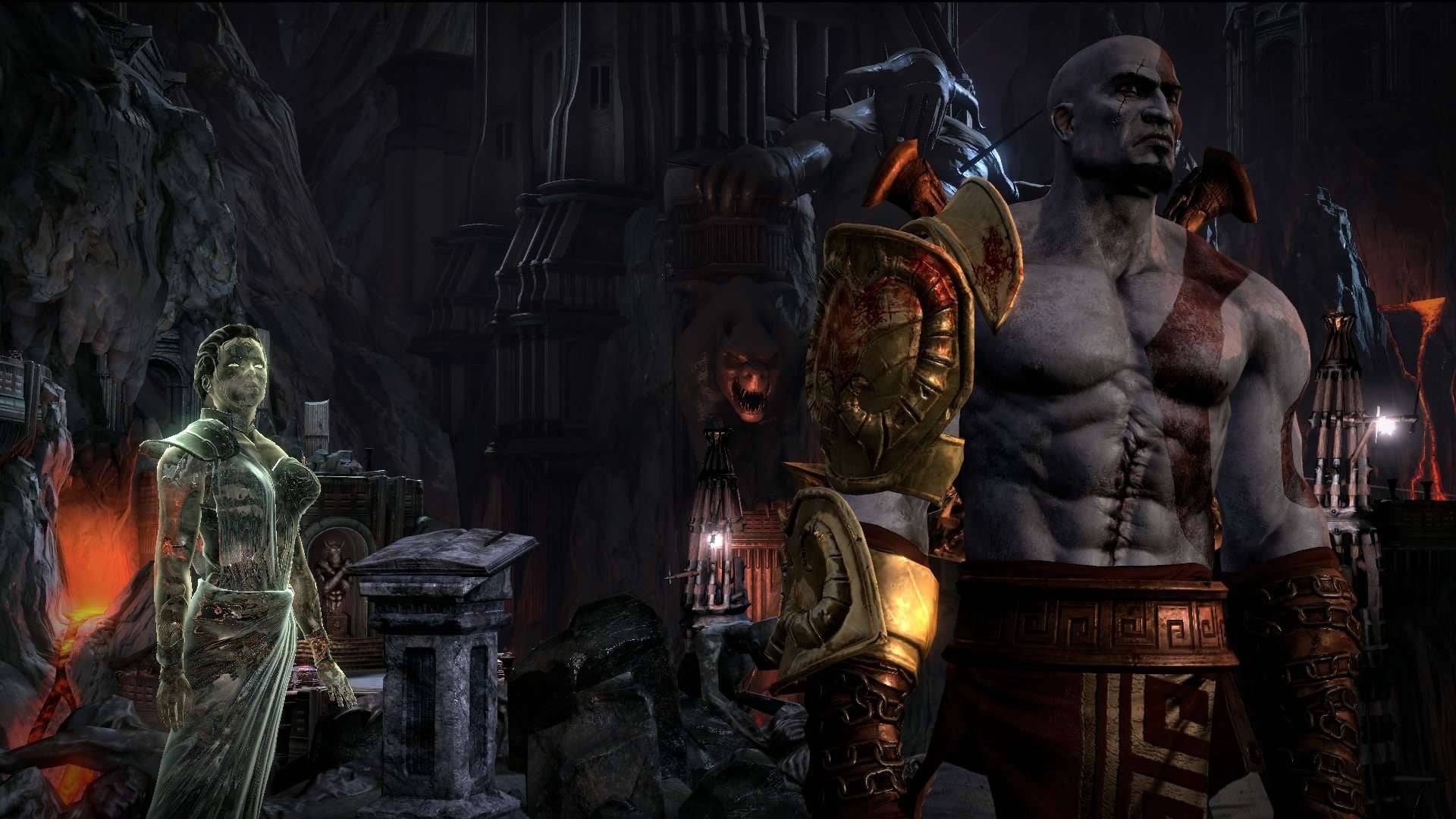
The Greek trilogy, spanning a decade, refined its hack-and-slash gameplay. By God of War 3, Kratos wielded a revamped magic system complementing the combo-based melee combat, facing increasingly diverse and challenging enemies. The PS3's enhanced power allowed for improved camera angles, showcasing the game's impressive graphics.
The reboot, however, shed some defining elements. The Greek trilogy's platforming and puzzle elements were largely absent in the Norse games, a consequence of the shifted over-the-shoulder camera perspective. Puzzles remained, but were redesigned to fit the adventure-focused approach.
Valhalla, the God of War Ragnarök DLC, notably brought back battle arenas, a feature from the original trilogy, adapted for the Norse setting. This mirrored the story, which saw Kratos confront his past in Valhalla, completing a narrative circle.
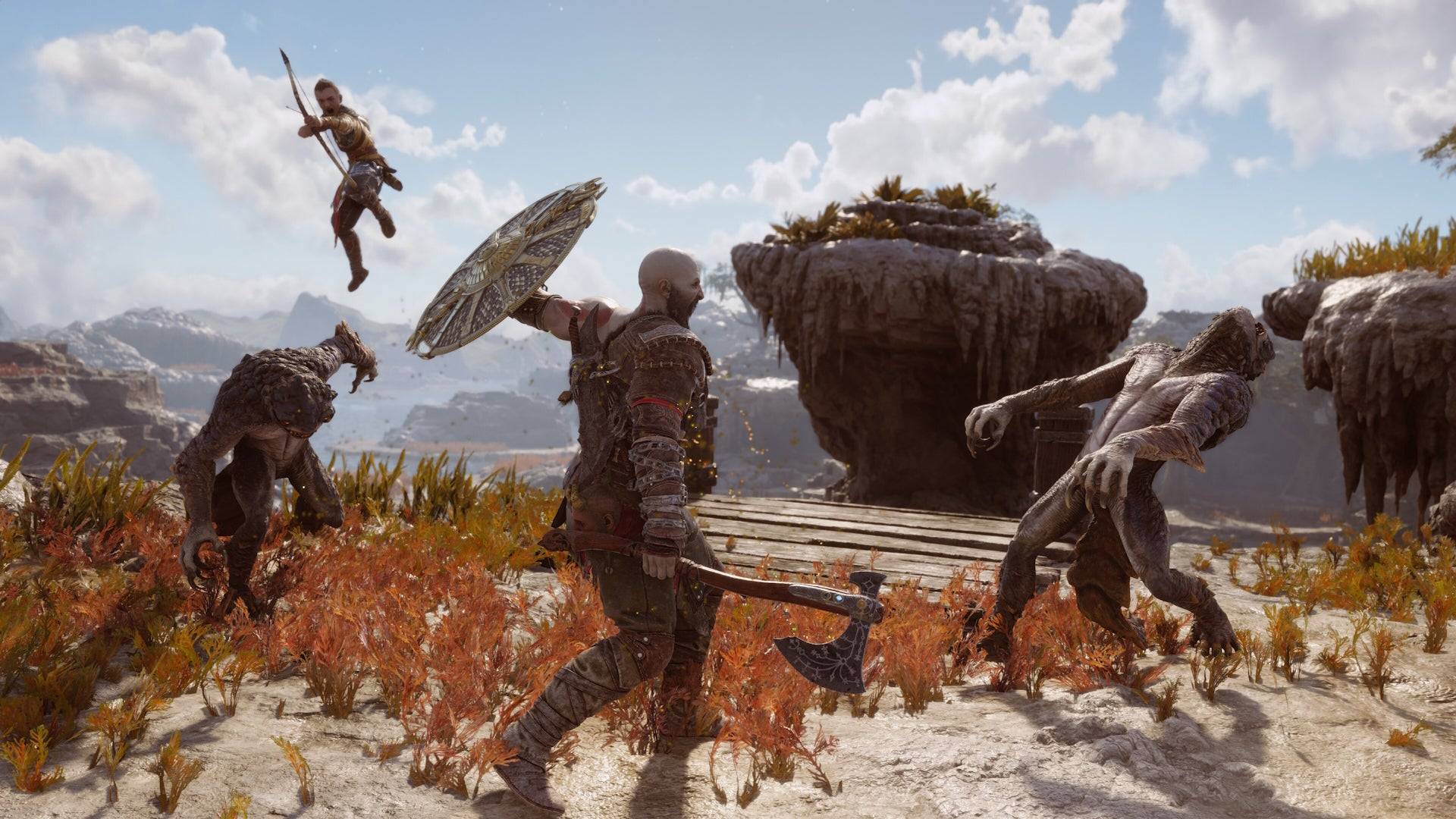
Beyond the mechanics, the Norse duology dramatically shifted the storytelling. Kratos' grief over his wife and strained relationship with Atreus formed the emotional core, a stark contrast to the original trilogy's more brutal narrative. This emotive approach significantly contributed to the Norse era's success.
God of War's evolution demonstrates a unique approach to franchising. The Norse games aren't sequels, but extensions of Kratos' journey. This philosophy should guide future installments. Radical reinvention isn't a guarantee of success, as Assassin's Creed demonstrates. While profitable, its frequent changes in setting and time period, particularly the shift to an open-world RPG, have divided fans, leading to criticisms of content bloat and a drift from its core assassin identity.
Assassin's Creed Mirage, a return to the series' roots, received positive feedback for its streamlined approach. Assassin's Creed Shadows seems to continue this trend. This highlights the potential pitfalls of abandoning what made a series successful.
AnswerSee ResultsGod of War's success lies in its skillful navigation of change. The Norse games, while a radical departure, retained the core elements that made Kratos compelling. The fierce combat remained, enhanced by new mechanics, weapons, and characters, creating a richer experience without losing its identity. Future installments must continue this pattern, building upon established strengths while innovating.
Whether the Egyptian setting rumors are true or not, the next God of War will be judged on its story, the cornerstone of the Norse duology's success. Kratos' character development from raging monster to complex father is testament to the power of the writing. Future entries must build upon this, creating bold new changes that define the next era of God of War.