
Before its global release, *Monster Hunter Wilds* shattered pre-order records on Steam and PlayStation, echoing the phenomenal success of its predecessors, *Monster Hunter Rise* (2022) and *Monster Hunter: World* (2018). This achievement firmly establishes Capcom's unique RPG series as a global gaming powerhouse. However, this wasn't always the case.
Less than a decade ago, such widespread global popularity would have seemed unimaginable. The original 2004 release received mixed reviews. It wasn't until the 2005 PSP release that the series truly exploded—in Japan. For years, *Monster Hunter* epitomized the "bigger in Japan" phenomenon. While the reasons were straightforward, as this article will explain, Capcom's persistent efforts to penetrate the international market ultimately paid off handsomely, as evidenced by *World*, *Rise*, and now *Wilds*.
This is the story of *Monster Hunter*'s journey from domestic darling to global phenomenon.
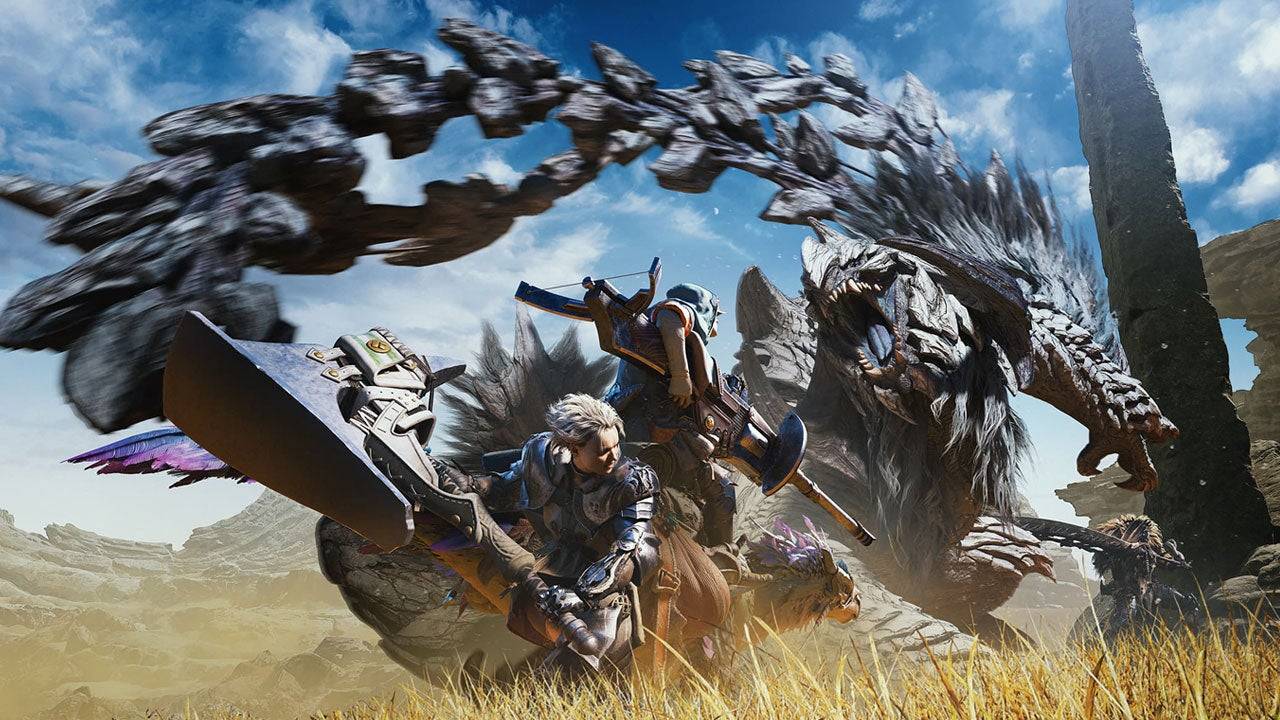
Around the launch of *Street Fighter 5* in 2016, Capcom underwent an internal restructuring to prepare for a new generation of games powered by its RE Engine, replacing the aging MT Framework. This wasn't merely a technological shift; it signaled a commitment to developing games for a truly global audience, not just existing regional fanbases. Hideaki Itsuno, a former Capcom game director known for *Devil May Cry*, explains: "The change of engine, and all teams were given a clear goal to make games reaching the global market. Games that are fun for everyone."
Capcom's earlier PS3 and Xbox 360 era games often seemed to chase Western gaming trends, with mixed results. After several years, they realized the need for broader appeal. Itsuno emphasizes the company's focus: "We had that clear goal of focusing and not holding anything back, towards making good games that would reach people from all over the world."
The period leading up to 2017 proved pivotal. The organizational and engine changes culminated with the release of *Resident Evil 7*, sparking a Capcom renaissance. No series embodies this global success more than *Monster Hunter*. While it had a dedicated Western fanbase, it was significantly larger in Japan. This wasn't intentional; several factors contributed.
The move from PlayStation 2 to PSP with *Monster Hunter Freedom Unite* was crucial. Handheld gaming has always been stronger in Japan, and the PSP's success, coupled with Japan's advanced wireless internet infrastructure, allowed for reliable multiplayer experiences—years ahead of the West. Ryozo Tsujimoto, executive producer of the series, explains: "20 years ago, Japan was in a very solid state in terms of network environments, able to connect and play online. Moving to handheld systems grew the player base interacting and playing multiplayer together."
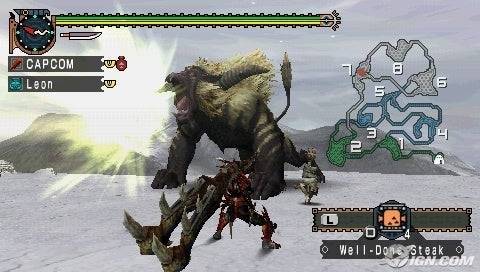
This created a feedback loop. Japanese best-selling titles led to Japan-only content and events, reinforcing the "Japan-only" perception. Western fans watched enviously. However, as Western internet infrastructure improved, Tsujimoto saw an opportunity.
The 2018 release of *Monster Hunter: World* on PlayStation 4, Xbox One, and PC marked a turning point. It offered AAA console-quality action, larger environments, and bigger monsters. Tsujimoto notes: "Our approach to globalization ties into the game's themes and name. 'World' is a nod to appealing to a worldwide audience."
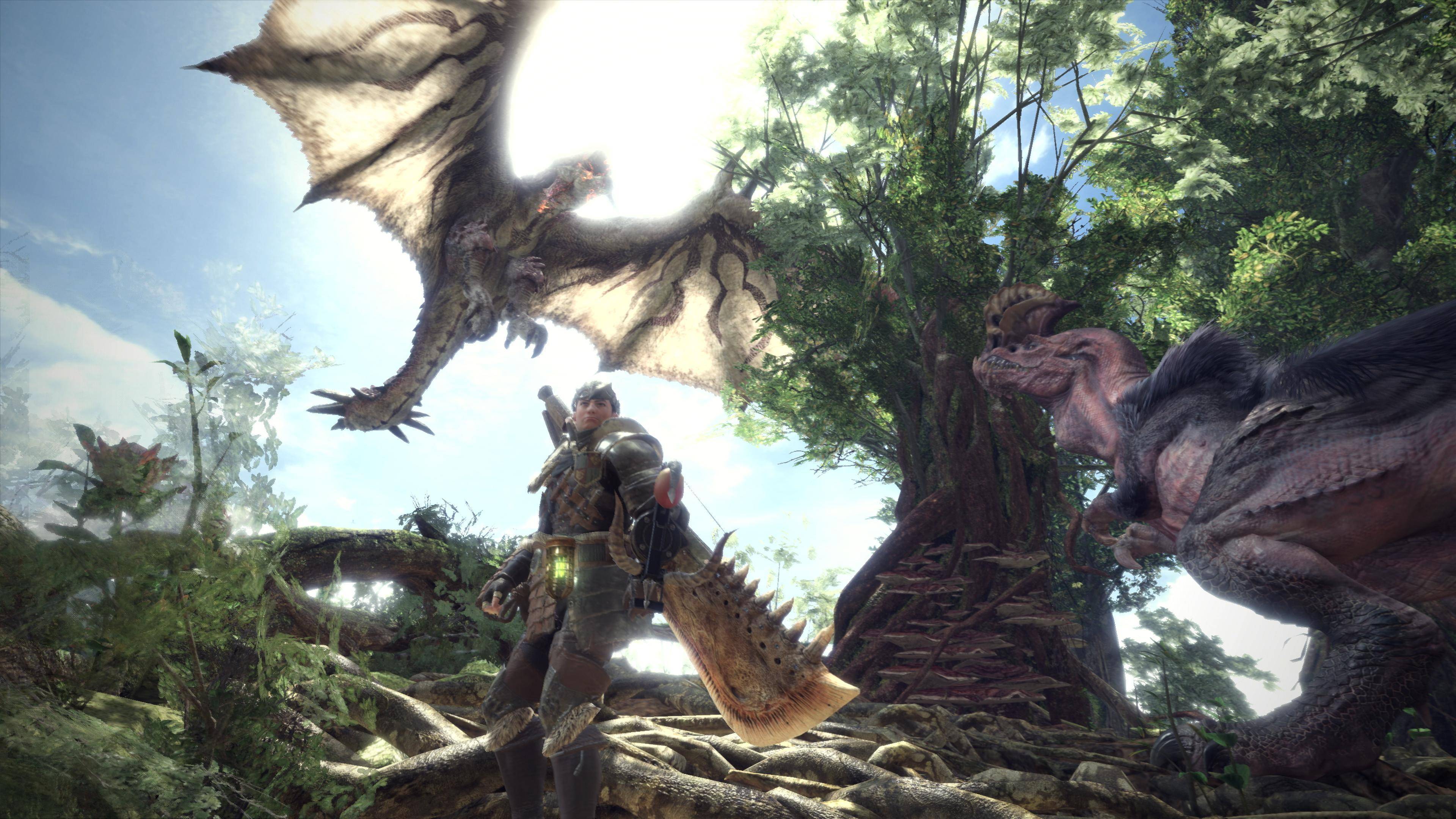
Simultaneous global release and the elimination of Japan-exclusive content were key. Tsujimoto and his team conducted extensive playtests to refine the formula for broader appeal. Tsujimoto explains: "We did focus tests worldwide, and the feedback affected how we designed game systems and our success as a global title."
One key change was displaying damage numbers. These subtle improvements propelled *Monster Hunter* to unprecedented heights. Previous titles sold 1.3 to 5 million copies; *World* and *Rise* surpassed 20 million.
This growth wasn't accidental. Instead of altering *Monster Hunter*'s core, Capcom focused on making its unique aspects more accessible. This approach continues with *Wilds*. Tsujimoto explains: "At its heart, *Monster Hunter* is an action game, and that sense of accomplishment is important. We analyze where players get stuck, what's hard to understand, and use that knowledge to implement new systems into *Wilds*."
Within 35 minutes of release, *Monster Hunter Wilds* reached 738,000 concurrent players on Steam, exceeding *World*'s peak. With positive reviews and promised future content, *Wilds* is poised to surpass even *World* and *Rise*'s achievements, continuing the series' global conquest.