
With the release of Monster Hunter Wilds just a few weeks away, Capcom has provided players with a PC benchmark tool to test their systems' compatibility. In a surprising move, Capcom has also lowered the official PC system requirements, making the game more accessible to a broader range of players.
As revealed during the recent Capcom Spotlight, the PC benchmark for Monster Hunter Wilds is now live on Steam. Upon launching, the tool requires some time to compile shaders, but it's user-friendly and provides a clear indication of your system's performance. It's highly recommended to run this benchmark, especially if you're interested in understanding how the newly adjusted system requirements might impact your gameplay.
Previously, achieving 1080p resolution at 60 frames per second (with Frame Generation enabled) required a robust setup, including an Nvidia GeForce RTX 2070 Super, NVIDIA GeForce RTX 4060, or AMD Radeon RX 6700XT graphics card; an Intel Core i5-11600K, Intel Core i5-12400, AMD Ryzen 5 3600X, or AMD Ryzen 5 5500 CPU; and 16 GB of RAM.
However, on an updated page accompanying the benchmark, Capcom has revised these requirements downward. For those aiming for the Recommended settings, which target 1080p (FHD) at 60 frames per second with Frame Generation enabled, the new specifications are as follows:
- OS: Windows 10 (64-bit required) / Windows 11 (64-bit required)
- Processor: Intel Core i5-10400 / Intel Core i3-12100 / AMD Ryzen 5 3600
- Memory: 16 GB
- Graphics Card (GPU): GeForce RTX 2060 Super / Radeon RX 6600 (8 GB VRAM)
- Storage: 75 GB (SSD required)
These updated requirements suggest that Monster Hunter Wilds should run smoothly at 1080p and 60 frames per second with Frame Generation enabled on a slightly less demanding setup than before.
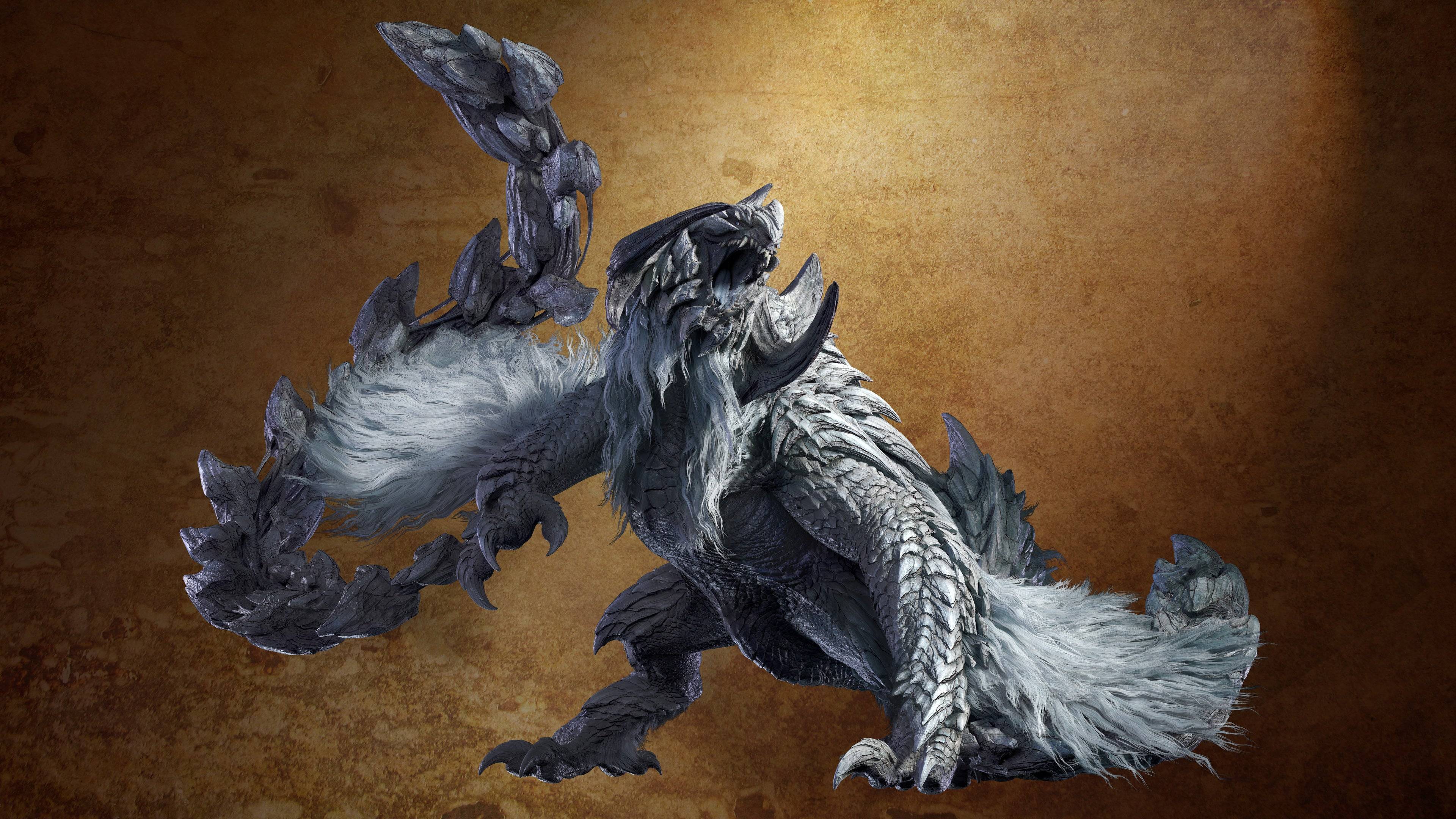
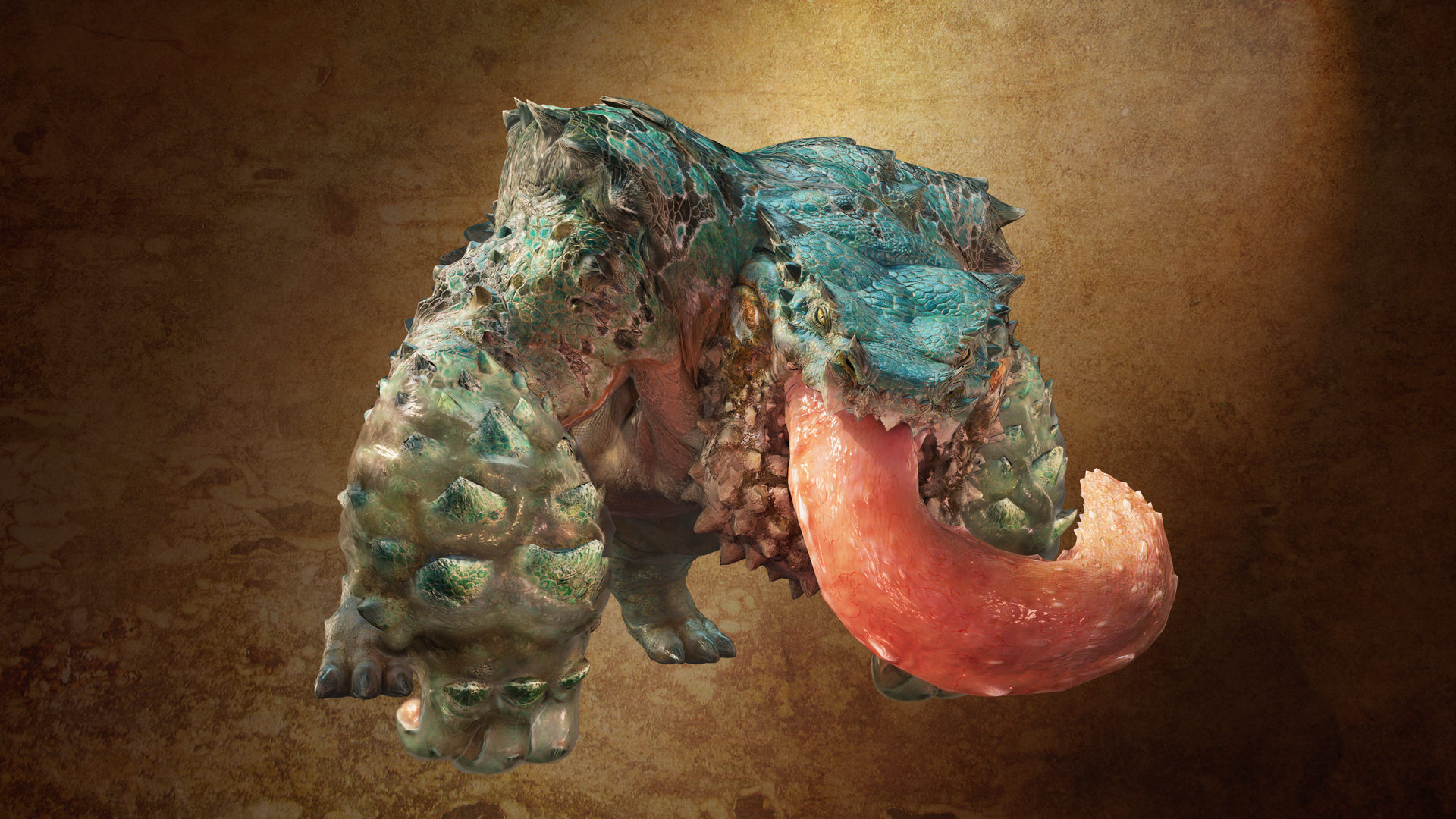
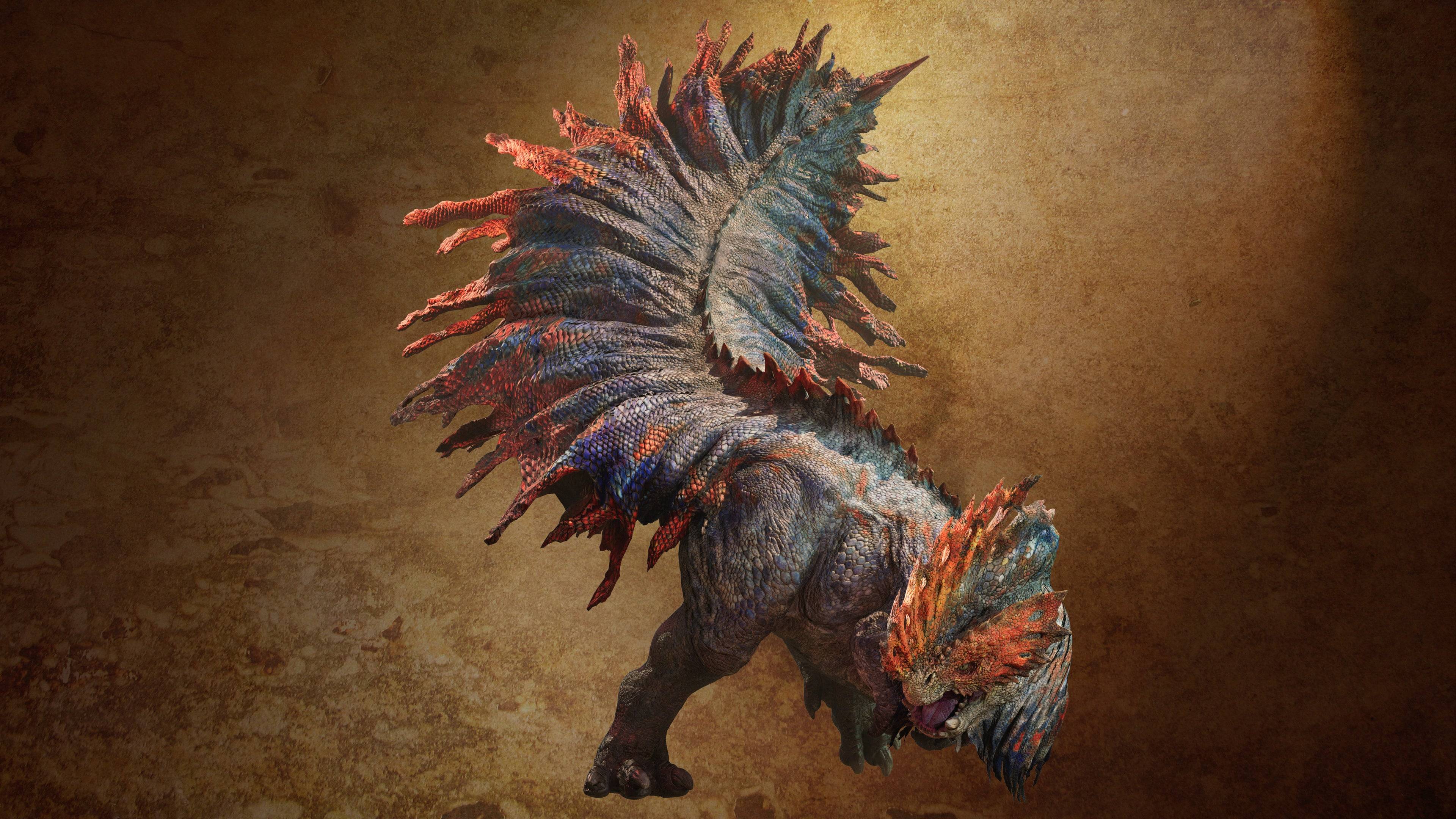
All Monsters in Monster Hunter Wilds
 20 Images



Early user feedback from the benchmark indicates noticeable improvements in performance compared to the beta test, particularly with Frame Generation enabled. However, the Steam Deck remains an unlikely candidate for running the game smoothly, as my own tests on the device yielded less than optimal results.
Another significant change is the reduction in storage requirements. Previously, Monster Hunter Wilds demanded 140 GB of SSD space, but this has now been cut down to 75 GB. Given the trend of increasing file sizes year-over-year, this reduction is quite unexpected.
For more insights into Monster Hunter Wilds, check out our recent IGN First coverage, which includes detailed encounters with formidable creatures such as the apex monster Nu Udra, and our final hands-on impressions of Capcom's latest installment. Monster Hunter Wilds is set to launch on PlayStation 5, Xbox Series X and S, and PC on February 28, 2025.