An indie developer with extensive experience creating games for the original Nintendo Switch has offered compelling reasons why the brief glimpse of Mario Kart 9 hints at a significantly more powerful Nintendo Switch 2. Last week's hardware reveal generated considerable excitement, yet Nintendo remained notably silent regarding the Switch 2's technical capabilities. While upgrades like new Joy-Cons, a redesigned kickstand, and a larger form factor are evident, the console's raw power remains undisclosed.
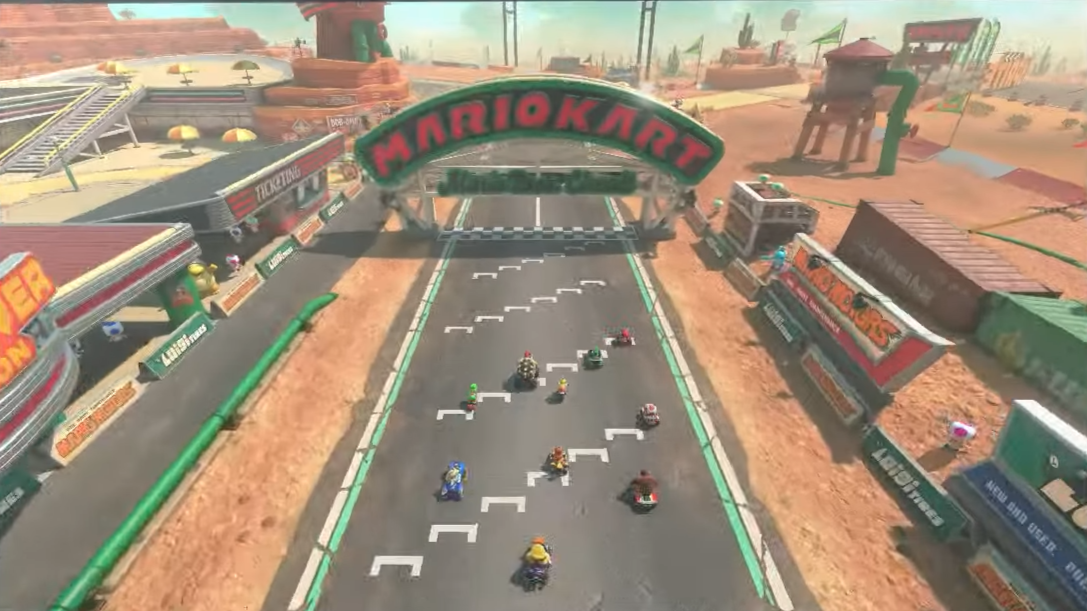
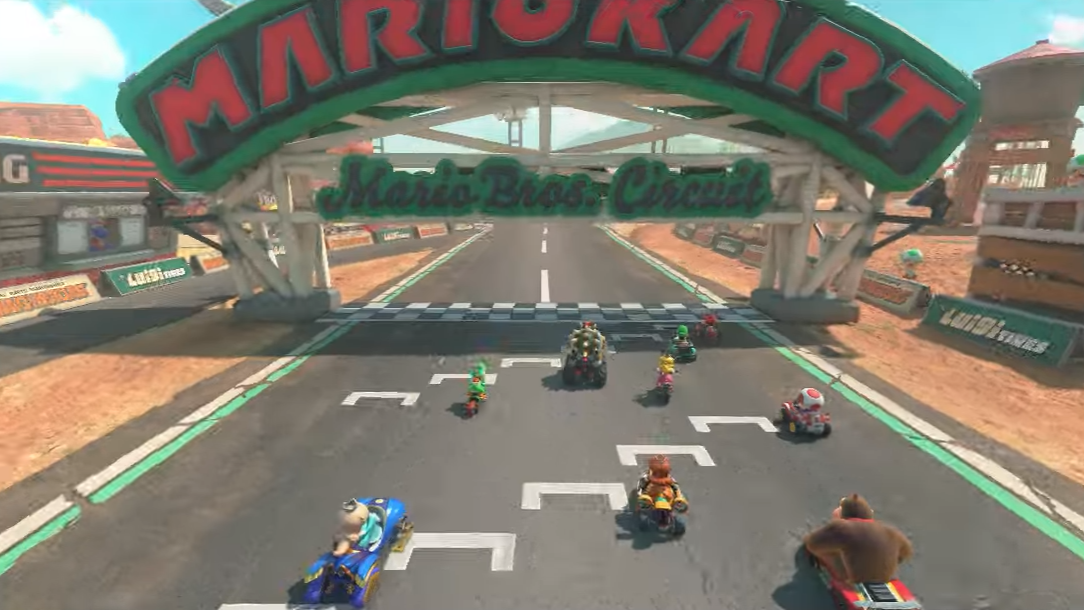
However, the Mario Kart 9 footage in the reveal video may offer clues. In a recent YouTube video (via GamesRadar), indie developer Jerrel Dulay of Sungrand Studios—a veteran credited with working on Wii U and 3DS titles—argues for a substantial power increase.
Mario Kart 9 - First Look
 25 Images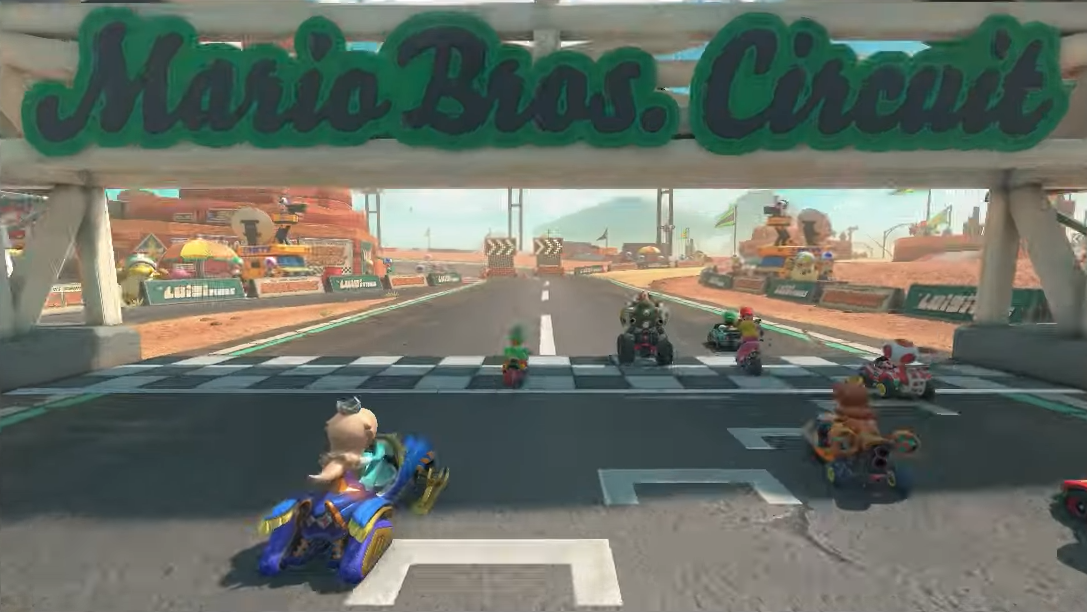
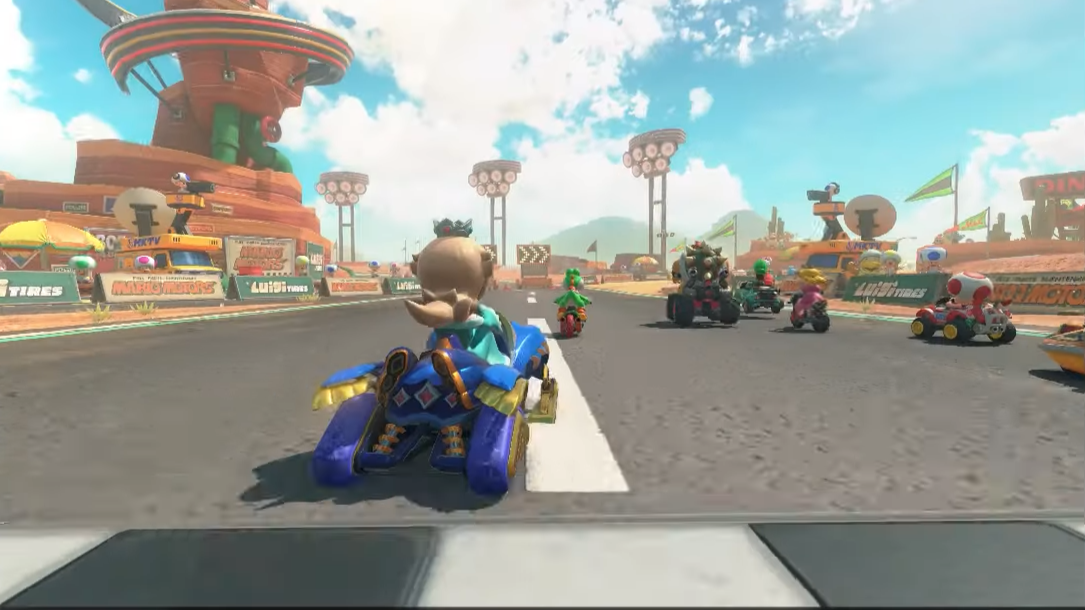
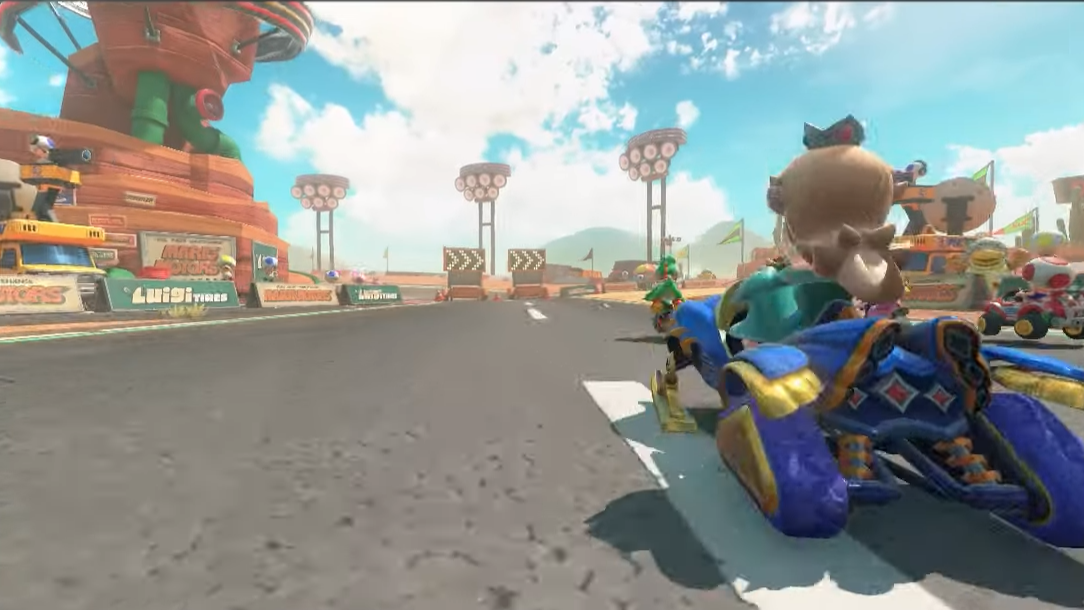
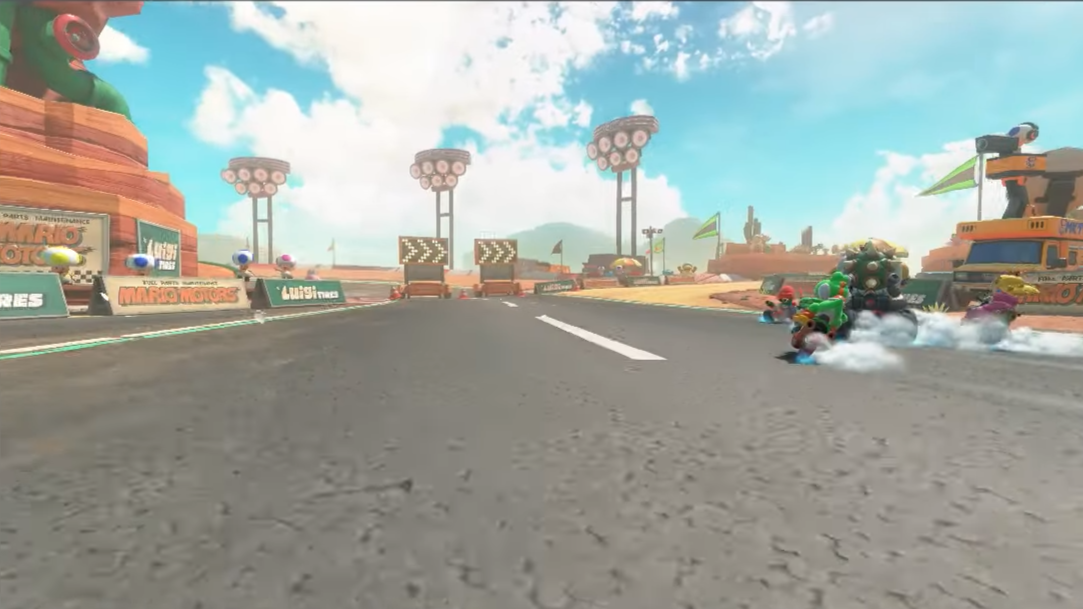
Dulay highlights the use of "physically-based shaders" on the cars and textures. These shaders, affected by lighting and reflections, were computationally demanding on the original Switch, often impacting frame rates. The Mario Kart 9 footage, however, showcases these shaders extensively, along with detailed material reflections.
Digital Foundry's late 2023 report (and subsequent Switch 2 motherboard leaks) suggested the inclusion of an Nvidia T239 ARM mobile chip with approximately 1536 CUDA cores—a significant leap from the original Switch's Tegra X1 chip with only 256. This represents a 500% increase in CUDA core count alone.
Dulay emphasizes the high-resolution ground textures, noting their memory requirements. The rumored 12GB of RAM in the Switch 2 (compared to the original's 4GB) and the potential for significantly faster RAM speeds (up to 7500MHz compared to the original's 1600MHz) directly address this. The increased bandwidth allows for faster texture loading and the use of numerous unique, high-resolution textures.
Furthermore, Dulay points to the presence of "true volumetric lighting"—a feature notoriously taxing on GPUs—and far-distance shadows, both computationally expensive elements previously limited on the original Switch. The ability to render these effects smoothly suggests a considerable power boost.
The combination of high-resolution textures, numerous polygons in character models, real-time cloth physics, and advanced lighting effects all point towards a significant leap in processing power. The Switch 2's performance in handling these features simultaneously strongly suggests a substantial increase in graphical capabilities compared to its predecessor.
While we await further details and footage in April's Nintendo Direct, Dulay's analysis provides valuable insight into the anticipated graphical power of the Nintendo Switch 2. Stay tuned for more coverage from IGN.
AnswerSee Results