Visions of Mana Director Ryosuke Yoshida Moves from NetEase to Square Enix
Ryosuke Yoshida, director of Visions of Mana and a former Capcom game designer, has made a significant career move, leaving NetEase to join Square Enix. This news, announced on his Twitter (X) account on December 2nd, has generated considerable interest within the gaming industry.
Yoshida's Future at Square Enix Remains Unclear
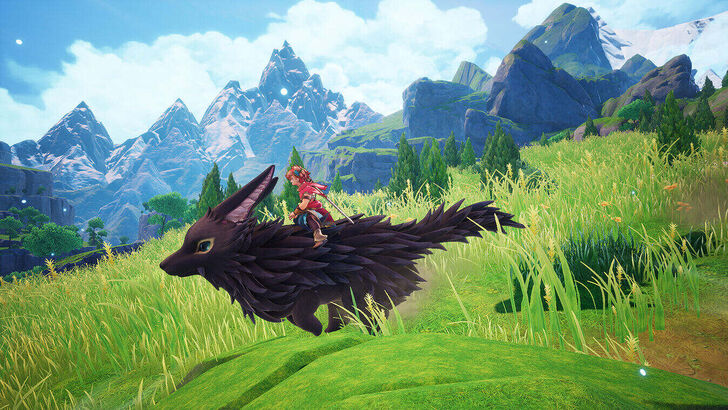
Details surrounding Yoshida's departure from Ouka Studios, a NetEase subsidiary, remain scarce. He was a key figure in the development of Visions of Mana, collaborating with talent from Capcom and Bandai Namco to deliver a visually impressive and successful title released on August 30, 2024. While his move to Square Enix in December is confirmed, his specific role and upcoming projects are yet to be revealed.
NetEase's Shifting Focus Away from Japanese Investments
Yoshida's departure aligns with reports of NetEase scaling back its investments in Japanese studios. A Bloomberg article from August 30th indicated that both NetEase and Tencent are reassessing their strategies in Japan after a period of investment. This shift has impacted Ouka Studios, resulting in workforce reductions at their Tokyo office.
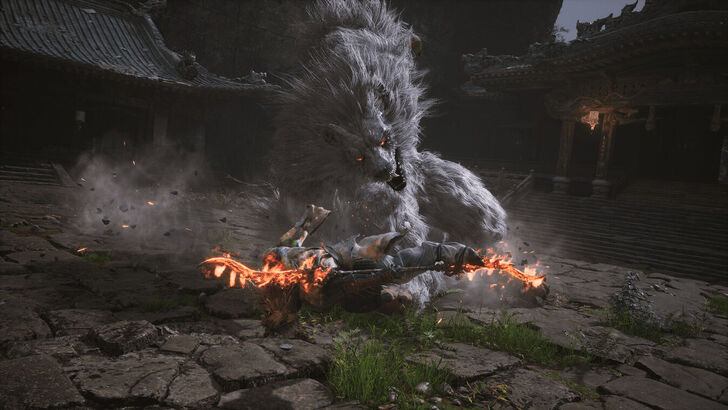
The companies' strategic repositioning is driven by the resurgence of the Chinese gaming market and the need to reallocate resources. The success of Black Myth: Wukong, which garnered accolades including Best Visual Design and Ultimate Game of the Year at the 2024 Golden Joystick Awards, highlights this renewed focus on the domestic market.
In 2020, NetEase and Tencent made significant investments in the Japanese gaming market, a move prompted by the then-stagnant Chinese gaming landscape. However, differences in approach between these larger companies and smaller Japanese developers seem to have emerged. While NetEase and Tencent prioritized global market expansion for acquired franchises, Japanese developers often focused on maintaining control over their intellectual properties (IPs).
Although NetEase and Tencent aren't completely withdrawing from Japan, given their existing relationships with companies like Capcom and Bandai Namco, their current strategy reflects a more conservative approach, minimizing losses and preparing for the growth anticipated within the Chinese market.