Following a change of heart, Quentin Tarantino has canceled his eleventh film, The Movie Critic, leaving us to ponder what his next (and likely final) movie will be. While we eagerly await his next move, it's the perfect opportunity to embark on a Tarantino-athon. Below, we've ranked each of the 10 feature-length films that the acclaimed director has helmed. Please note that we're focusing on feature-length films, so segments he directed for Sin City and Four Rooms are not included.
We firmly believe that Tarantino hasn't produced a truly bad film yet; some are just less stellar than his best. Keep this in mind as you explore the following list. Even the least favored of Tarantino's works often surpasses the best of many other filmmakers.
Here is our ranking of the best Quentin Tarantino films. Feel free to share your thoughts and how you would rank them in the comments section below!
Ranking the Movies of Quentin Tarantino
 11 Images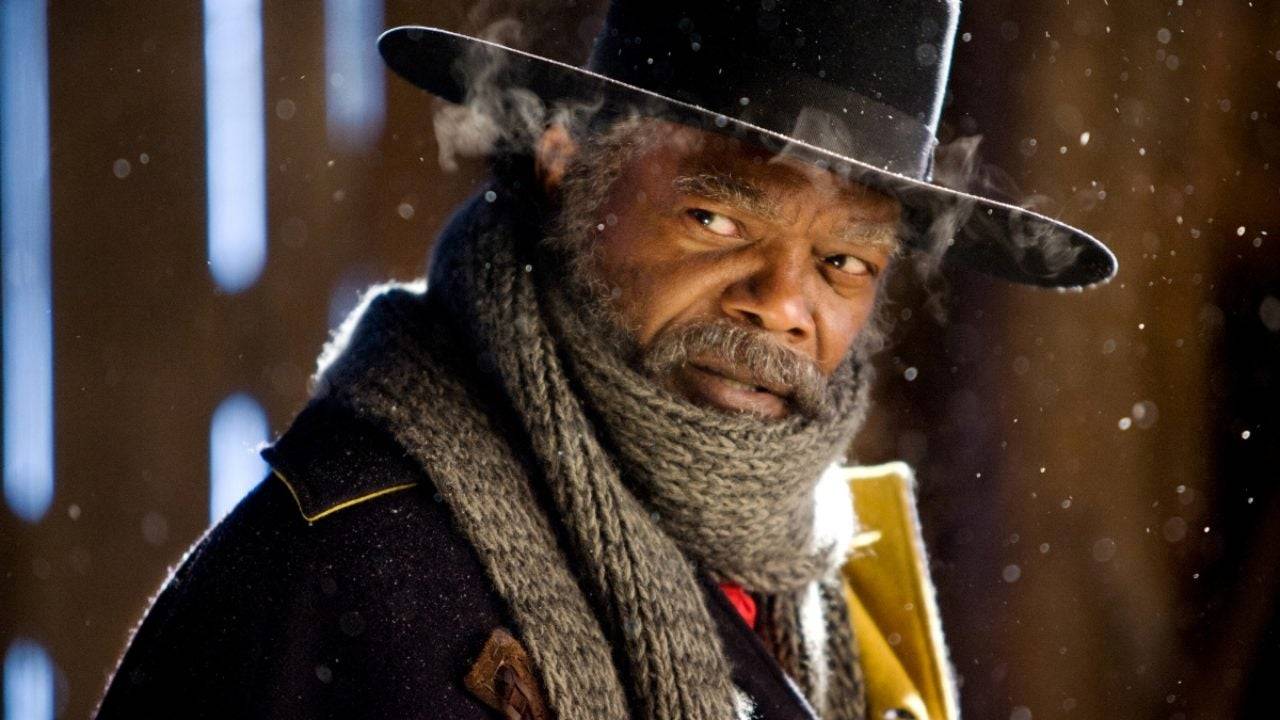
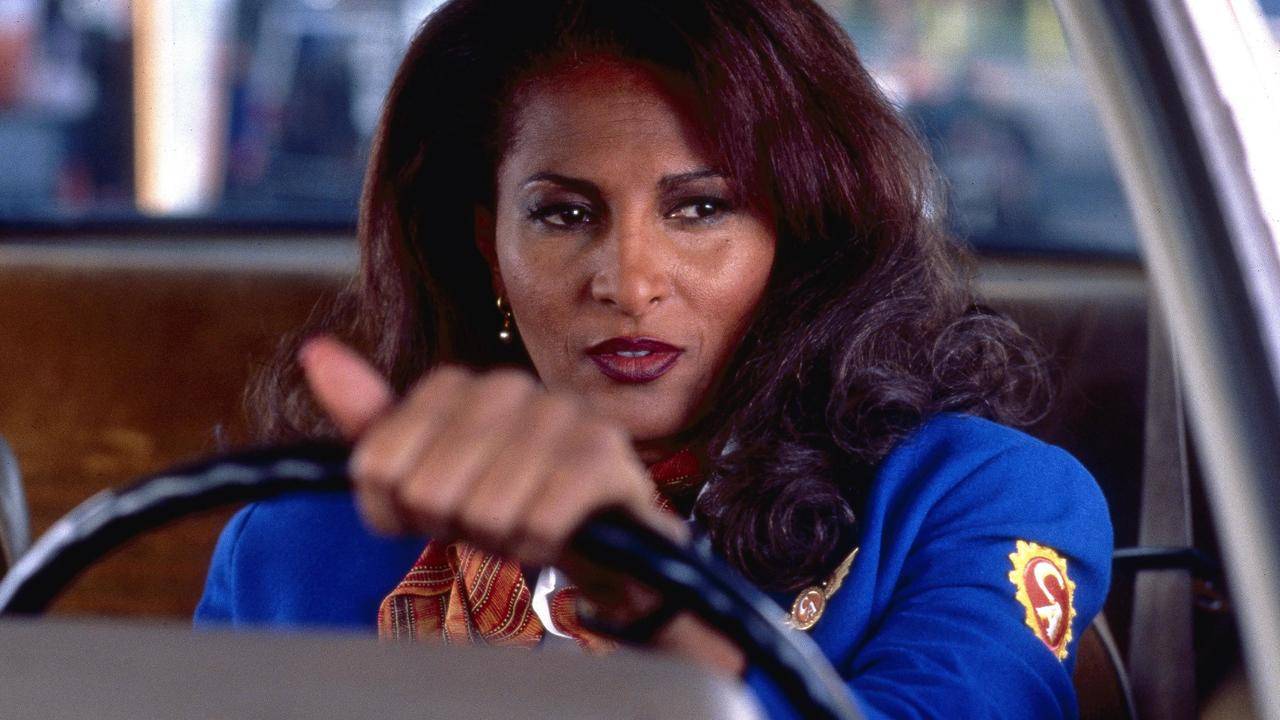
10. Death Proof (2007)
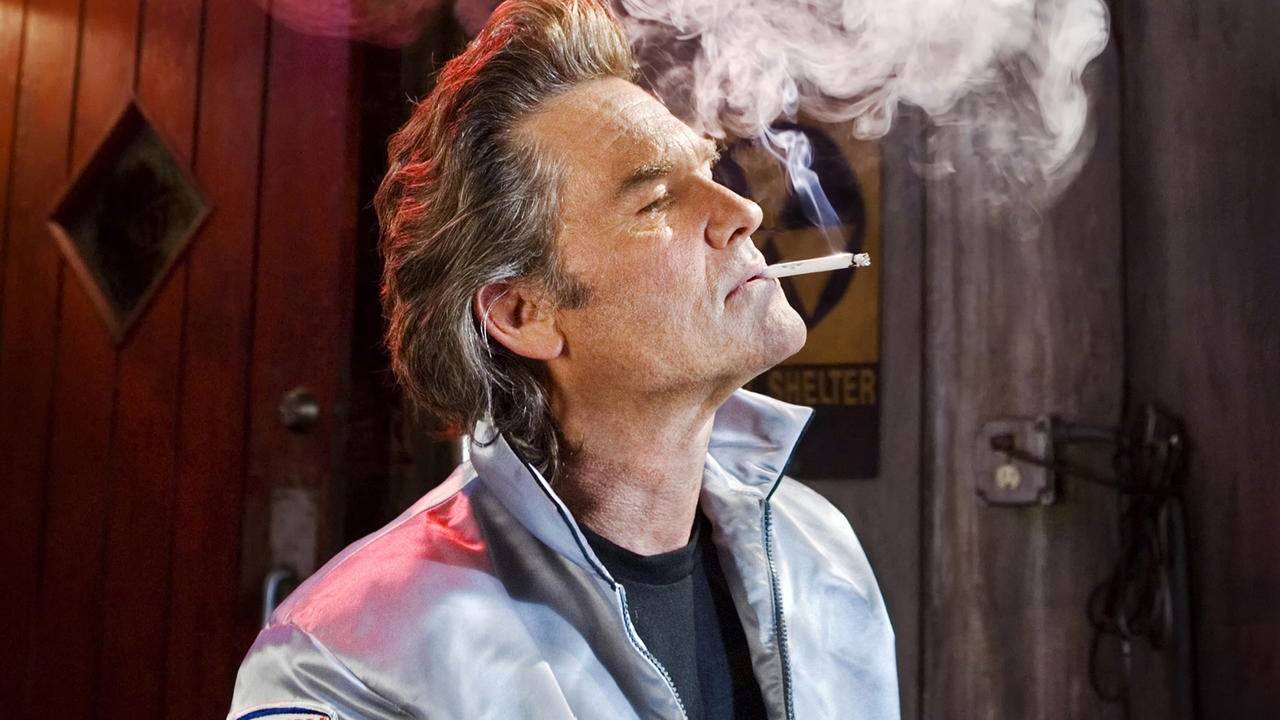
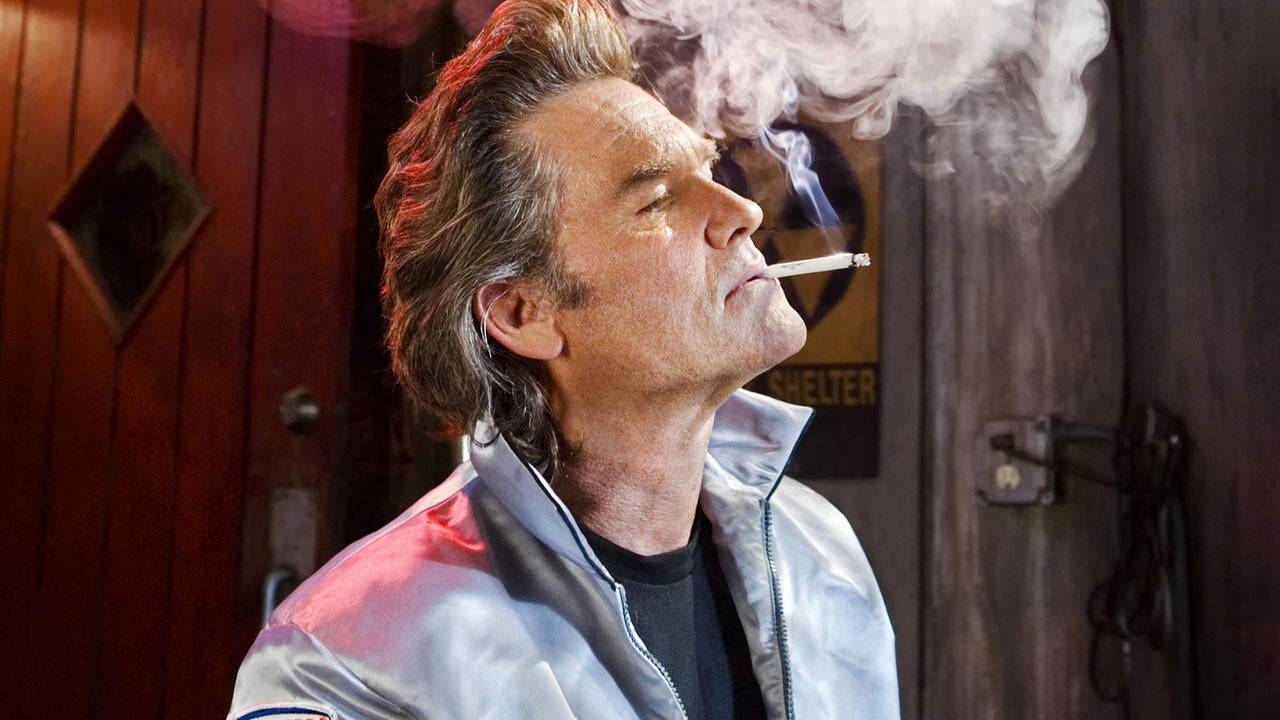
Let's address the elephant in the room: Death Proof may not be as entertaining as Planet Terror, but it stands as the smartest homage to B-movies ever crafted. This film feels like the work of a supremely talented and audacious filmmaker collaborating with friends over a series of weekends, albeit with significant financial backing and a razor-sharp script.
The story of Stuntman Mike targeting beautiful, chatty women with his death-proofed car is a thrilling ride that revitalizes Kurt Russell's career and compels us to sit through nearly 40 minutes of dialogue before the action kicks in. While the movie is polarizing by nature (unless you're a Cannes regular), it doesn't reach the heights of Pulp Fiction. However, its lack of studio interference makes it a rare and essential watch in today's studio-dominated landscape. Even if you're not into smart-mouthed women talking fast, the climactic chase fueled by revenge and sheer excitement should win over the most skeptical viewers.
9. The Hateful Eight (2015)
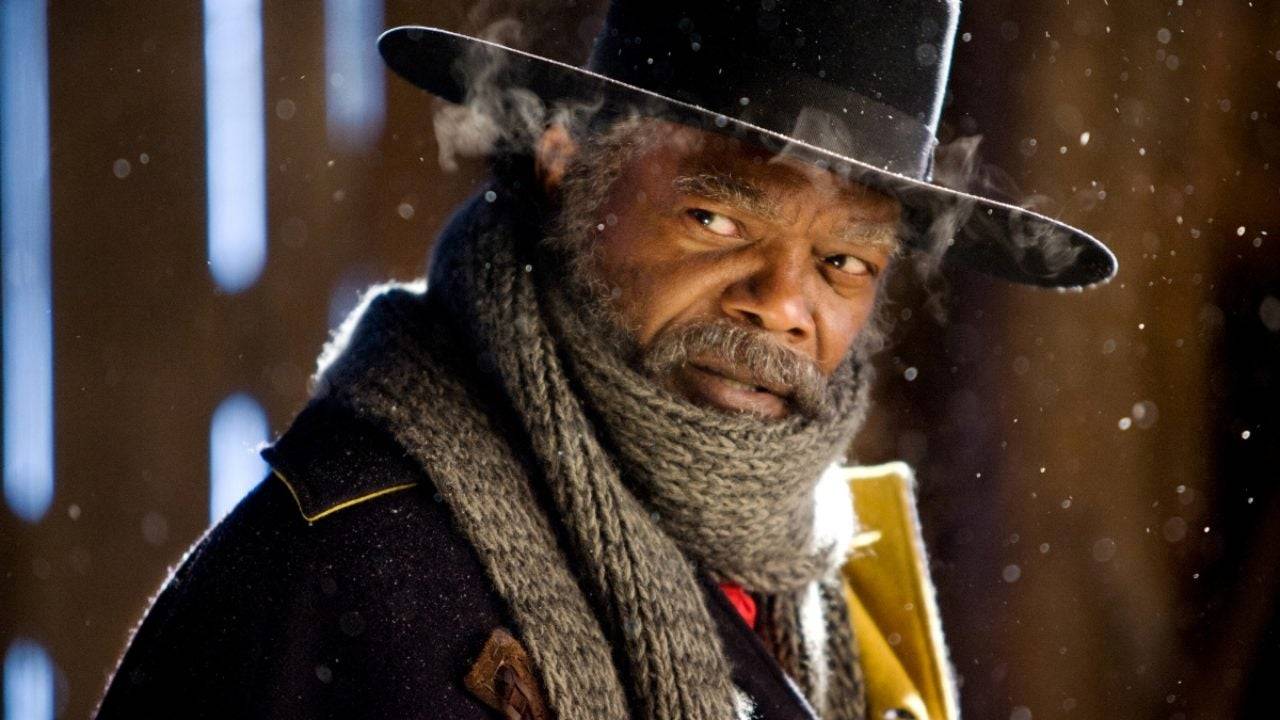
With its vicious humor and intense narrative, The Hateful Eight delves into the brutal realities of race relations and human nature while showcasing the violence and grit of the Wild West. This film blends the western and mystery genres with a touch of gallows humor, offering both a profound character study and a tribute to the grandeur of old-school 70mm filmmaking.
Set in the post-Civil War era, The Hateful Eight explores themes that resonate with contemporary issues, making it arguably Tarantino's most nuanced and mature story to date. Though Tarantino indulges in the material, fans might notice some familiar elements from his previous works, particularly Reservoir Dogs. This familiarity can sometimes foreshadow plot twists, diminishing some of the surprises. Nevertheless, these minor criticisms are overshadowed by the film's compelling narrative.
8. Inglourious Basterds (2009)
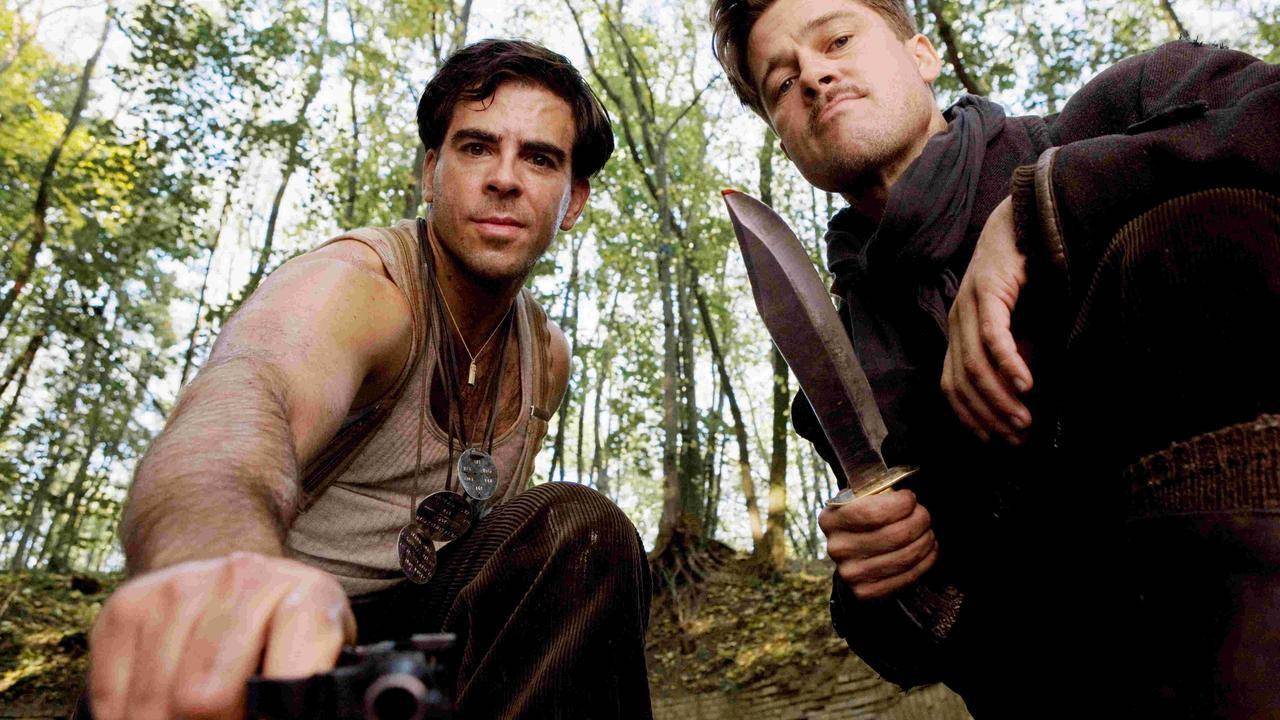
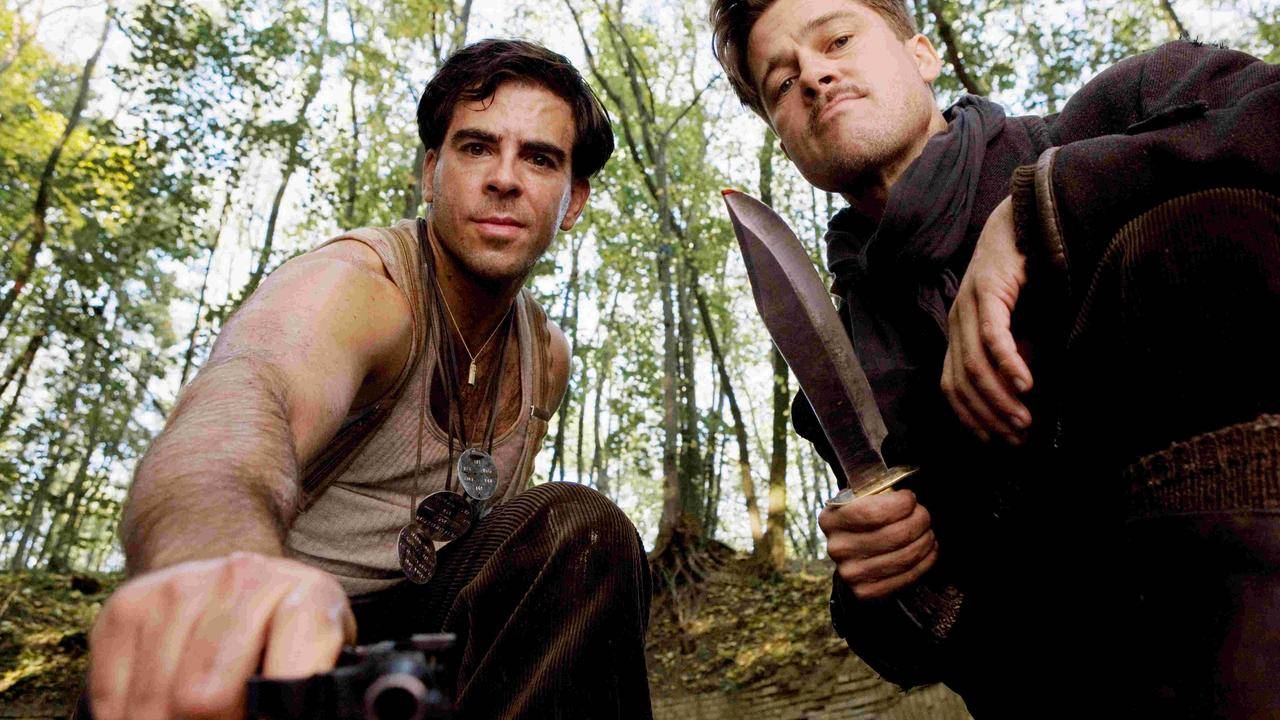
Tarantino's self-described homage to The Dirty Dozen, Inglourious Basterds is more of a theatrical experience than a cohesive film, resembling four brief plays and a short film. It's his most theatrical work since Reservoir Dogs. Each section boasts exceptional performances and Tarantino's signature dialogue-as-suspense. However, the film's structure—long conversations punctuated by brief bursts of action—can be overwhelming.
Christoph Waltz's Oscar-winning performance as Colonel Hans Landa is one of Tarantino's most memorable villains—charming, brutal, and cowardly. Brad Pitt's portrayal of Lt. Aldo Raine adds depth to a potentially one-dimensional character. Despite its strong components, Inglourious Basterds struggles to coalesce into a unified whole, though each part is expertly crafted.
7. Kill Bill: Volume 2 (2004)
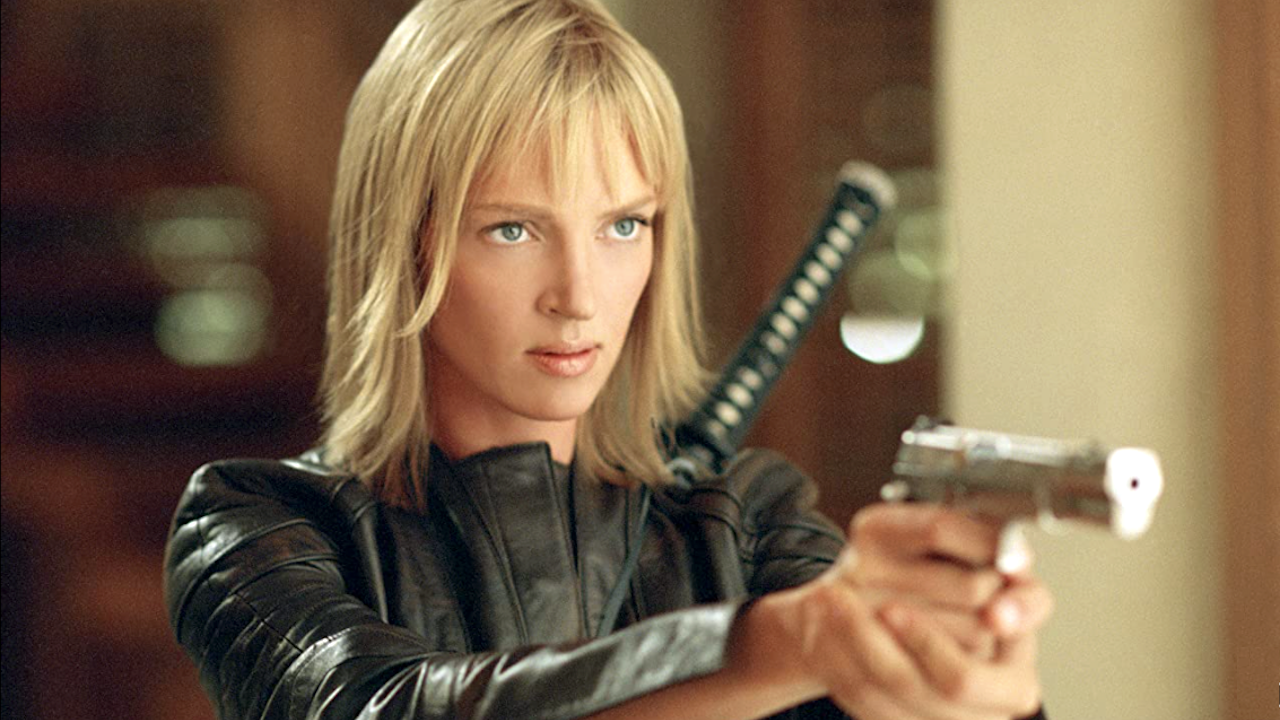
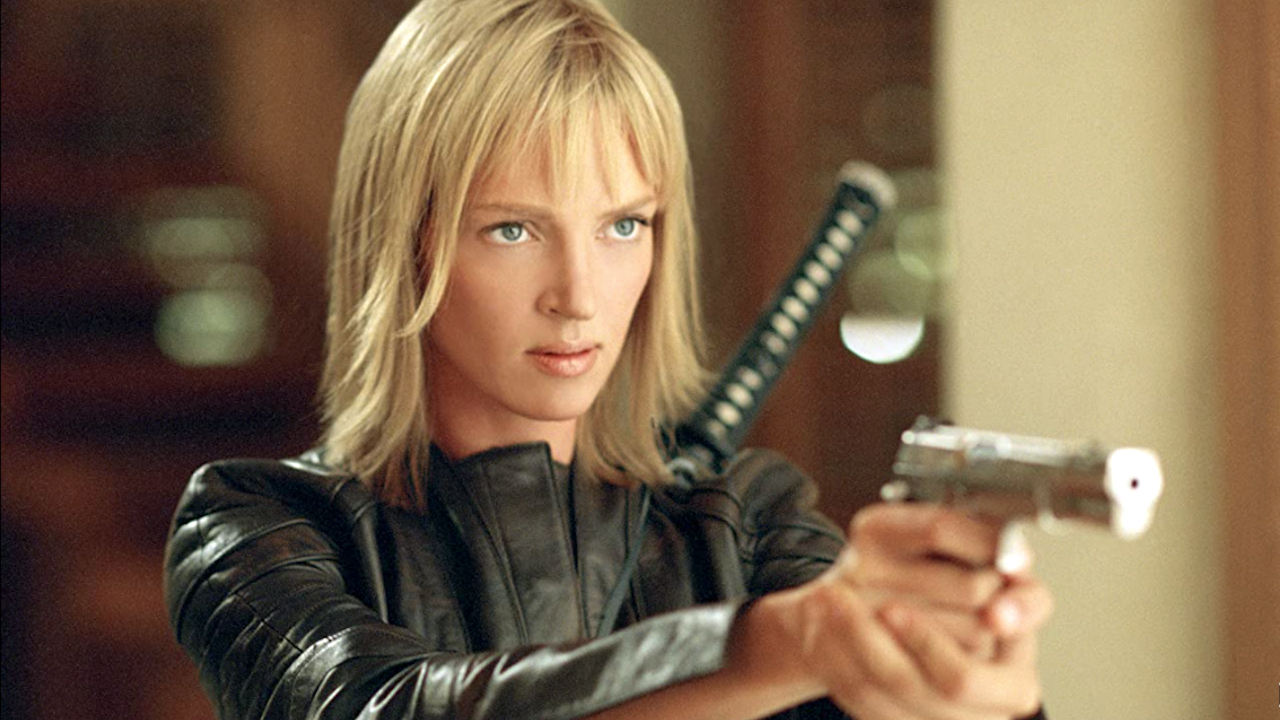
Kill Bill: Volume 2 follows The Bride (Uma Thurman) as she seeks to eliminate the last three members of her revenge list: Elle Driver (Daryl Hannah), Budd (Michael Madsen), and Bill (David Carradine). Tarantino promised that Volume 2 would emphasize dialogue and character development over action, and it certainly delivers. This installment might be Tarantino's most dialogue-heavy film, showcasing Thurman's versatility as she navigates a wide emotional range.
The film delves deeper into The Bride's backstory, providing context and motivations that enrich the narrative. The confrontation between The Bride and Elle Driver in Budd's trailer is a masterclass in violent beauty. You'll discover how Elle lost her eye and experience a satisfying resolution that rivals any cinematic retribution.
6. Jackie Brown (1997)
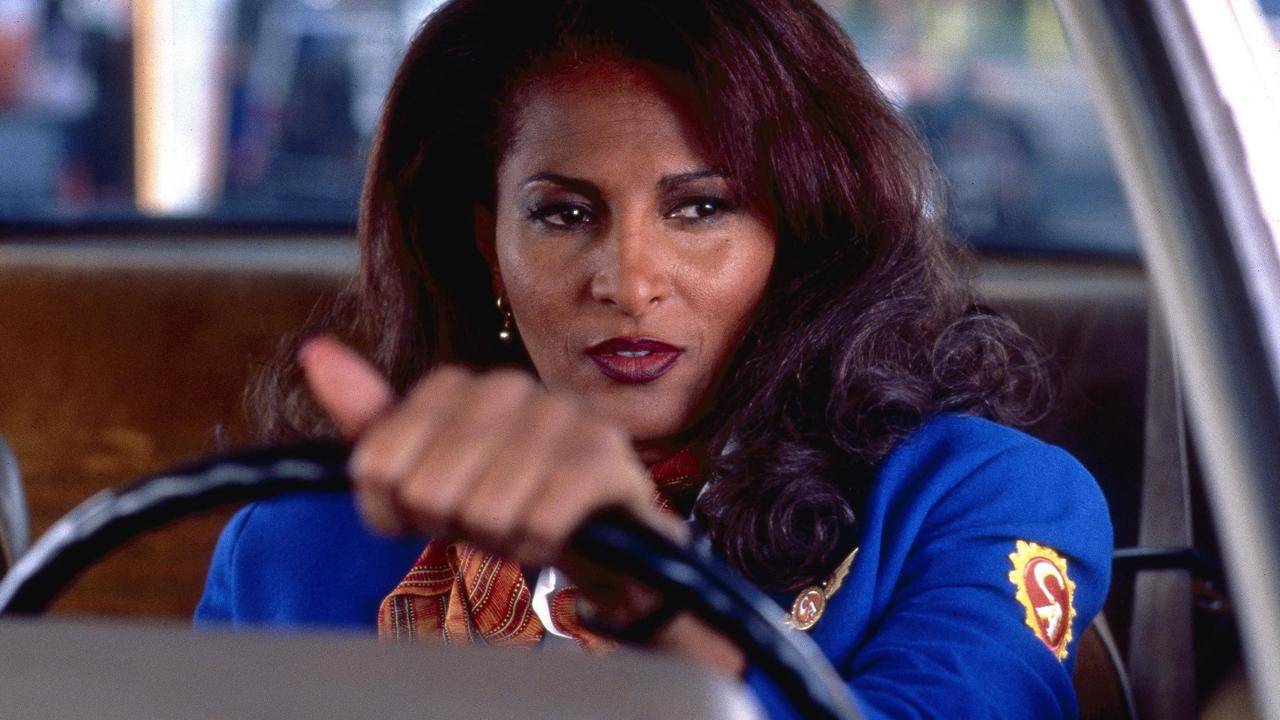
Upon its release in 1997, Jackie Brown received positive feedback but was also seen as a stumble following the groundbreaking Pulp Fiction. As Tarantino's only adaptation, based on Elmore Leonard's Rum Punch, it pushed him out of his comfort zone, despite Leonard's influence on his work.
In recent years, however, Jackie Brown has been reevaluated as one of Tarantino's strongest and more restrained character-driven films. The plot follows Pam Grier's titular character as she navigates a complex web involving Samuel L. Jackson's gun runner, Robert Forster's sympathetic bail bondsman, and Michael Keaton's no-nonsense ATF agent. The dense yet accessible plot, combined with the joy of seeing actors like De Niro and Keaton thrive in Tarantino's universe, makes for a compelling watch.
5. Django Unchained (2012)
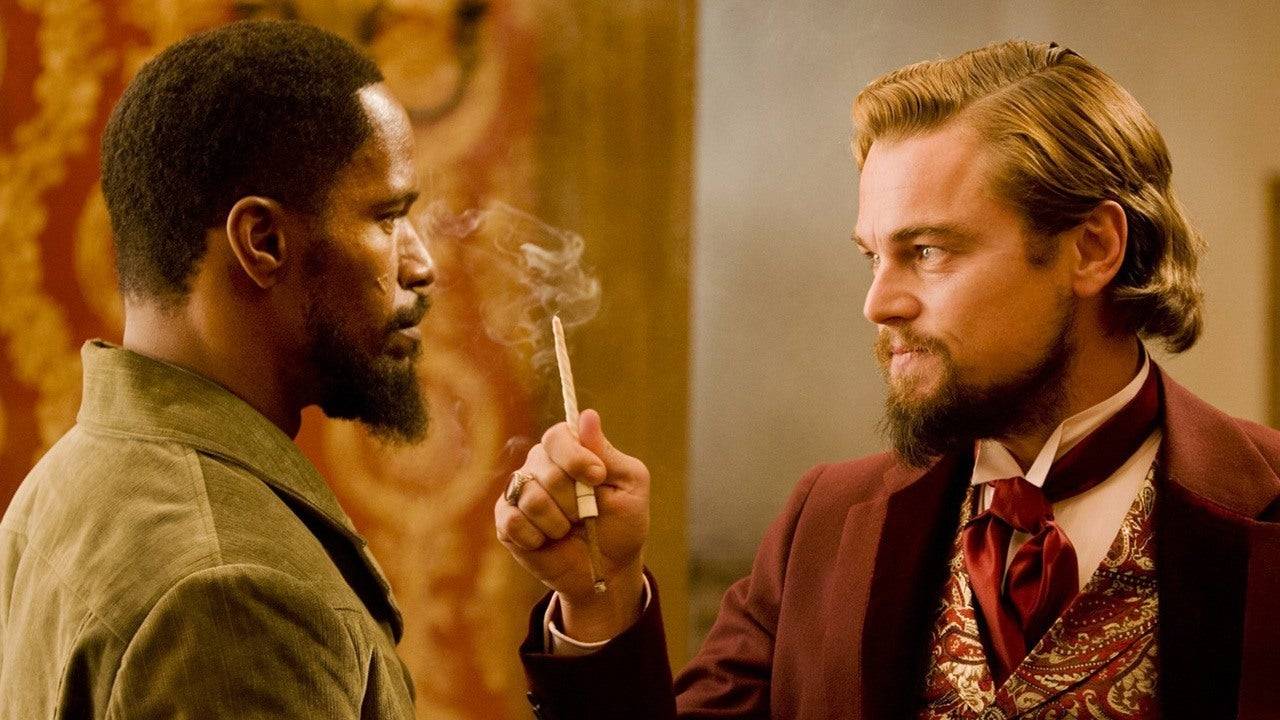
Tarantino doesn't shy away from the brutal realities of slavery in Django Unchained, yet he crafts a wild, bloody, and entertaining crowd-pleaser in this homage to spaghetti westerns. The film is designed to entertain and succeeds brilliantly, offering ample moments of over-the-top violence and humor.
What stands out is how Tarantino balances the film's tone, seamlessly shifting between absurd comedy and harrowing depictions of antebellum South life. The pervasive racism is both shocking and historically accurate. Despite the somber themes, Django Unchained remains a highly enjoyable and essential viewing experience.
4. Once Upon a Time...in Hollywood (2019)
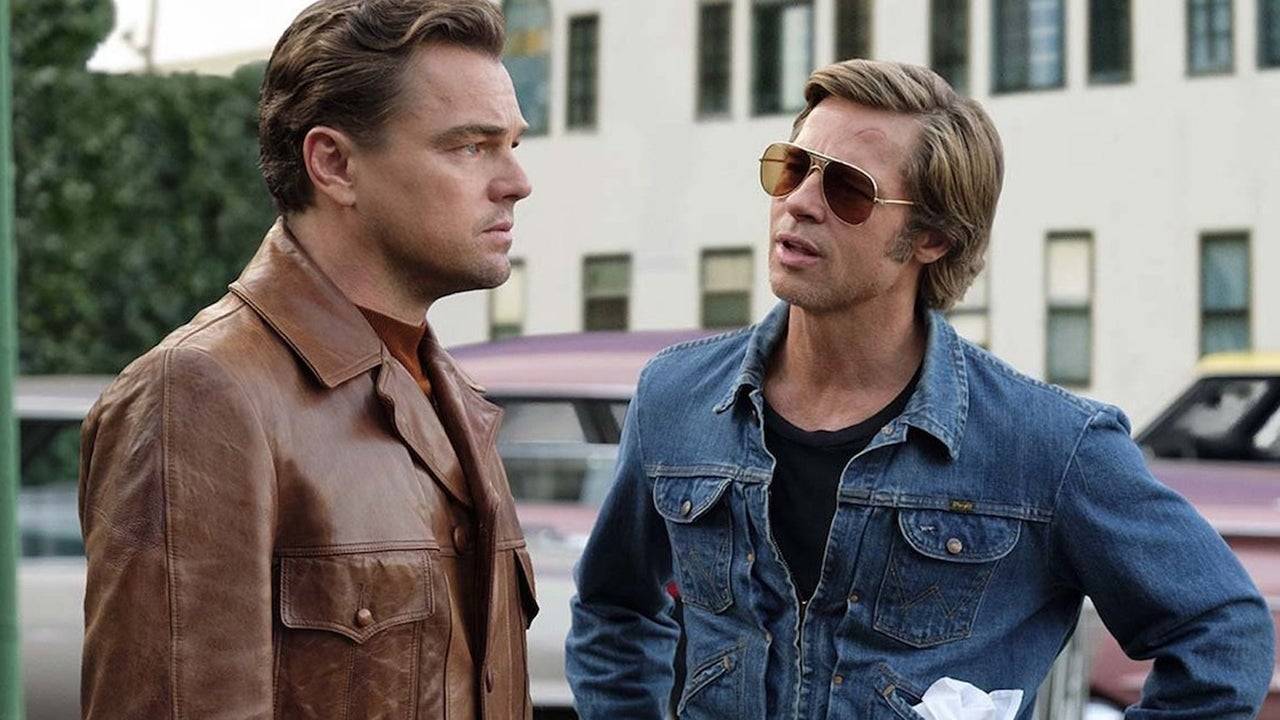
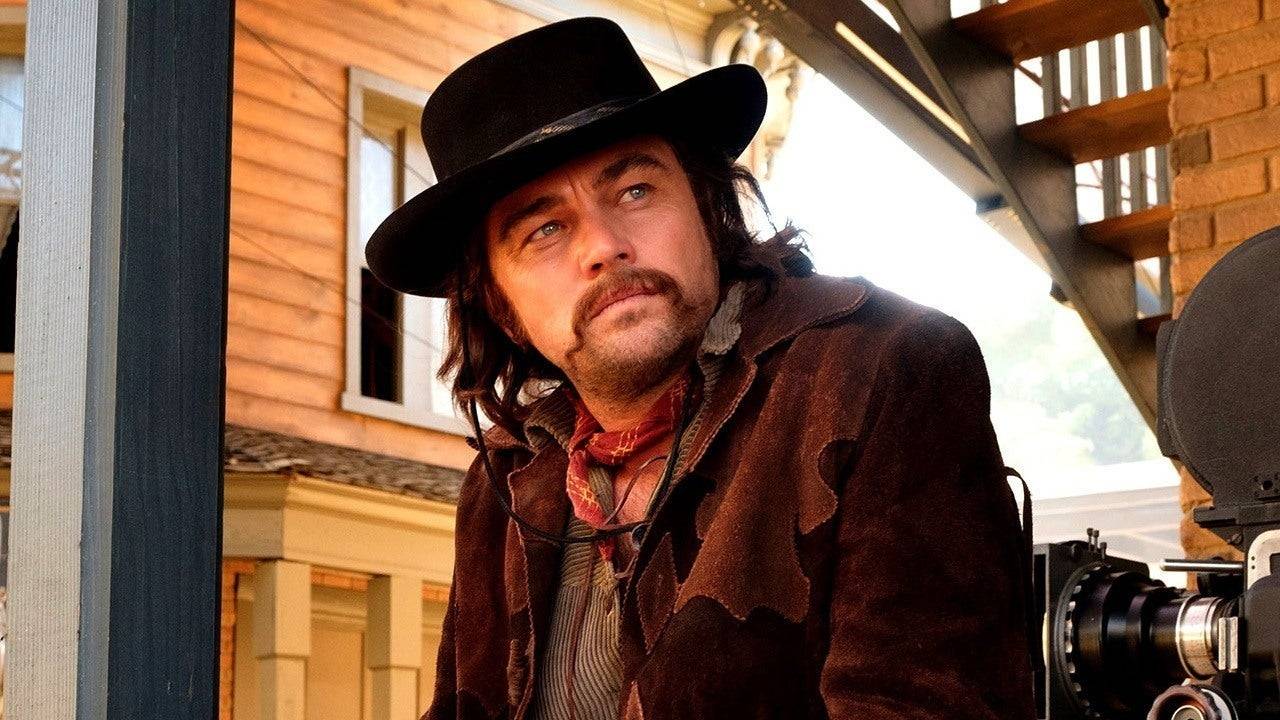
Tarantino's most recent film, Once Upon a Time...in Hollywood, is not only one of his finest but also his second major alternate history project, following Inglourious Basterds. While delivering a crowd-pleasing "what if" scenario, the film explores deeper emotional themes without abandoning Tarantino's trademark ultra-violence.
Set in 1969, the story follows an aging actor and his loyal stunt double as they navigate the changing film industry while inadvertently crossing paths with the Manson Family. With stellar performances from Leonardo DiCaprio, Brad Pitt (who won an Oscar for his role), and Margot Robbie as Sharon Tate, the film serves as a nostalgic time capsule. It features exceptional acting, iconic music, and intense moments that captivate audiences.
3. Reservoir Dogs (1992)
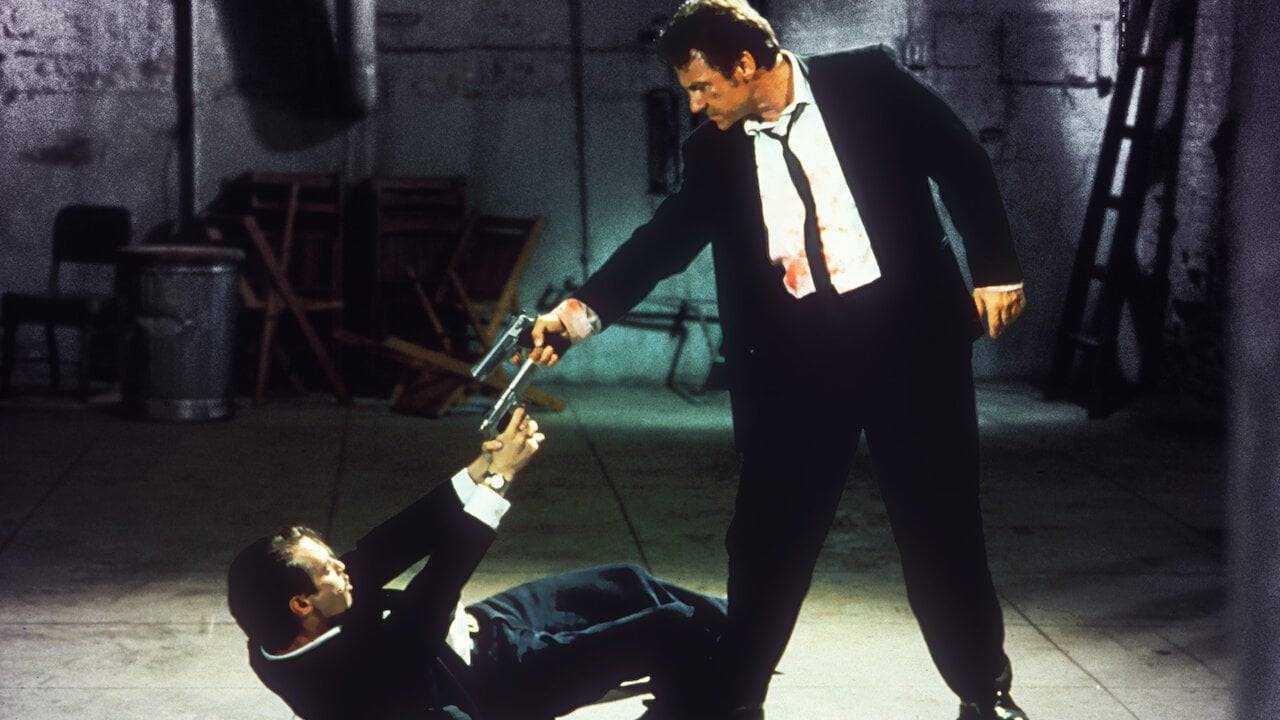
As Tarantino's shortest film, Reservoir Dogs is also his most tightly knit. Every digression into pop culture is matched with essential plot development or character building, and the film moves at a breakneck pace. Tim Roth, Steve Buscemi, and Michael Madsen deliver breakout performances, while seasoned actors like Lawrence Tierney and Harvey Keitel elevate the material to poetic heights.
Tarantino's economical yet inventive directing transforms a largely single-location story into a cinematic epic. This film not only redefined crime cinema but also influenced filmmaking at large. Many have tried to emulate Tarantino's postmodern style, but none have matched his mastery. In just 100 minutes, Reservoir Dogs became an instant classic, cementing Tarantino's reputation and defining a generation of filmmakers.
2. Kill Bill: Volume 1 (2003)
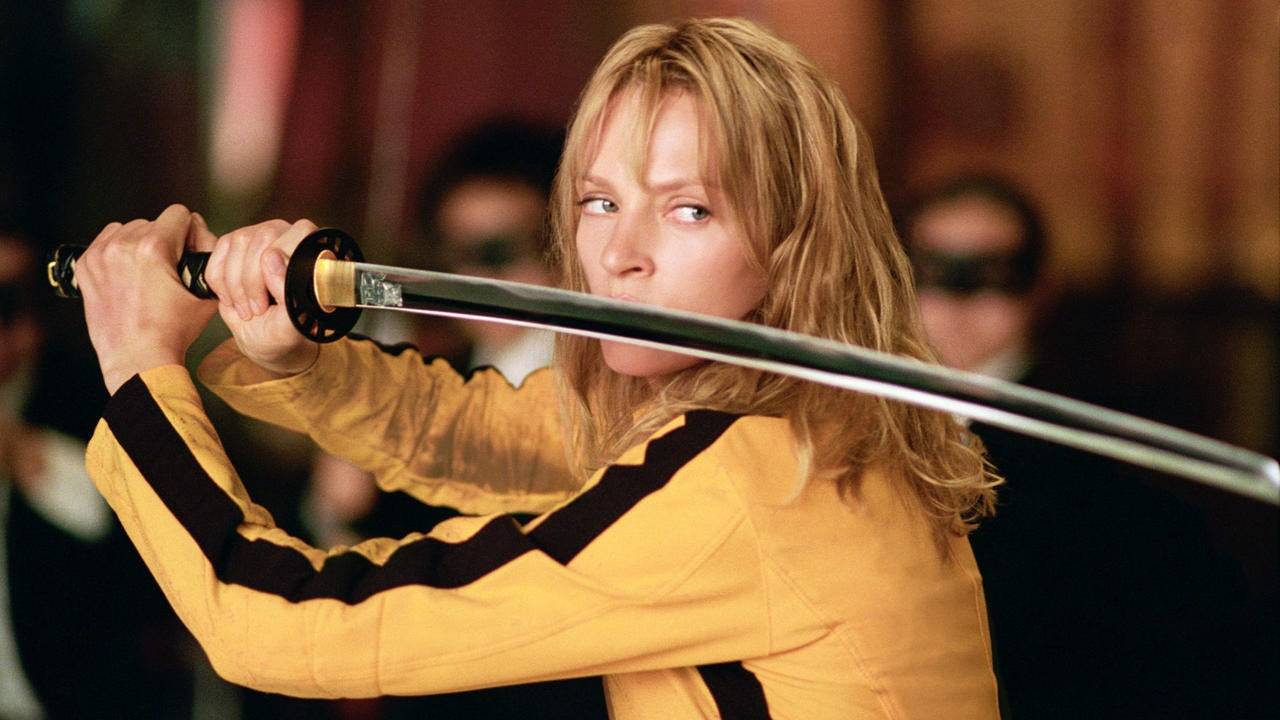
Tarantino's two-part homage to The Bride Wore Black centers on The Bride (Uma Thurman), who seeks vengeance after being left for dead by her ex-lover Bill (David Carradine) and their former associates. After awakening from a four-year coma, The Bride embarks on a globe-trotting quest for bloody retribution.
Kill Bill: Volume 1 is a blood-soaked spectacle. The casting is impeccable, with Uma Thurman's portrayal of The Bride earning special praise. She effortlessly delivers Tarantino's dialogue, creating memorable lines that resonate with film enthusiasts. As the film shifts to action, Thurman transitions seamlessly into a formidable action hero.
1. Pulp Fiction (1994)
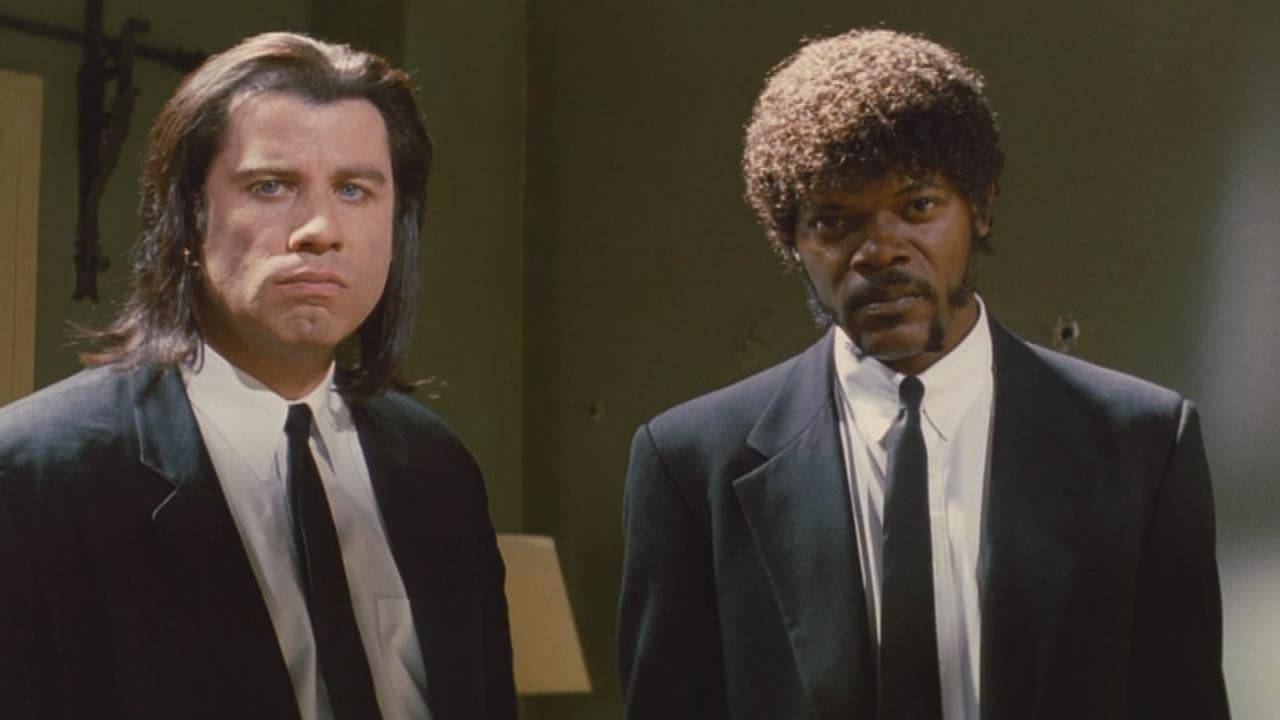
In 1995, Pulp Fiction and Forrest Gump vied for the Best Picture Oscar, with Gump ultimately winning. Many felt that the Academy should have chosen Pulp Fiction, a film that has had a lasting impact on pop culture. This non-linear epic is cinematic rock and roll, driven by Tarantino's fanzine-like taste and his knack for crafting instantly quotable dialogue.
The film features guns, a Bible-quoting hitman, his morally ambiguous partner, leather-clad gimps, hidden watches, and iconic five-dollar milkshakes. As a director, Tarantino solidified his status with his innovative direction and use of source music to enhance the narrative. Pulp Fiction not only changed the way movies were made but also redefined our expectations of cinema. Not a bad feat for a second film.
The Best Quentin Tarantino Movies
And there you have it—our ranking of the best Quentin Tarantino movies. Do you agree with our list, or would you rank them differently? Share your thoughts in the comments or create your own Tarantino tier list using the tool provided above.