The Silent Hill series distinguishes itself from other survival horror games by delving deeply into the psychological realm, using the town's supernatural influence to materialize personal fears and traumas. This unique focus on the inner psyche sets it apart, offering a rich tapestry of symbolism and a complex narrative that may be challenging to fully comprehend. However, the game's creators have strategically placed clues throughout to help players interpret the deeper meanings behind its creatures. This article delves into the symbolism of these monsters, with a heads-up: spoilers lie ahead.
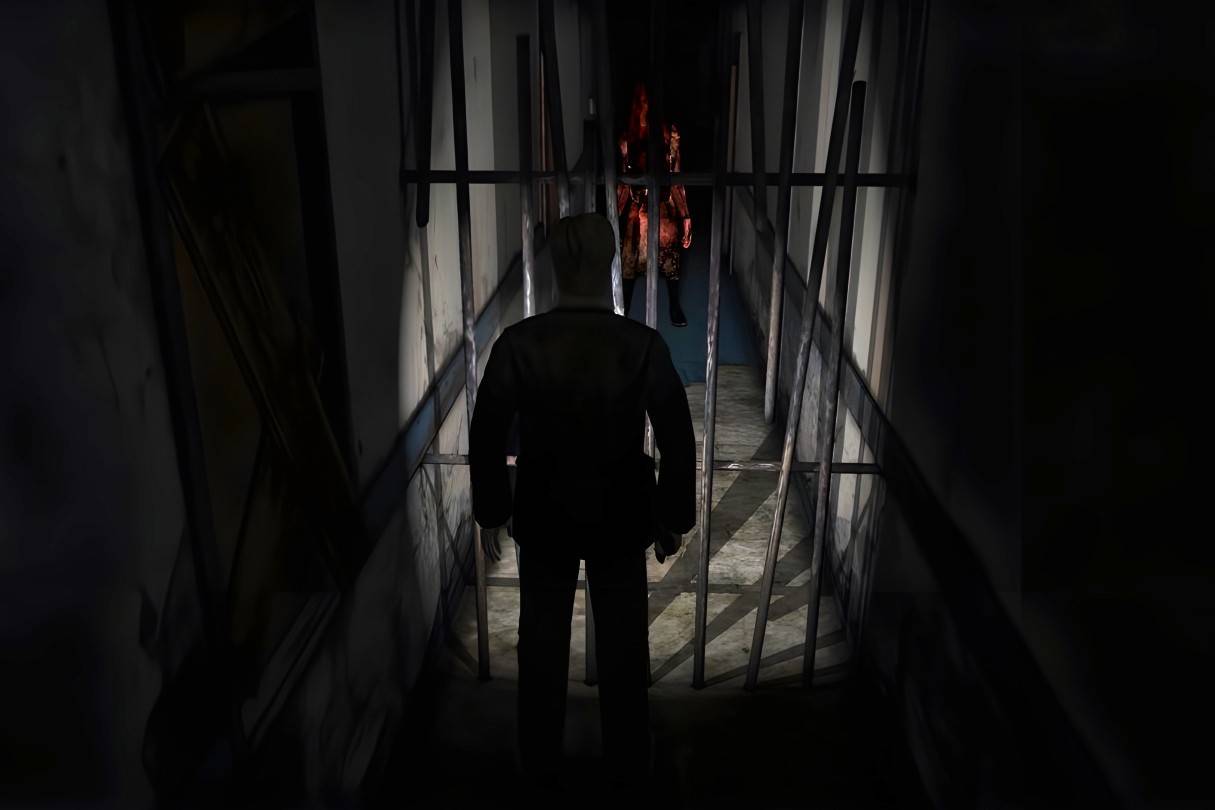 Image: ensigame.com
Table of Contents
- Pyramid Head - Mannequin - Flesh Lip - Lying Figure - Valtiel - Mandarin - Glutton - Closer - Insane Cancer - Grey Children - Mumblers - Twin Victims - Butcher - Caliban - Bubble Head NursePyramid Head
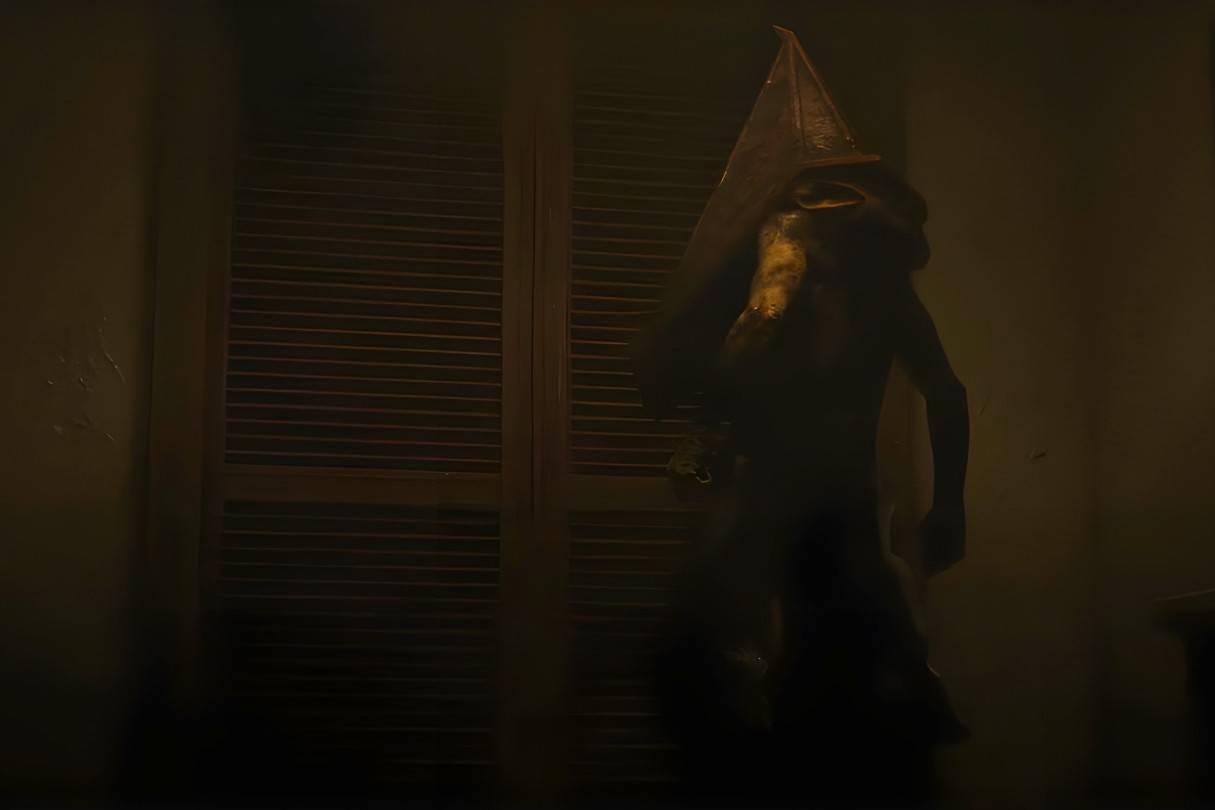 Image: ensigame.com
Pyramid Head, introduced in Silent Hill 2 (2001), is a haunting embodiment of protagonist James Sunderland's guilt and inner turmoil. Designed by Masahiro Ito, the character's distinctive hand structure was crafted to work within the PS2's hardware limitations, optimizing polygon count while preserving expressive movement. Takayoshi Sato describes Pyramid Head as a "distorted memory of the executioners," symbolizing Silent Hill’s grim history of capital punishment. This creature not only punishes James but also mirrors his subconscious desire for retribution, making it a pivotal element in understanding the game's psychological depth.
Mannequin
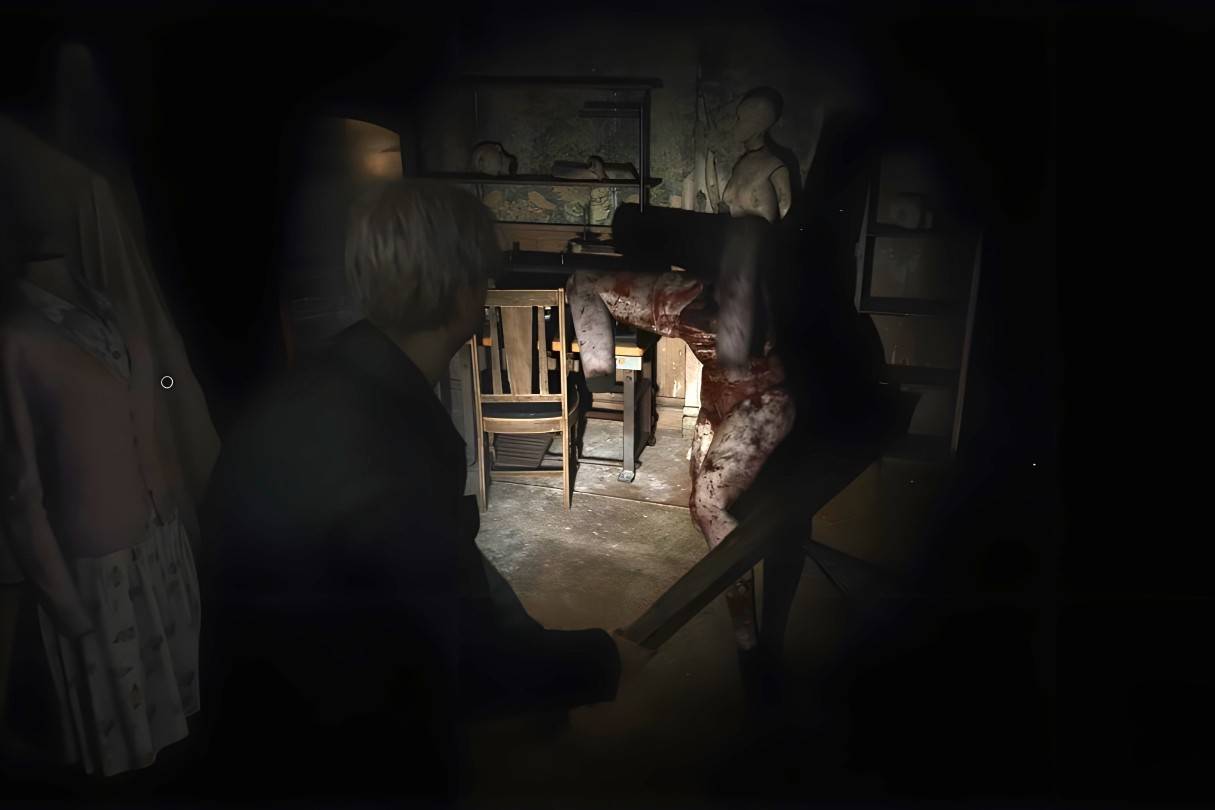 Image: ensigame.com
Mannequins, also debuting in Silent Hill 2 (2001), are one of nine manifestations of James Sunderland's subconscious, symbolized by the nine red squares. Masahiro Ito drew inspiration from Japanese folklore for their design. These creatures reflect James' repressed memories of his wife's illness, with their leg braces reminiscent of the orthotic devices Mary used and the tubes evoking hospital imagery. Drawing from Freud’s psychoanalytic theories, Mannequins embody James' conflicting urges and guilt, enriching the game's psychological narrative.
Flesh Lip
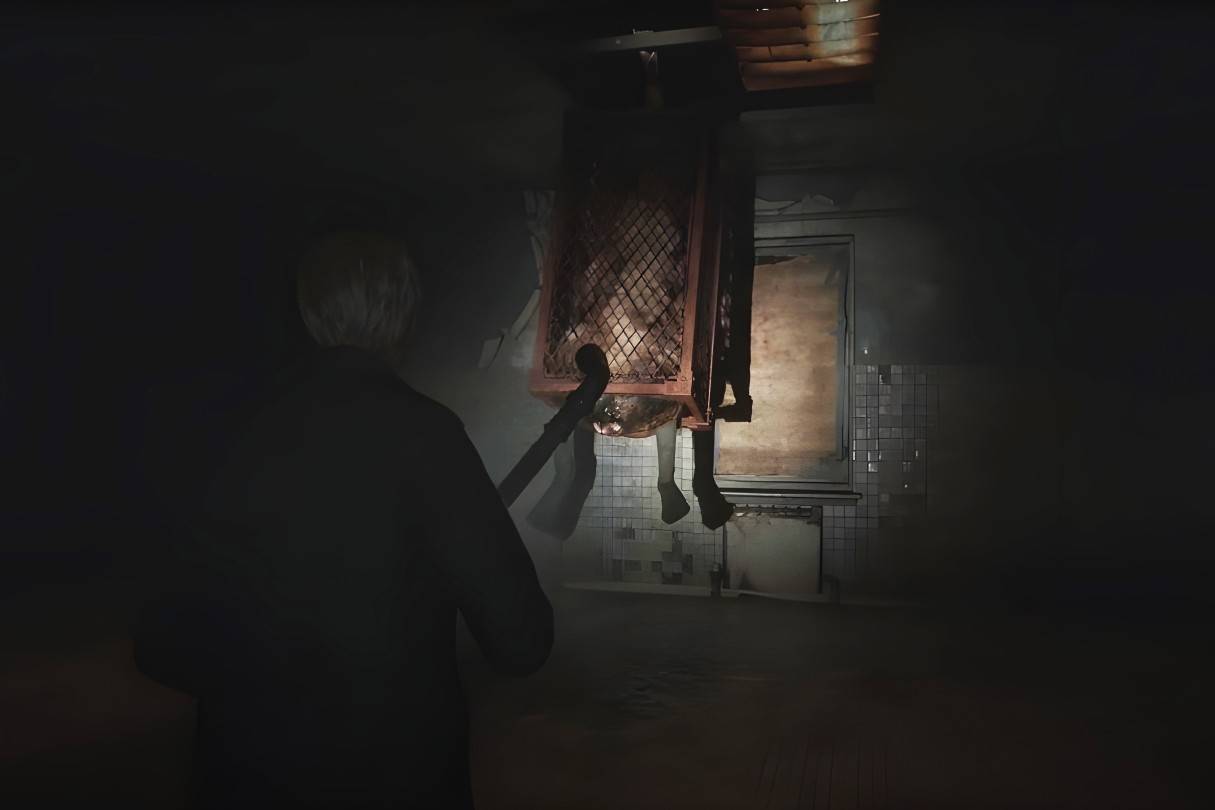 Image: ensigame.com
Flesh Lip, first seen in Silent Hill 2 (2001), is a manifestation of James Sunderland's subconscious, designed by Masahiro Ito with influences from Isamu Noguchi’s Death (Lynched Figure) and Joel-Peter Witkin’s Man with No Legs. It reappeared in Silent Hill: Book of Memories (2012) and other adaptations. This creature symbolizes James’ memory of Mary in her sickbed, with its hanging form and metal lattice reminiscent of a hospital bed, and its raw, damaged flesh echoing Mary’s illness. The mouth on its abdomen represents her verbal abuse during her final days. Notably, Silent Hill 2 introduces creatures with mouths only after Flesh Lip appears, emphasizing James' confrontation with painful memories.
Lying Figure
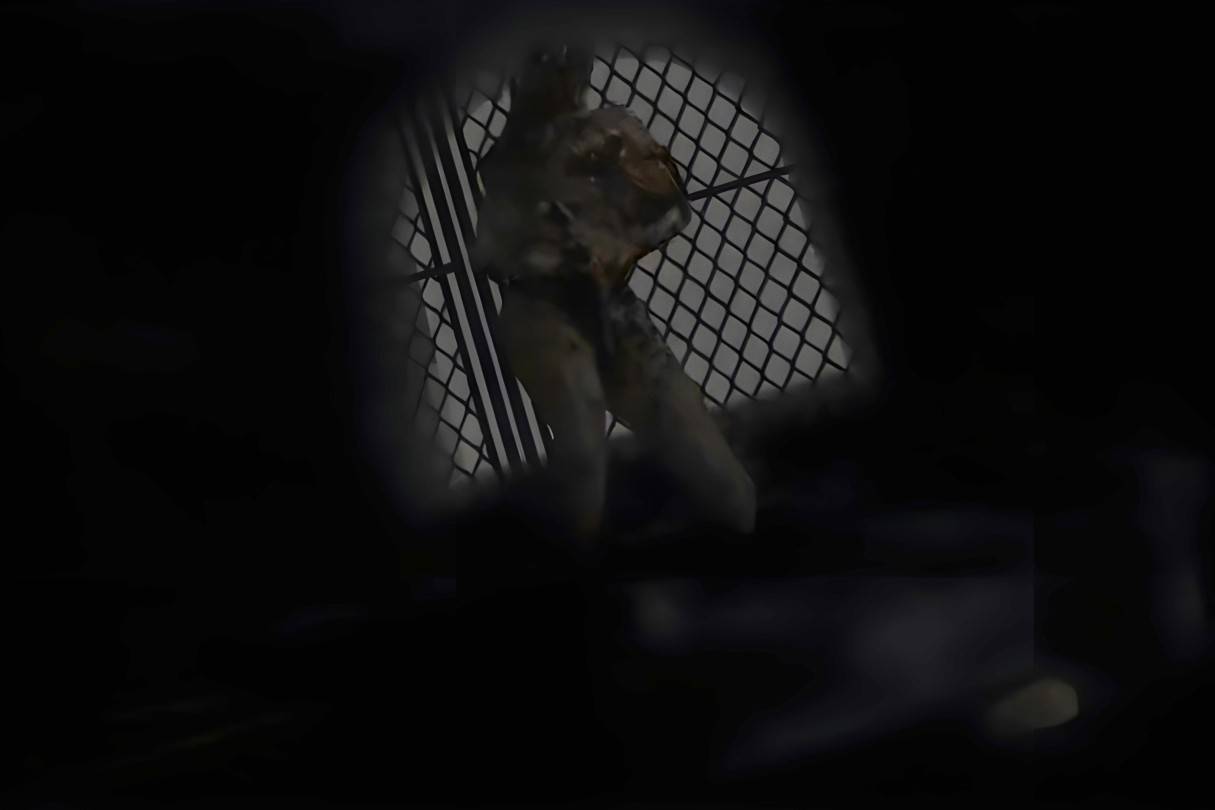 Image: ensigame.com
Lying Figures, introduced in Silent Hill 2 (2001), are the first creatures James encounters and later appear in various adaptations. They embody James’ repressed guilt and memories of Mary’s suffering, with their twisted, writhing bodies resembling hospital patients in agony and their upper torsos reminiscent of body bags, symbolizing death. The name "Lying Figure" alludes to both Mary’s sickbed and corpse, deepening the game's exploration of guilt and loss.
Valtiel
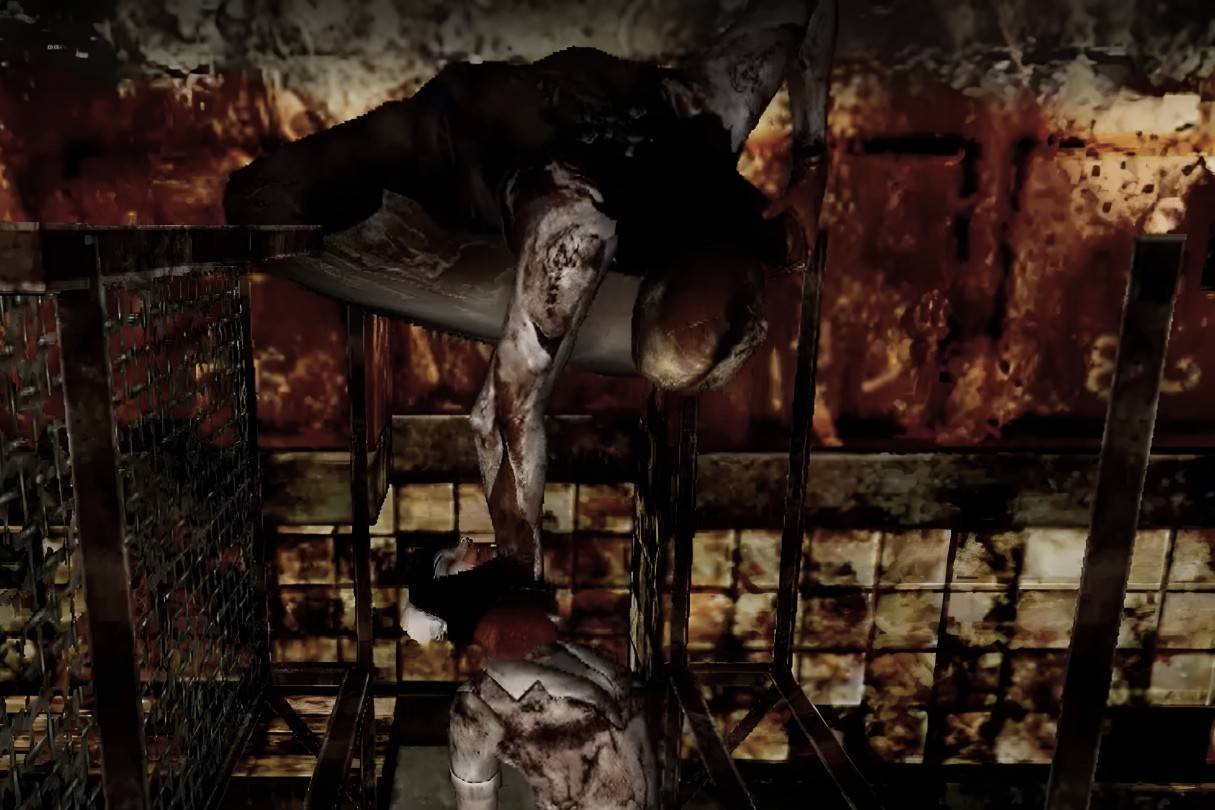 Image: ensigame.com
Valtiel, debuting in Silent Hill 3 (2003), is a mysterious figure linked to the town's cult, the Order. His name, combining valet (French for "attendant") with the angelic suffix "-el," means "Attendant of God." Unlike most creatures in the series, Valtiel is not a subconscious manifestation but an independent being serving God. His masked, robed form, resembling a surgeon, underscores his role as a midwife overseeing Heather’s transformation into the "mother" of God.
Mandarin
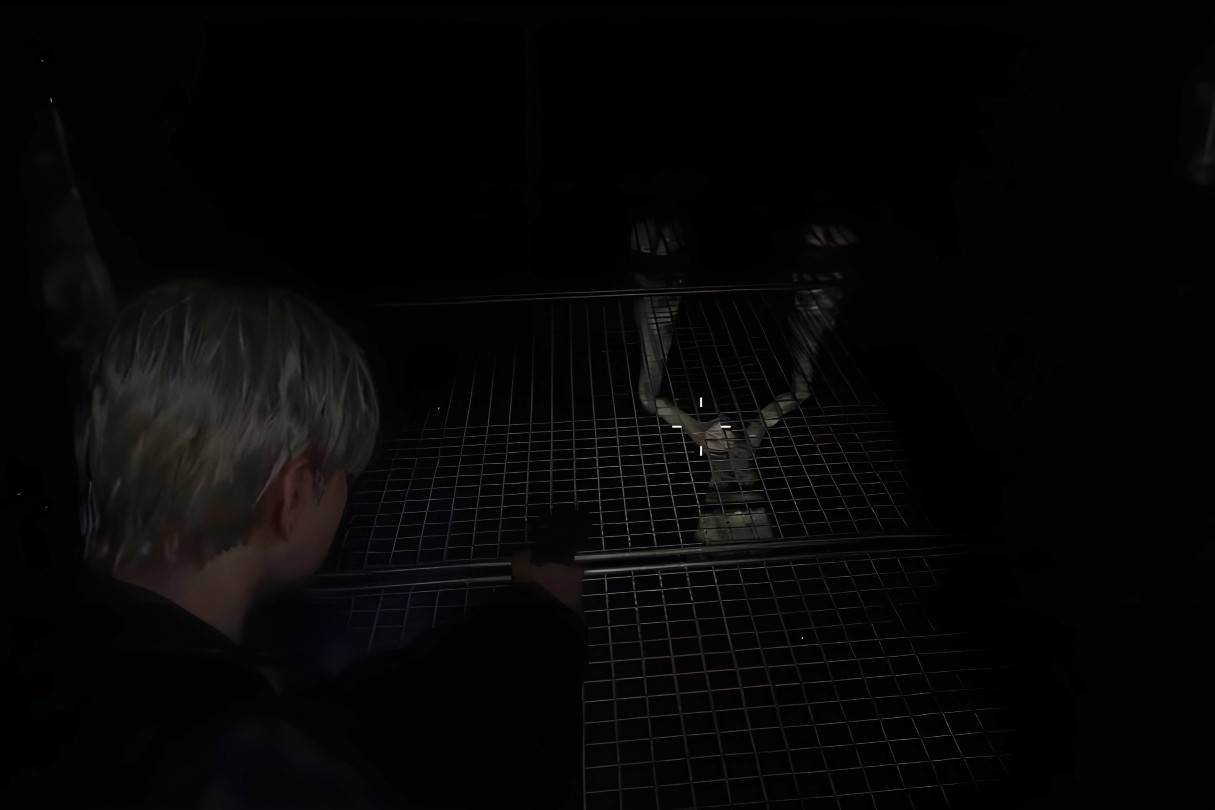 Image: ensigame.com
Mandarins, introduced in Silent Hill 2 (2001), are grotesque creatures lurking in the Otherworld, attacking James with tentacle-like appendages. They embody James' anguish and memories of Mary’s suffering, with their orifice-like mouths aligning with the game's recurring "mouth" motif, symbolizing Mary’s inner turmoil and anger. Confined below ground, Mandarins reflect James' subconscious desire to escape his guilt and pain.
Glutton
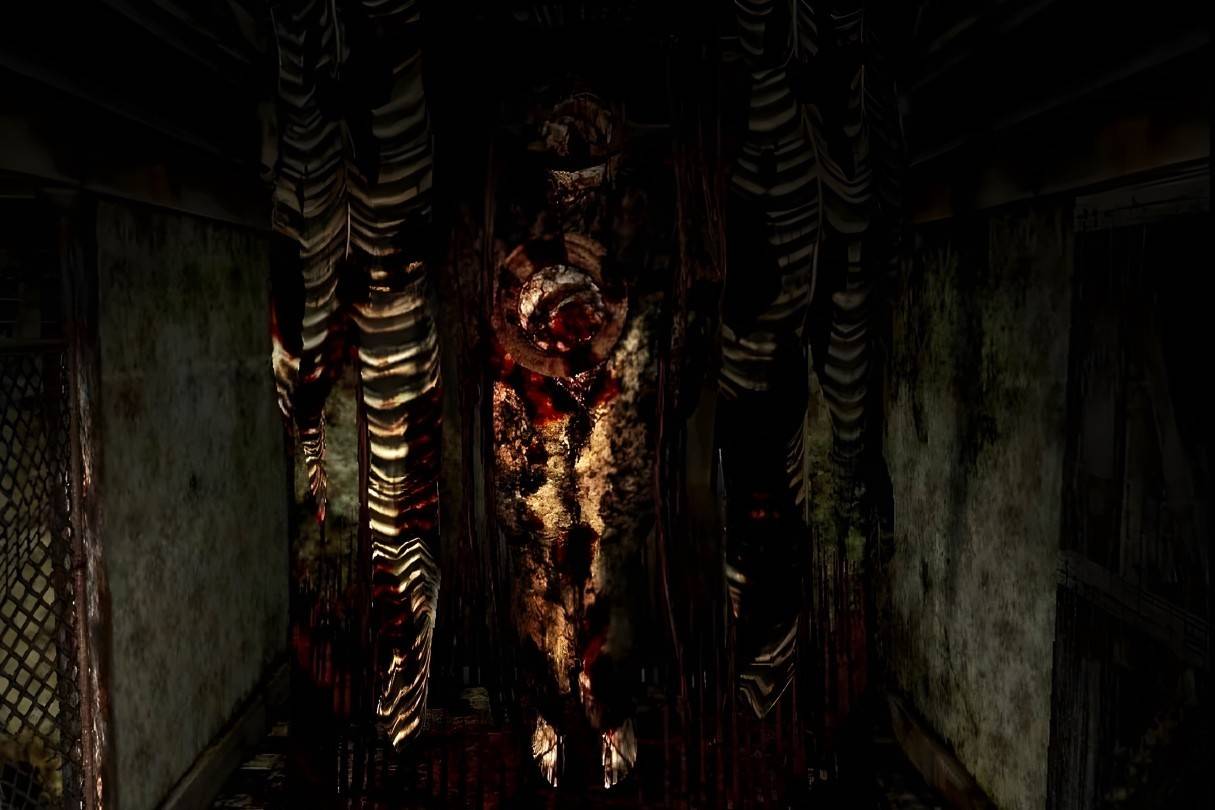 Image: ensigame.com
The Glutton, appearing in Silent Hill 3 (2003), is a massive, immobile creature that blocks Heather Mason’s path in the Otherworld Hilltop Center. Referenced in Lost Memories: Silent Hill Chronicle, it is linked to the fairytale Tu Fui, Ego Eris, where a monster devours those trying to leave their village. The Glutton symbolizes helplessness against fate, mirroring Heather’s struggle. The story’s resurrected priestess parallels Heather, who, as Alessa Gillespie’s reincarnation, returns to confront her past.
Closer
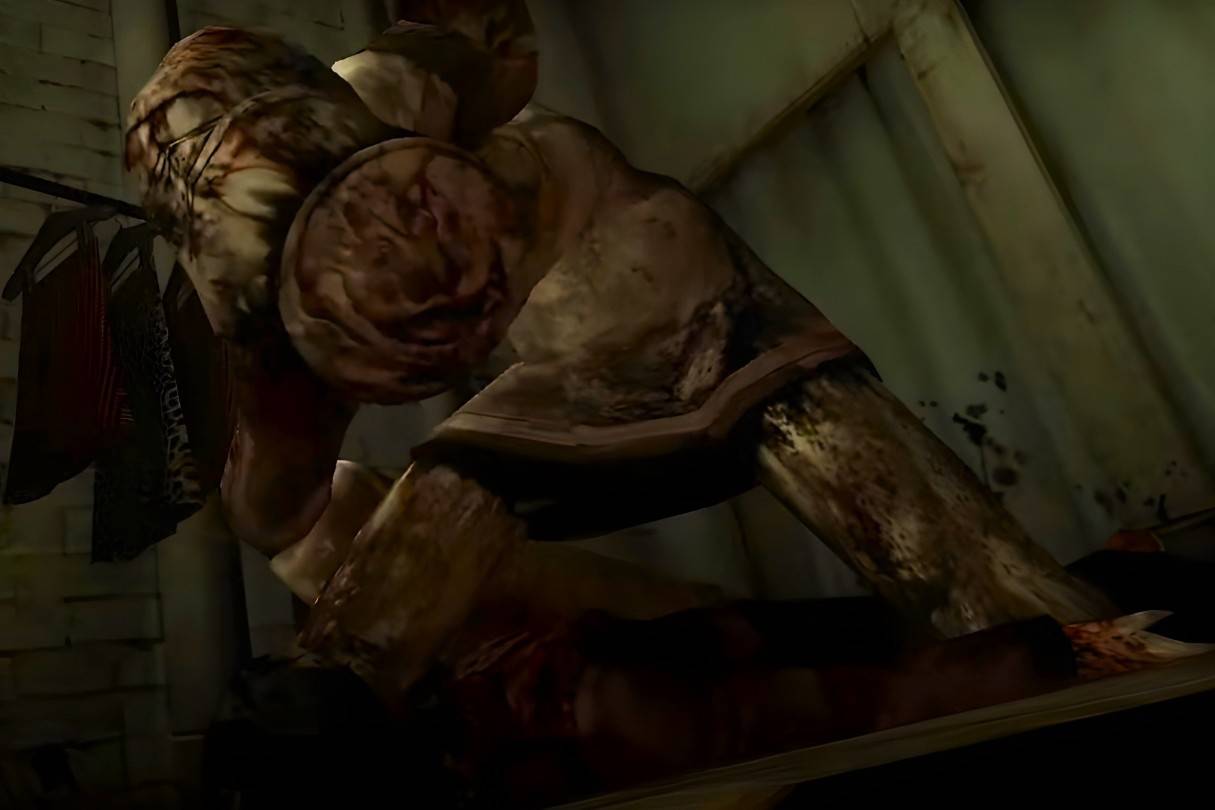 Image: ensigame.com
The Closer, first seen in Silent Hill 3 (2003), is the first monster Heather encounters outside her dream, found feeding on a corpse in a clothing store. A towering figure with thick, stitched arms and twitching lips, the Closer exudes menace, attacking with hidden blade-like protrusions. According to Lost Memories: Silent Hill Chronicle, its name refers to its ability to block paths, adding to the game's sense of entrapment and fear.
Insane Cancer
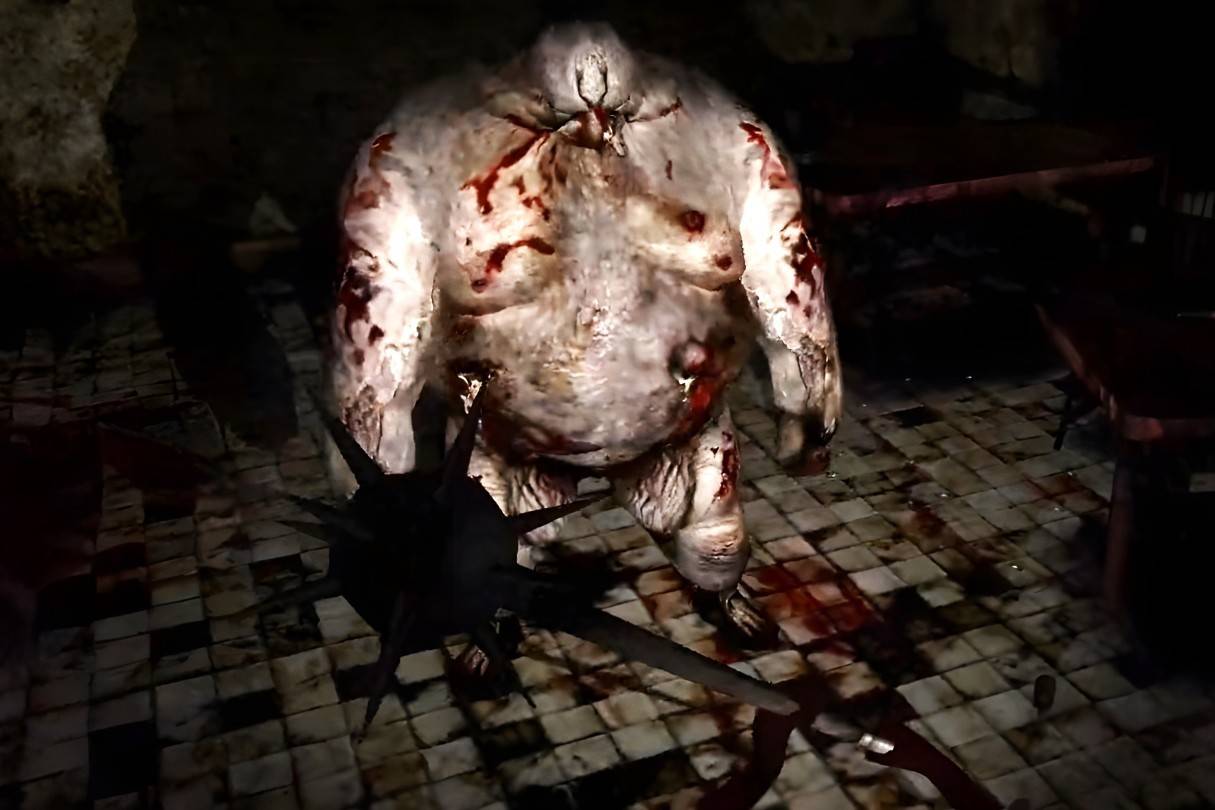 Image: ensigame.com
Insane Cancer, debuting in Silent Hill 3 (2003), is encountered by Heather Mason at Hazel Street Station. It also appears in various adaptations, including Silent Hill: The Arcade and Silent Hill: Book of Memories, where it explodes upon defeat. Described in The Book of Lost Memories as a "cancer running wild," its grotesque, tumor-like form reflects disease and corruption. It may symbolize Silent Hill’s spreading evil or Alessa Gillespie’s lingering self-loathing, seeing herself as an inescapable "cancer." The creature's deceptive mimicry of death mirrors Alessa’s condition — thought dead by many but kept alive against her will.
Grey Children
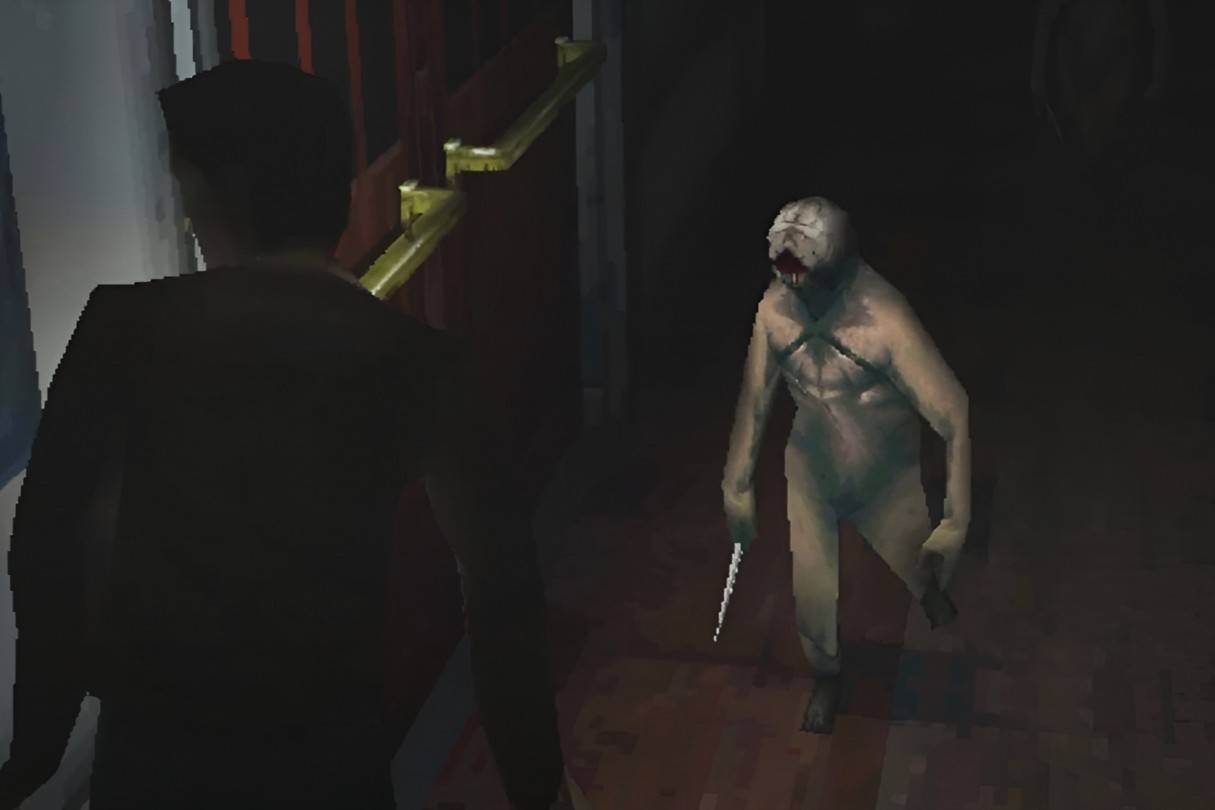 Image: ensigame.com
Grey Children, also called Demon Children, first appear in Silent Hill (1999). They are the first creatures Harry Mason encounters, attacking him in an alley after a shift into the Otherworld. Manifested from Alessa Gillespie’s trauma, Grey Children represent her classmates who bullied her, chanting for her to "burn" before she was immolated by the cult. Trapped in an eternal childhood, they suffer the same torment Alessa endured, appearing to burn from within as a reflection of her pain and revenge.
Mumblers
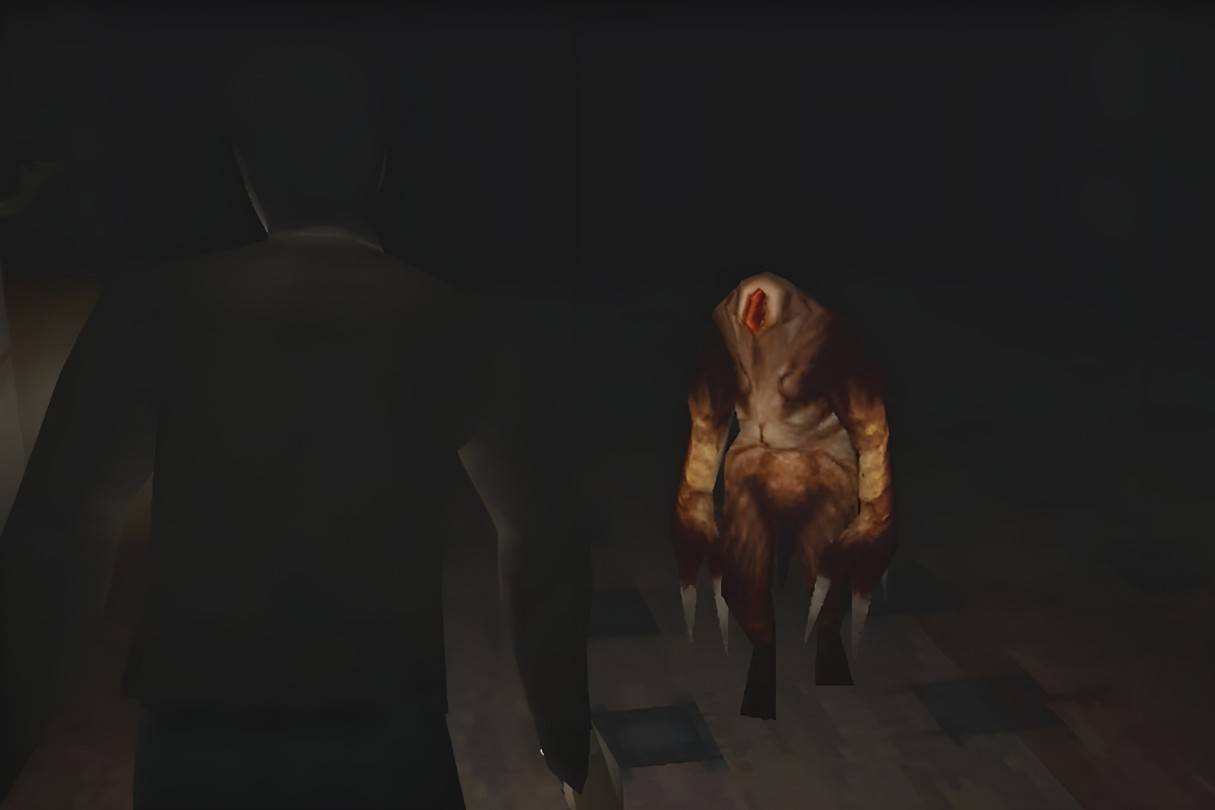 Image: ensigame.com
Mumblers, introduced in Silent Hill (1999), are small, grotesque creatures that react aggressively to light and emit eerie growls upon detecting Harry Mason. These monsters embody the dark reinterpretation of menacing animals and demons from fairy tales that Alessa Gillespie read as a child, reflecting her fears and distorted imagination.
Twin Victims
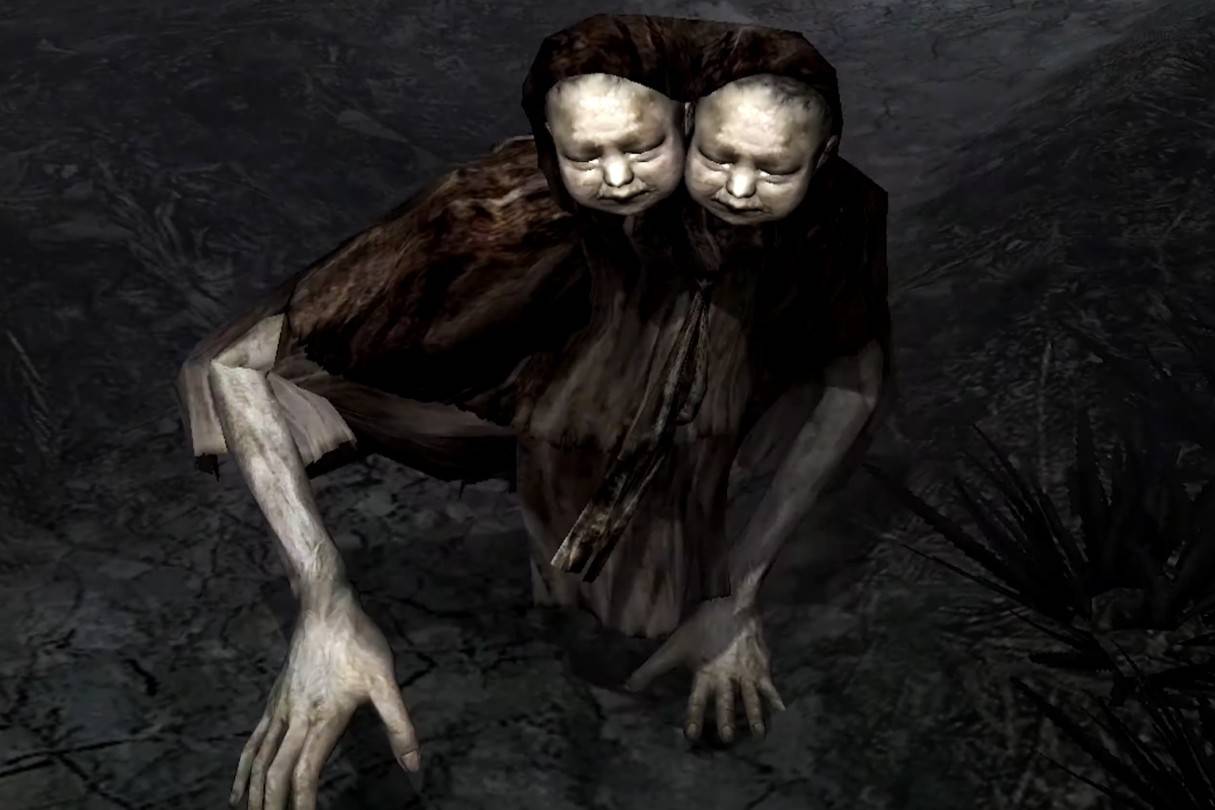 Image: ensigame.com
Also known as Doublehead, Twin Victims first appear in Silent Hill 4: The Room, encountered in the Water Prison. These creatures manifest Walter Sullivan’s seventh and eighth victims, twins Billy and Miriam Locane. Unlike other victims, they take monstrous form instead of ghosts. Their conjoined nature may symbolize Walter’s obsessive attachment to his mother, reflecting the game’s theme of distorted familial bonds.
Butcher
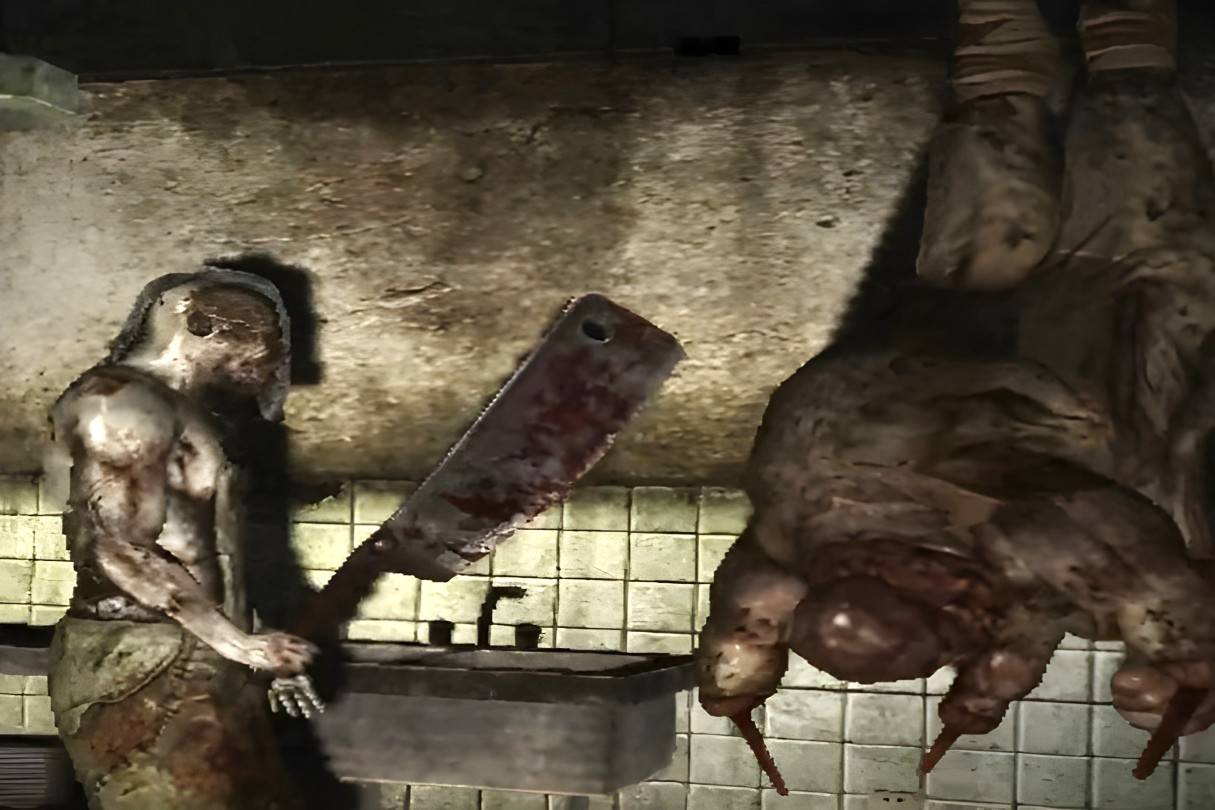 Image: ensigame.com
The Butcher, a major antagonist in Silent Hill: Origins and appearing in Silent Hill: Book of Memories, represents cruelty and sacrifice. It reflects the Order’s brutal rituals and Travis Grady’s inner rage. His emotionless slaughter mirrors Travis’ potential for violence, influencing the game’s Bad ending. The blurred connection between Travis and the Butcher suggests a split personality, with the helmet symbolizing duality—one side blind yet protected, the other exposed and vulnerable. His method of killing may also symbolize repressed anger tied to personal fears.
Caliban
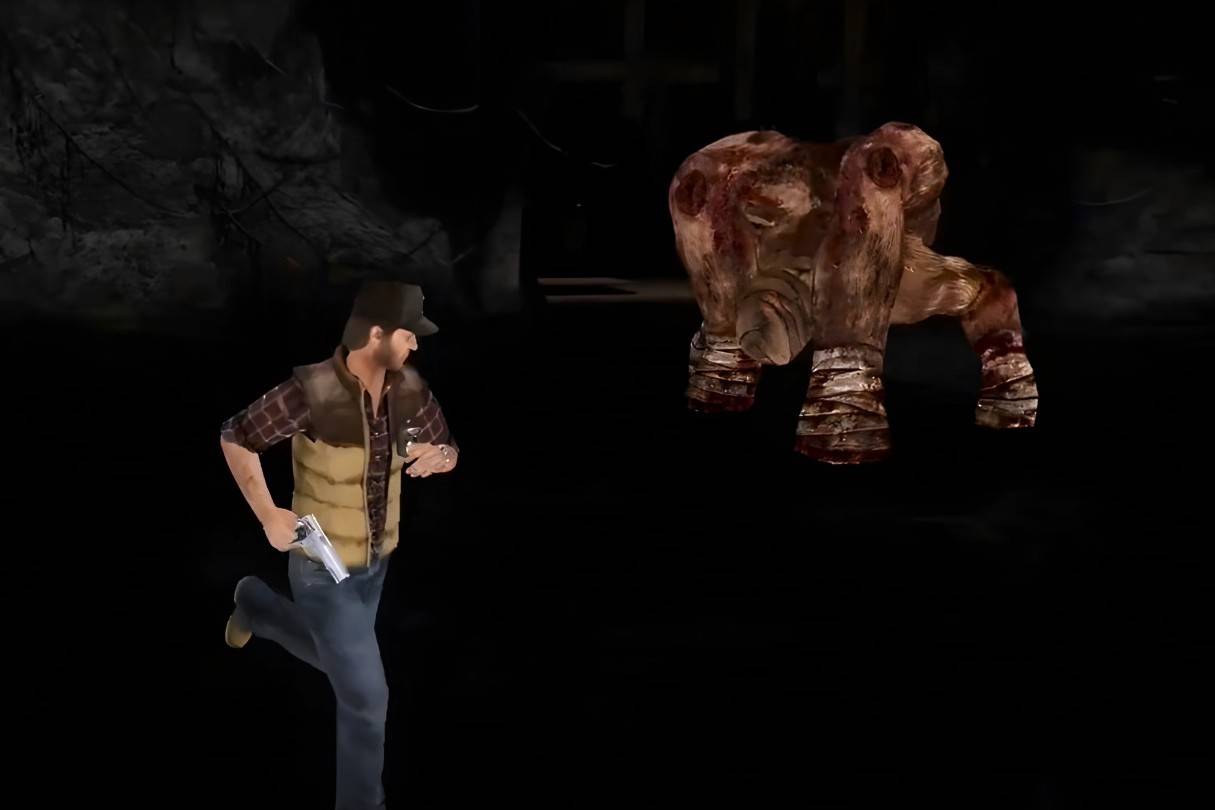 Image: ensigame.com
Caliban, a monster in Silent Hill: Origins, first appears as a boss in Artaud Theater. After its defeat, it roams the streets of Silent Hill and later appears in Riverside Motel and Nowhere. The creature's name comes from Shakespeare’s The Tempest, referencing a monstrous figure that frightened Alessa when she watched the play at Artaud Theater. An audio flashback in the game features one of Caliban’s famous monologues, reinforcing the connection. The monster's design and presence symbolize Alessa’s fears, particularly her fear of dogs, shaping the Otherworld’s horrors.
Bubble Head Nurse
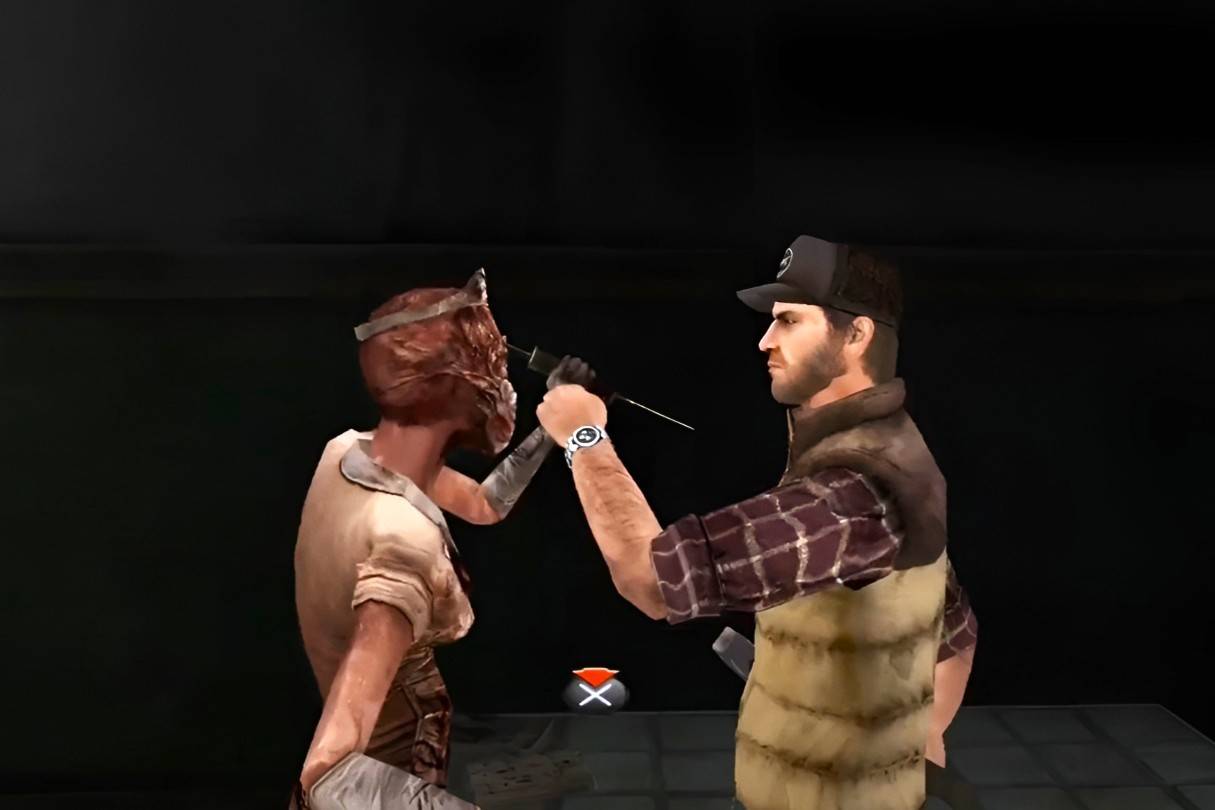 Image: ensigame.com
Bubble Head Nurse, introduced in Silent Hill 2, first appears in Brookhaven Hospital and later in various adaptations. These creatures manifest James Sunderland’s subconscious, symbolizing his guilt and repressed desires. Their swollen, twitching heads are wrapped in liquid-filled masks, representing Mary’s illness and suffocation. The baby-like facial features allude to James and Mary’s lost dreams of having a child, while the red squares over their mouths reflect Mary’s anger and verbal abuse. An Otherworld variant, a late addition to the game, features tattered clothing, spikes, and a grotesque protrusion. Though its symbolism is unclear, it serves as a distorted reflection of Mary’s suffering.
The monsters of Silent Hill serve as more than just enemies—they are psychological manifestations of fear, guilt, trauma, and repressed emotions. Each creature embodies unique symbolism deeply tied to the protagonist's subconscious struggles and the town’s dark influence. From James Sunderland’s guilt-driven hallucinations to Alessa Gillespie’s nightmarish creations, these monsters reflect personal suffering and psychological torment. Their haunting presence reinforces a signature blend of psychological horror, making the series a masterpiece of unsettling storytelling and deep symbolism.