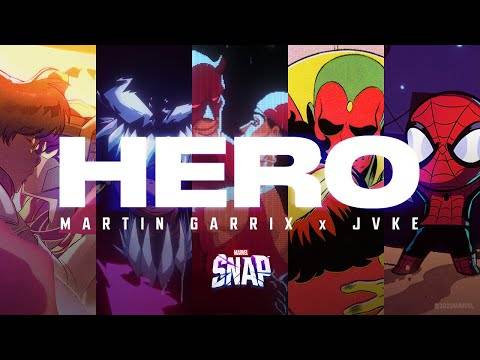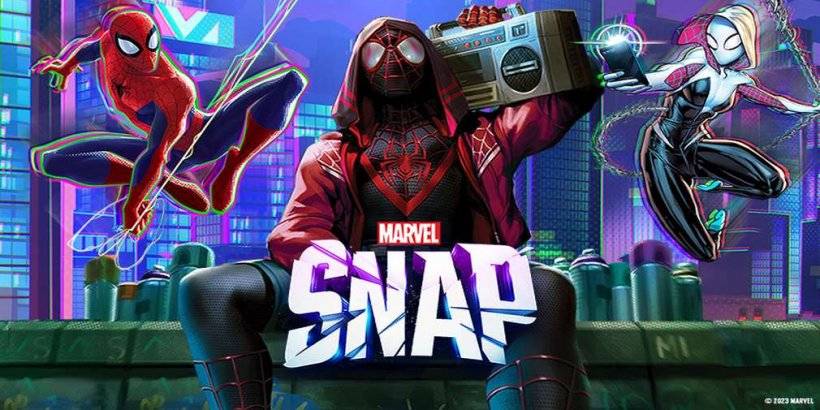
Over the weekend, one of the most talked-about events was the temporary ban of TikTok in the United States. This action followed a congressional bill that labeled TikTok as a "foreign adversary controlled application." The ban, which took effect on Sunday, was short-lived as President-elect Donald Trump promised its swift return, and ByteDance, TikTok's parent company, quickly reinstated the app. However, other ByteDance applications, such as the popular comic-themed card game Marvel Snap, did not see an immediate return.
Marvel Snap, along with other games like Moonton’s Mobile Legends: Bang Bang, faced a sudden halt in service in the U.S., accompanied by a message stating they had been banned. ByteDance's message was clear: accept all their offerings or get none at all. Developer Second Dinner, responsible for Marvel Snap, appeared to be caught off guard by this move. They have since been managing the fallout on social media, promising to bring the game back online as soon as possible.
This political maneuver by ByteDance, which subtly positioned Trump as TikTok's savior, seemed designed to generate buzz and leverage public sentiment. The strategy paid off, allowing TikTok to make a dramatic return to the U.S. market. However, this political football game has had unintended consequences for ByteDance's other ventures, leaving developers like Second Dinner in a difficult position. To compensate for the downtime, Second Dinner has promised lucrative rewards for players once Marvel Snap is back in service.
This incident may not prompt Second Dinner to end their partnership with ByteDance, but it certainly does little to bolster their confidence. It underscores ByteDance's focus on its social media empire over its gaming ventures. In 2023, ByteDance's gaming division underwent significant layoffs, canceling many unlaunched projects. Marvel Snap was seen as a sign of ByteDance shifting towards partnerships rather than developing games in-house. However, this breach of trust could make other developers and publishers wary of future collaborations with ByteDance, especially amidst potential political controversies.
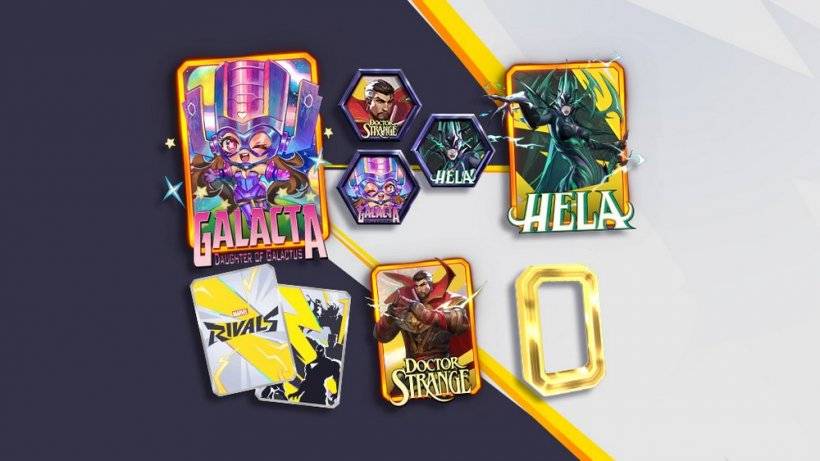
The ripple effects extend beyond ByteDance. Disney, which recently saw a surge in relevance with the release of NetEase’s Marvel Rivals and its mobile crossover, might also be concerned. ByteDance's actions could embolden politicians to target other Chinese gaming companies like Tencent and NetEase, with the FTC already scrutinizing MiHoYo over loot boxes.
ByteDance's strategy, while successful in bringing TikTok back, sets a troubling precedent. It raises questions about the vulnerability of popular pastimes to political decisions. The incident with Marvel Snap highlighted how even those indifferent to TikTok can be mobilized when their favorite games are affected. This situation underscores the potential for gaming to become a pawn in larger geopolitical games, with significant implications for players, developers, and IP holders alike.