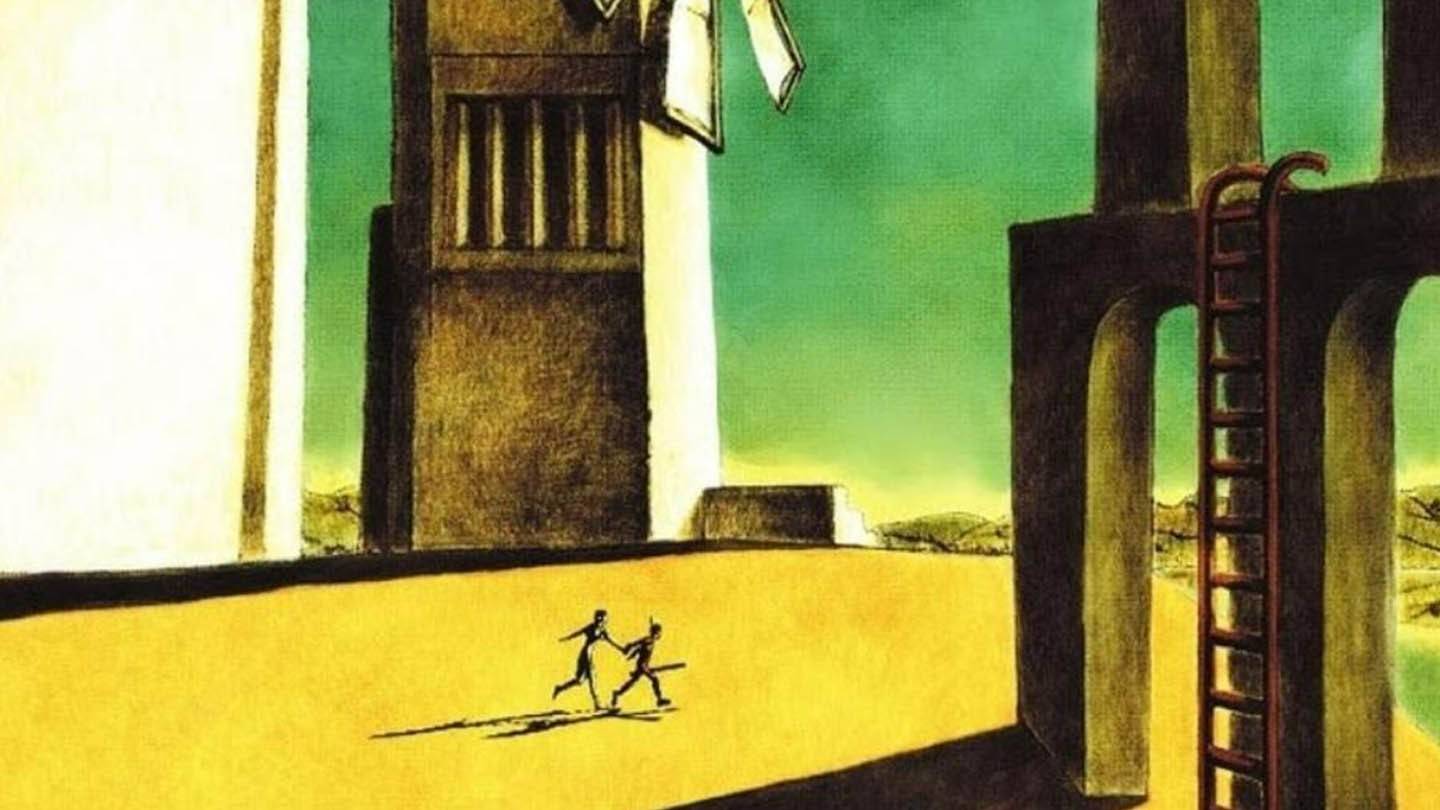
Yoko Taro, the visionary behind acclaimed titles like NieR: Automata and Drakengard, has openly discussed the profound impact of ICO on the video game industry as a medium for artistic expression. Released in 2001 for the PlayStation 2, ICO swiftly gained a cult following due to its minimalist design and its unique approach to storytelling without words.
Taro emphasized the revolutionary nature of ICO's core mechanic, where players guide the character Yorda by holding her hand. He noted, "If ICO had tasked you with carrying a suitcase the size of a girl instead, it would have been an incredibly frustrating experience." This mechanic challenged the conventional gameplay norms of the era, highlighting the innovative aspect of leading another character through the game world.
At the time, successful game design was often measured by how engaging the experience remained when all elements were simplified to basic cubes. ICO, however, took a different path by focusing on emotional resonance and thematic depth rather than just mechanical innovation. Taro pointed out that ICO demonstrated that art and narrative could be more than just background elements; they could be central to the gaming experience.
Describing ICO as "epoch-making," Taro credited it with significantly altering the course of game development. He lauded the game for showing that video games could convey deep meaning through subtle interactions and atmospheric design.
In addition to ICO, Taro mentioned two other games that have had a lasting impact on both him and the industry: Undertale by Toby Fox and LIMBO by Playdead. He believes these games have expanded the possibilities of what can be expressed through interactive media, proving that video games are capable of delivering profound emotional and intellectual experiences.
For enthusiasts of Yoko Taro's work, his appreciation for these games provides valuable insight into the creative influences behind his own projects. It also highlights the continuous evolution of video games as a dynamic and versatile art form.