
Summary
- Nintendo excluded Retro Studios' developers from the Donkey Kong Country Returns HD credits.
- Nintendo's history of condensed credits in remastered games has faced criticism from developers.
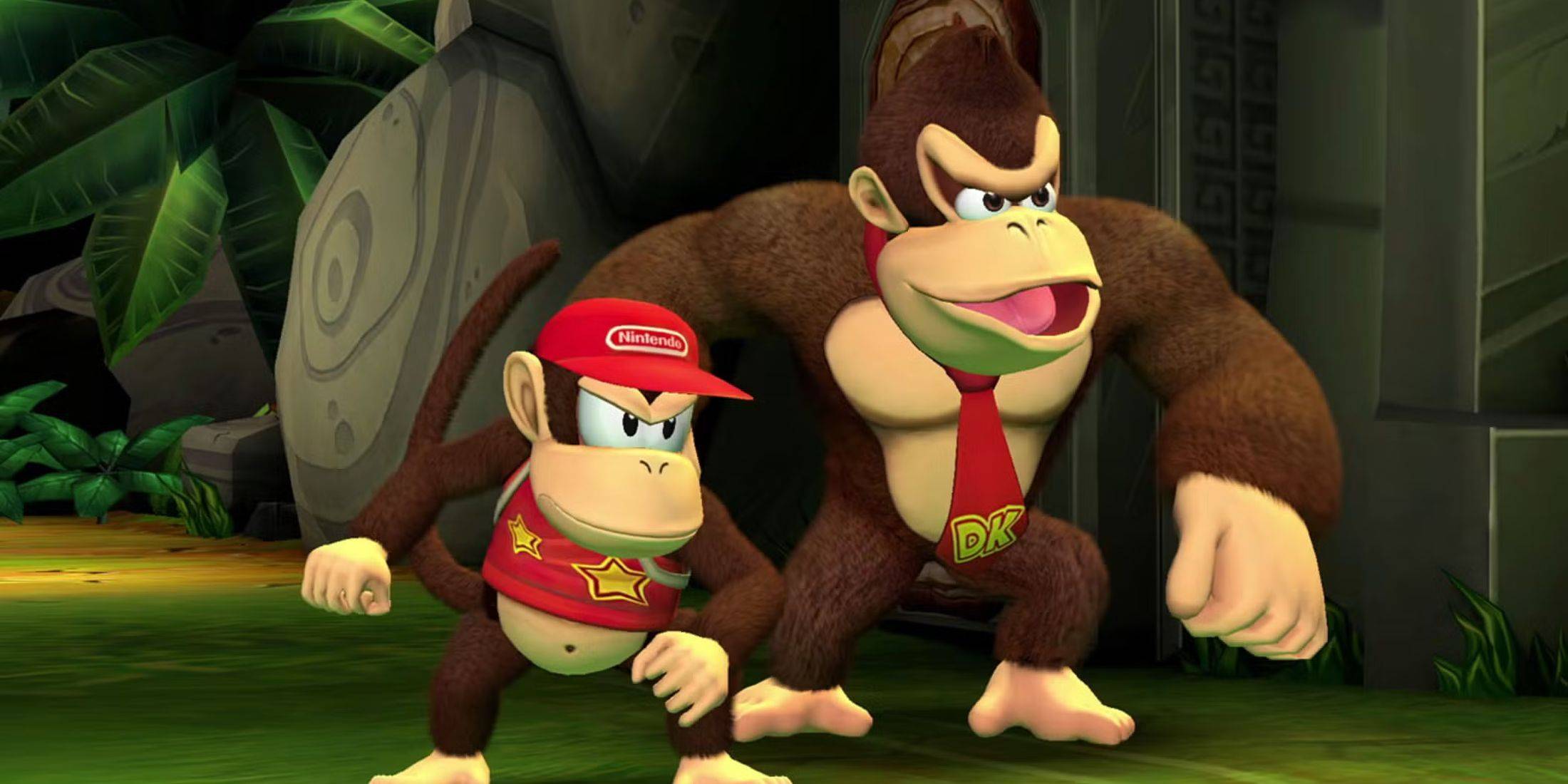
The upcoming release of Donkey Kong Country Returns HD confirms the omission of Retro Studios' original developers from the remastered game's credits. Launching January 16, 2025, this Nintendo Switch title remasters the 2010 Wii platformer.
The Nintendo Switch, with its portability and extensive library of classic titles, is a leading platform for retro gaming. Nintendo actively remasters and remakes classics, adding enhancements and new content. Recent examples include the Super Mario RPG remake and remasters of Advance Wars and the Famicom Detective Club games.
This trend includes the Donkey Kong Country series. Pre-release reports confirm that Nintendo omitted Retro Studios' staff from Donkey Kong Country Returns HD's credits. According to Nintendo Life, the credits only list Forever Entertainment, the porting and enhancement studio, and the 3DS version contributors. Instead of full Retro Studios credits, a line acknowledges the "Based on the work of the original development staff."
Nintendo Omits Retro Studios From Donkey Kong Country Returns HD Credits
This credit condensation aligns with Nintendo's practices in other Switch re-releases. In 2023, Zoid Kirsch, a former Retro Studios programmer (Metroid Prime 1 & 2), criticized Nintendo for excluding original Metroid Prime Remastered credits. He expressed disappointment, and other developers echoed concerns about the exclusion of original teams from remasters as "bad practice."
Game industry crediting is crucial for developer career building. Crediting original developers shows appreciation for their work on beloved titles. Nintendo has also faced accusations of insufficient credit for translators, sometimes through restrictive NDAs preventing acknowledgment of work on franchises like The Legend of Zelda. Growing public calls for improved crediting practices may eventually force publishers, including Nintendo, to adapt their policies.