2025 marks a significant milestone for DC, with James Gunn's Superman film set to launch the new DCU theatrically. DC Studios is also busy with several film and television projects in development, while the Absolute Universe in the comics is creating major buzz in DC's publishing division. Amidst all this excitement for the new DC universe media, there's a glaring question that remains unanswered: What is happening with Wonder Woman? Created by William Moulton Marston and H. G. Peter, Wonder Woman is one of the most iconic superheroes and a cornerstone of the DC universe, yet recent DC franchise media barely acknowledges her presence.
Outside of the comics, Diana of Themyscira has faced significant challenges in recent years. Her live-action film franchise struggled following the mixed reception of Wonder Woman 1984. She is notably absent from the current DCU lineup, with Gunn and his team choosing instead to focus on a show about the Amazons. Wonder Woman has also never had a dedicated animated series, and her first-ever solo video game, announced in 2021, was unfortunately cancelled. Given all the setbacks, it's crucial to examine how Warner Bros. and DC are handling the representation of one of the most iconic female superheroes of all time.
One Hit Wonder
During the peak rivalry between the Marvel Cinematic Universe and the DCEU in the late 2010s, the first Wonder Woman film stood out as a major success for the latter. Released in 2017, the film garnered largely positive reviews and grossed over $800 million worldwide. In contrast to the polarizing responses to Batman v Superman and Suicide Squad, Patty Jenkins' vision of Diana resonated deeply with audiences. While the movie was not without flaws, such as third act problems and Gal Gadot's performance focusing more on action than character depth, its strong performance should have paved the way for a thriving blockbuster franchise.
However, the sequel, Wonder Woman 1984, released in 2020, fell short of expectations. It divided critics and failed to recoup its budget at the box office, partly due to its simultaneous release on HBO Max amid the COVID-19 pandemic. The film's narrative structure, tonal inconsistencies, and controversial elements, such as Diana having sex with Chris Pine's Steve Trevor while he was in another man's body, further alienated audiences. Despite these setbacks, Wonder Woman deserved another chance. Yet, a third film was phased out of development, leaving fans disappointed. Considering the numerous reboots and relaunches other characters like Batman and Spider-Man have received, it's disheartening to see Wonder Woman sidelined after just one underperforming sequel.
Diana Prince, Missing in Action
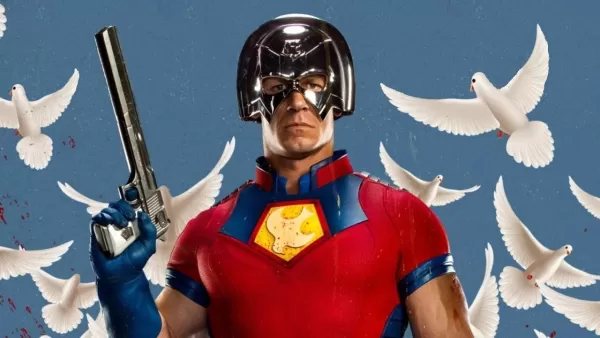
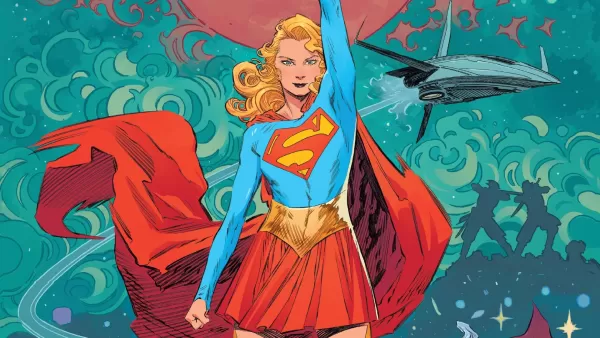
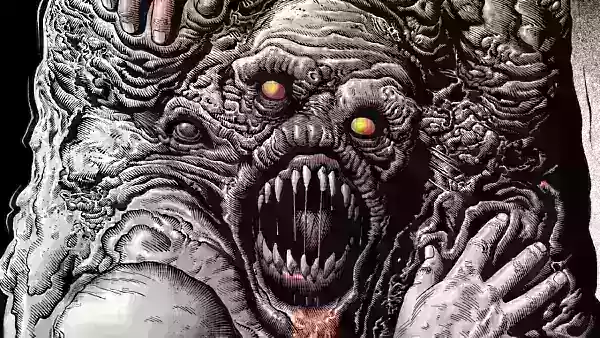
With the new DCU set to launch a fresh wave of adaptations, one might expect Wonder Woman to be a priority. However, the Chapter One: Gods and Monsters slate of the DCU does not include a dedicated Wonder Woman project. Instead, DC Studios head James Gunn and producing partner Peter Safran have chosen to focus on lesser-known properties such as Creature Commandos, Swamp Thing, Booster Gold, and The Authority. While there's nothing wrong with exploring obscure IP, as Gunn successfully did with Guardians of the Galaxy, it's puzzling that these projects are prioritized alongside new iterations of Superman, Batman, and Green Lantern, while Wonder Woman remains absent.
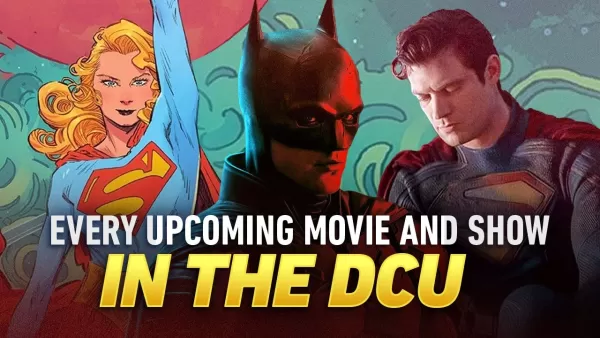
DC Universe: Every Upcoming Movie and TV Show
 View 39 Images
Instead of a Wonder Woman project, the DCU has announced Paradise Lost, a television series focusing on the Amazons of Themyscira set before Wonder Woman's birth. While exploring the Amazons' history and enriching Wonder Woman's mythology is commendable, creating a show within the Wonder Woman franchise without featuring Wonder Woman herself evokes comparisons to the Sony Marvel Universe. This approach raises questions about why DC Studios does not see Diana as the main attraction over the world-building associated with her. Why is there such urgency to establish the DCU's Batman, potentially leading to two concurrent live-action Batman franchises, yet no rush to include Wonder Woman?
This treatment of the third member of DC's Trinity is not new. The DC Animated Universe in the '90s and early 2000s prominently featured Wonder Woman in Justice League and Justice League Unlimited, but she never received her own solo animated series, unlike Batman and Superman. Even with the surge in superhero fiction's popularity over the past decades, Wonder Woman has only starred in two direct-to-video animated films: Wonder Woman in 2009 and Wonder Woman: Bloodlines in 2019. This scarcity of projects raises the question of why it's so challenging to develop a Wonder Woman-centric project.
Answer
See Results
Let Me Play as Wonder Woman, Dammit
The recent cancellation of the Wonder Woman game developed by Monolith Productions adds another layer of frustration. It's unclear whether the poor performance of other DC-related games like Suicide Squad: Kill the Justice League and MultiVersus contributed to its demise, but the long development period ending in cancellation feels like a missed opportunity. This would have been Diana's first game as the lead character, making it all the more disappointing. With the resurgence of character action games, now is the perfect time for an action-adventure game featuring Diana, akin to God of War or Ninja Gaiden.
While Diana has been playable in games like Injustice, Mortal Kombat vs. DC Universe, and various LEGO DC titles, there's no excuse for her not having a AAA action game. DC's failure to capitalize on the success of Rocksteady's Batman Arkham series with games featuring Wonder Woman, Superman, and the Justice League represents a significant missed opportunity. It's even more insulting that Diana's first appearance in the Arkham timeline in Suicide Squad: Kill the Justice League sees her killed off as a non-playable character, while the male members of the Justice League survive as evil clones.
The struggles of Wonder Woman's film franchise, the lack of animated series, and the disappointing video game representation all point to a troubling lack of respect from Warner Bros. and DC for one of their most iconic characters. If they undervalue the third biggest hero in their lineup, what does that say about their regard for the thousands of other DC characters? Hopefully, Gunn's Superman reboot will herald a new era of DC adaptations that moves away from the troubled DCEU. As Warner Bros. progresses with their relaunched franchise, they must not overlook the immense value Diana Prince brings to their universe. After nearly a century, both she and her fans have waited long enough.