Chat in Minecraft serves as a vital tool for player interaction, enabling communication, command execution, and server notifications. Players leverage the chat to coordinate strategies, trade resources, pose questions, engage in role-play, and even manage gameplay elements. Additionally, servers utilize the chat to dispatch system messages, alert players to events, distribute rewards, and announce updates.
Table of Contents
- How to open the chat and use commands
- Communication on the server
- Frequently asked questions and errors
- Text formatting
- System messages
- Useful commands
- Chat settings
- Differences between Java and Bedrock Edition
- Chat on custom servers
How to open the chat and use commands
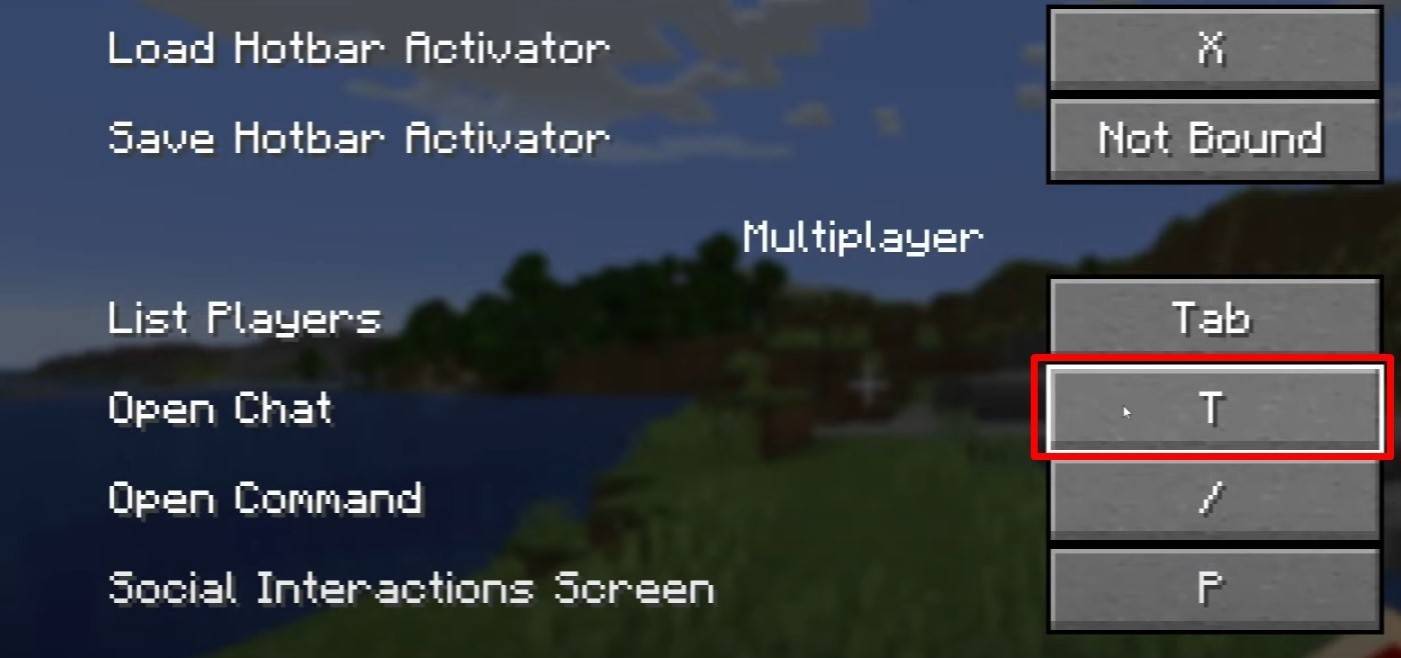 Image: youtube.com
To access the chat, simply press the 'T' key. This action will bring up a text box where you can type your message and hit Enter to send it. If you begin your input with a "/", you're entering a command. Here are some examples:
- "/tp" — teleport to another player;
- "/spawn" — teleport to spawn;
- "/home" — return home (if set up);
- "/help" — list of available commands.
In single-player mode, these commands will only function if cheats are enabled. On servers, the ability to use commands depends on the permissions granted to your account.
Also read: Take charge of Minecraft: a deep dive into commands
Communication on the server
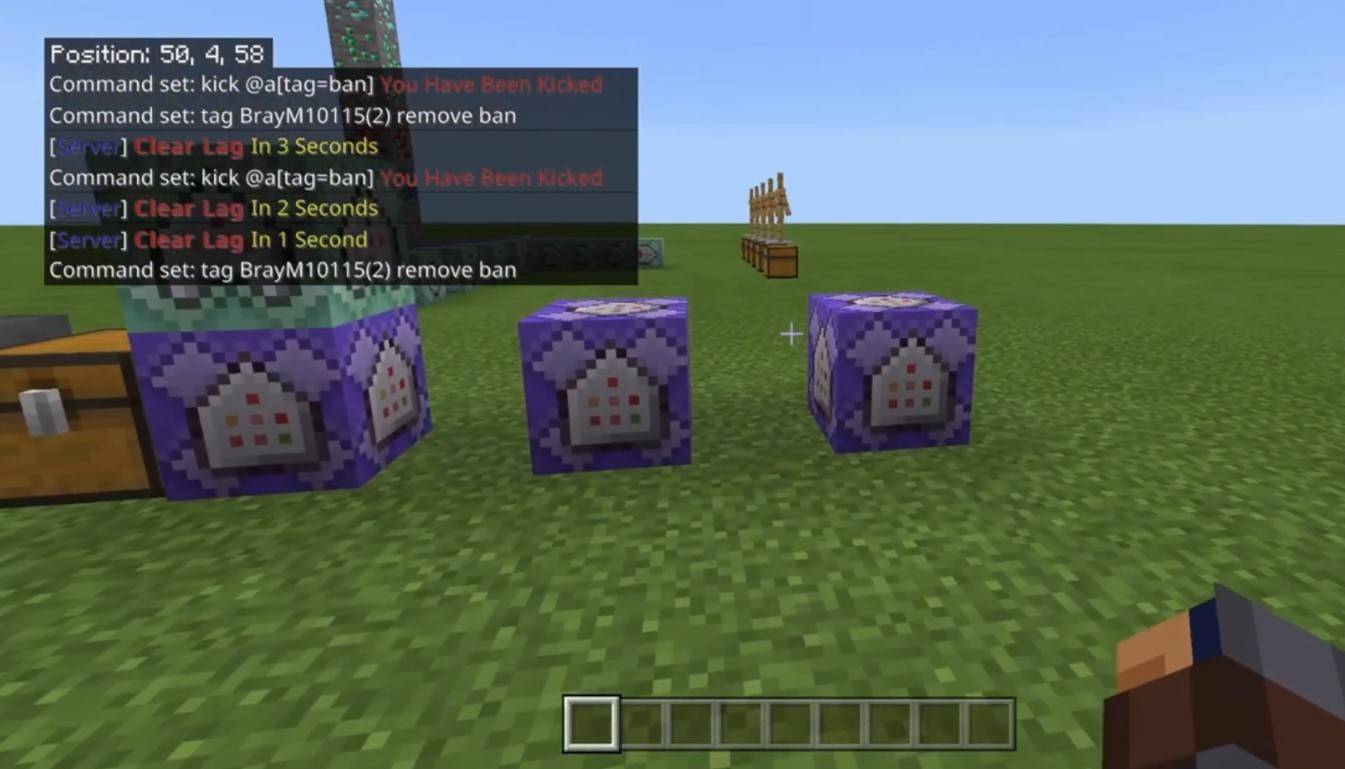 Image: youtube.com
Server communication can take several forms. The most straightforward is the general chat, where messages are visible to all. For private conversations, use the "/msg" command to send messages visible only to the chosen recipient. Servers with plugins may offer group or team chats, accessible through commands like "/partychat" or "/teammsg". Some servers distinguish between global chat, seen by everyone, and local chat, which is visible only within a specific radius of blocks.
Player roles on the server influence chat privileges. Regular players can use the chat and basic commands, while moderators and administrators have enhanced capabilities, such as muting or banning players. Muting prevents a player from sending messages, whereas a ban restricts them from accessing the server.
Frequently asked questions and errors
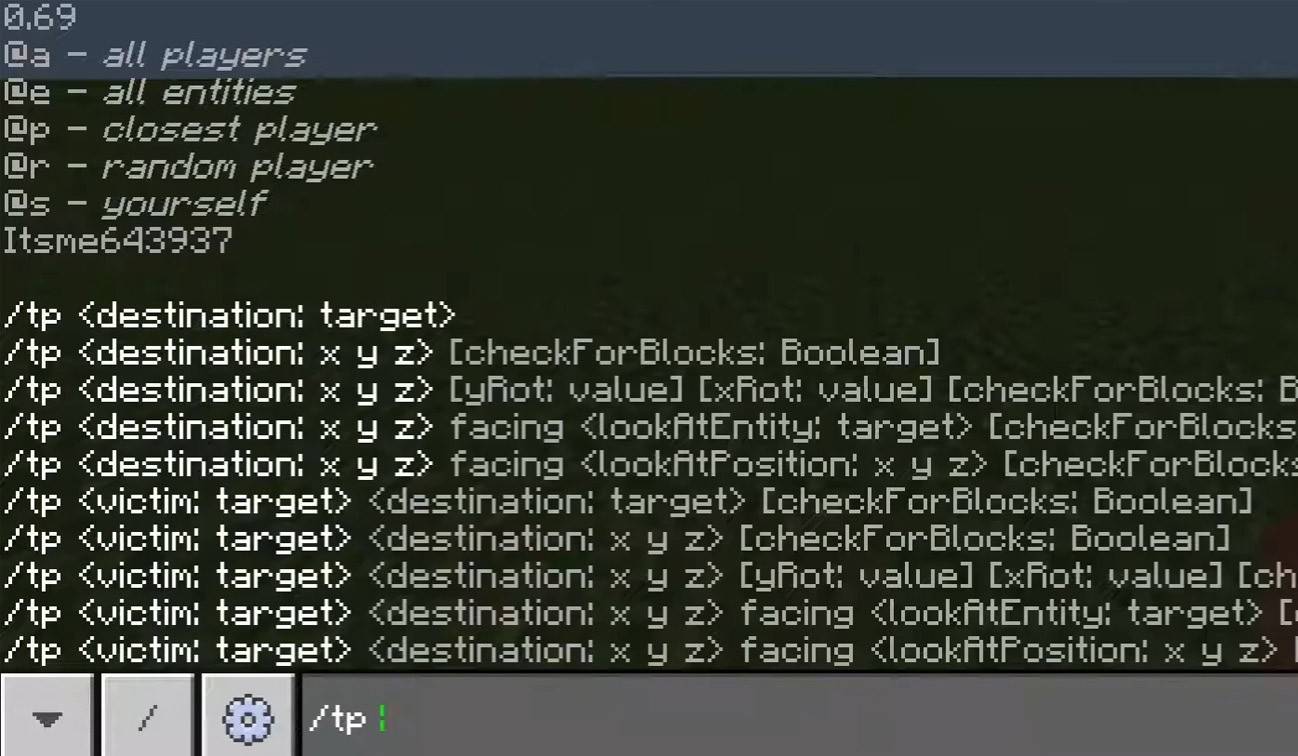 Image: youtube.com
- "Chat won’t open" — try changing the key in the control settings;
- "I can't write in chat" — you might be muted, or chat might be disabled in the game settings;
- "Commands aren’t working" — check if you have the necessary permissions on the server;
- "How to hide the chat?" — you can disable it in the settings or use the /togglechat command.
Text formatting
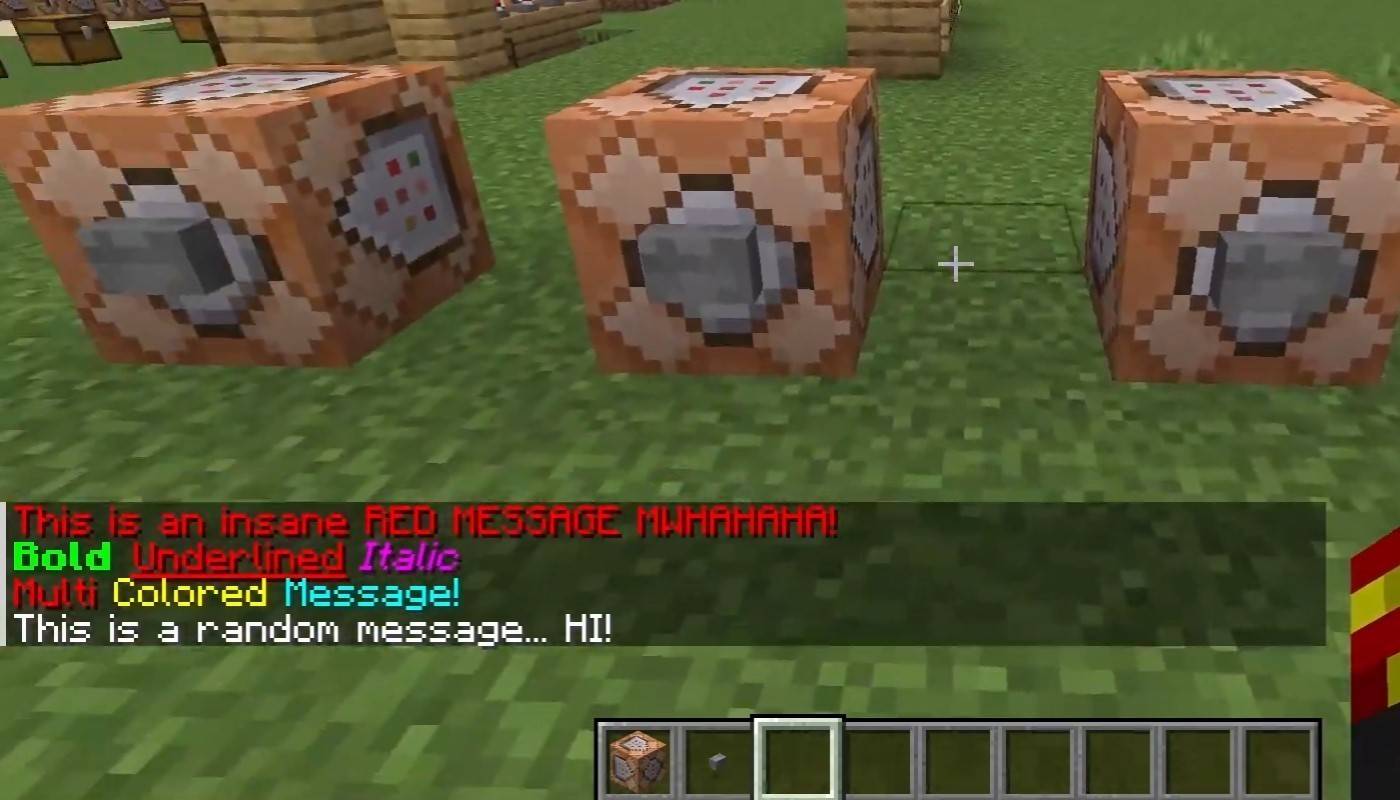 Image: youtube.com
On servers that support text formatting, you can enhance your messages with the following codes:
- "&l" — bold text;
- "&o" — italic;
- "&n" — underlined;
- "&m" — strikethrough;
- "&r" — reset formatting.
System messages
The chat displays various system notifications, including player join and leave messages, achievement notifications like "Player has obtained a diamond pickaxe", server announcements, news, events, changes, and command errors, such as "You do not have permission". It also shows executed command outcomes and game status updates. Administrators and moderators often use the chat to communicate important changes or server rules to players.
Useful commands
- "/ignore" — ignore messages from a player;
- "/unignore" — remove a player from the ignored list;
- "/chatslow" — slow down the chat (limit on message sending);
- "/chatlock" — temporarily disable the chat.
Chat settings
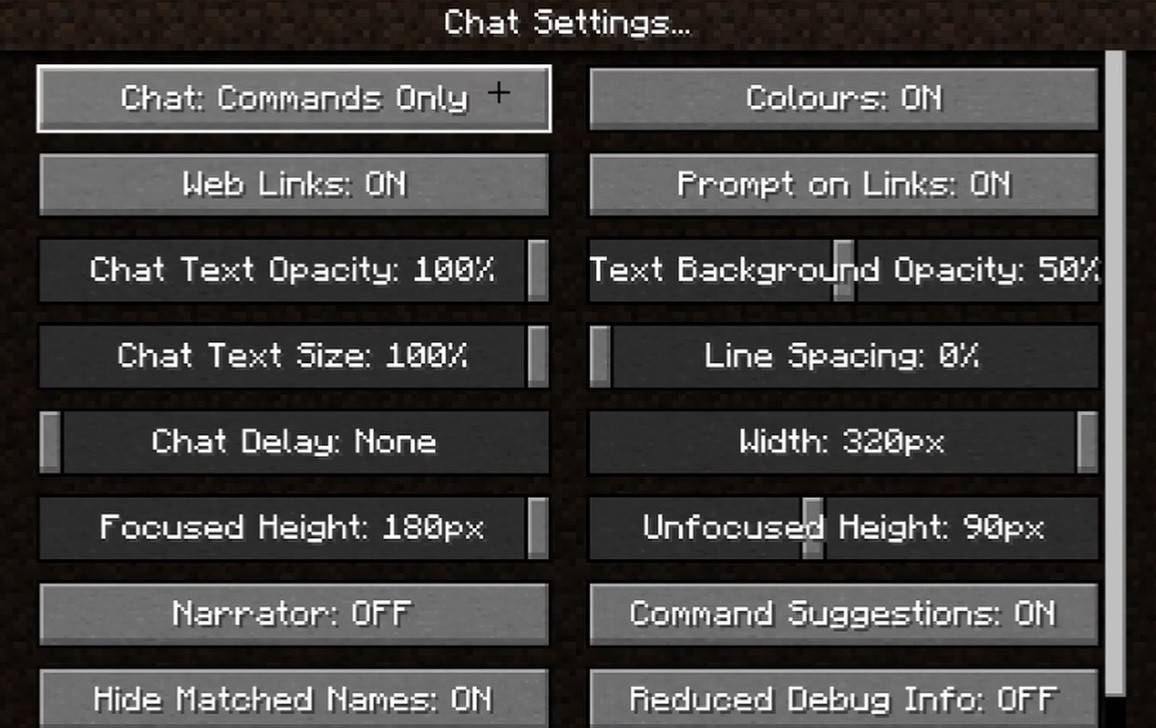 Image: youtube.com
The "Chat and Commands" menu allows you to toggle the chat on or off, adjust font size and background transparency, and configure the profanity filter (in Bedrock Edition). You can also manage the display of command messages and alter text color. Some versions offer the ability to filter chats by message type, enhancing the overall gaming experience.
Differences between Java and Bedrock Edition
Bedrock Edition features slight variations in commands, such as the different functionality of "/tellraw". In newer Java Edition versions, Mojang has introduced message filtering and a requirement to confirm sending messages.
Chat on custom servers
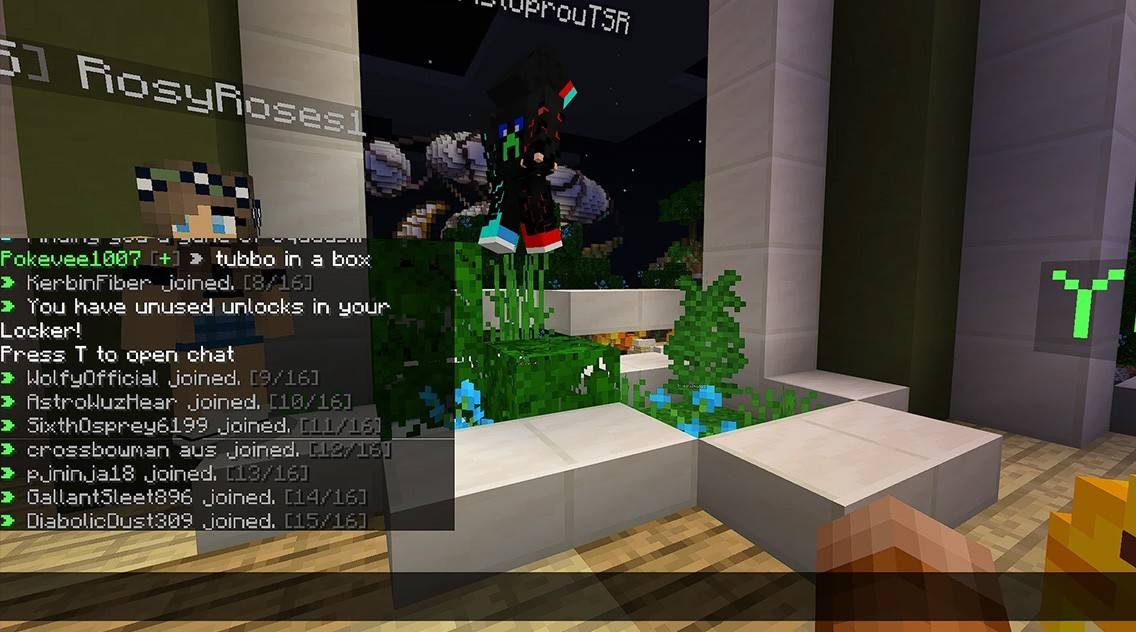 Image: youtube.com
Custom servers often utilize auto-announcements to remind players of rules, events, and other pertinent information. Message filters are common to block spam, ads, profanity, and insults. Large servers might offer additional chat options, such as trade, clan, or faction chats, to enhance player interaction and community building.
In conclusion, Minecraft's chat system not only facilitates communication but also aids in gameplay management. It is highly customizable, offering a range of commands and features. By mastering the basics, players can effectively engage with others and fully utilize the chat system's potential.