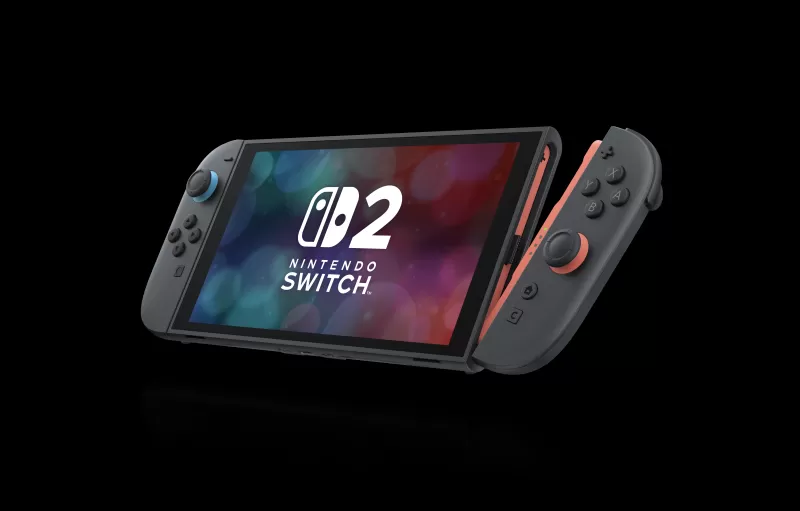
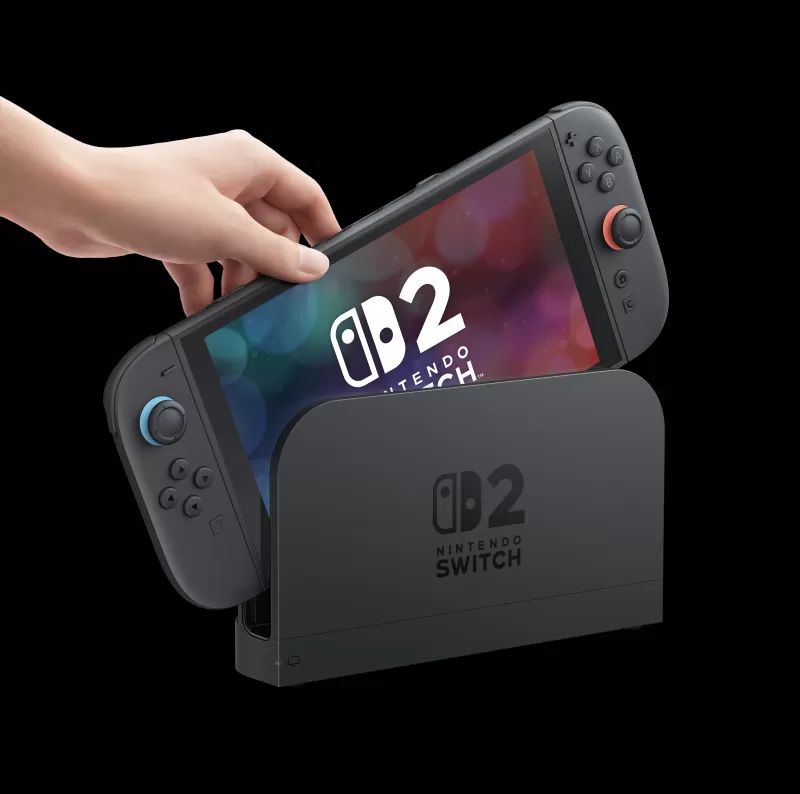
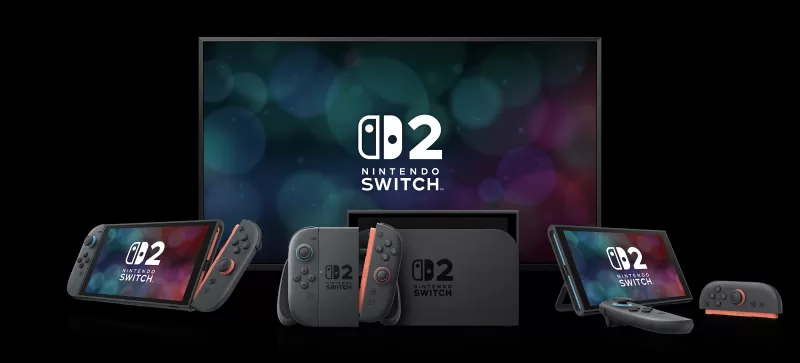
The U.S. gaming community has been on a wild ride this week, starting with the full reveal of the Nintendo Switch 2 and its array of exciting games. However, the excitement quickly turned to concern when the system's $450 price tag and the $80 price for Mario Kart Tour were announced. The roller coaster continued as Nintendo decided to delay pre-orders, aiming to assess the impact of the Trump Administration's sudden and sweeping tariffs on global trade.
We've explored the reasons behind the Nintendo Switch 2's high initial cost and the potential effects of these new tariffs on the gaming industry elsewhere. The burning question now is: what will Nintendo do next? Will the Nintendo Switch 2's price increase when pre-orders eventually open?
Typically, to answer such industry-related queries, I consult with a panel of expert analysts. While they can't predict the future with certainty, they usually provide a well-informed consensus based on evidence and data. This week alone, I've sought their insights twice. However, this time, every analyst I spoke with was stumped, highlighting the unprecedented nature of the situation. Some guessed that Nintendo might raise prices, while others thought they might hold steady, but all emphasized the current chaos and unpredictability.
Here's a summary of what the analysts had to say:
Sky-High Switch
Analysts were divided on whether Nintendo would raise prices. Dr. Serkan Toto, CEO of Kantan Games, initially believed it was too late for Nintendo to adjust prices after their announcement. However, the delay changed his perspective, suggesting that Nintendo might have no choice but to increase prices for the system, games, and accessories due to the tariffs. He speculated that the base model could hit $500, and questioned Nintendo's decision not to wait for clarity on the tariffs before setting prices.
Mat Piscatella, senior analyst at Circana, also predicted a likely increase in game prices, including those from Nintendo, but noted the unpredictability of the situation. He mentioned that the tariffs were higher than anticipated, forcing businesses reliant on international supply chains to reevaluate their U.S. pricing. Piscatella suggested that the U.S. might see higher video game prices similar to other regions globally.
Manu Rosier, director of market analysis at Newzoo, predicted an increase in hardware prices due to the tariffs, but suggested that the impact on software might be limited due to the growing dominance of digital distribution.
Holding the Line
On the other hand, Joost van Dreunen, NYU Stern professor and author of SuperJoost Playlist, believed that Nintendo would try hard to avoid raising prices. He argued that the $449.99 price point for the Switch 2 already accounted for potential economic challenges, including tariffs. However, he acknowledged that ongoing trade disputes could force Nintendo to reconsider if the situation worsened.
Piers Harding-Rolls, a games researcher at Ampere Analysis, agreed, noting that Nintendo risked consumer backlash if it raised prices further. He suggested that Nintendo would likely keep the announced price until at least 2026, hoping for a resolution to the tariff issue in the coming weeks. Harding-Rolls emphasized that any price change could impact the brand and consumer perception at launch, particularly during the crucial first holiday season.
Living in Unhinged Times
Rhys Elliott, games analyst at Alinea Analytics, predicted higher prices for both Nintendo hardware and software due to the tariffs. He referenced his previous comments about Nintendo's strategy of offering cheaper digital editions in certain markets to encourage digital purchases. Elliott painted a grim picture of the broader impact of the tariffs on the gaming industry, suggesting that consumers would ultimately bear the cost. He criticized the tariffs as detrimental to the U.S. economy and consumer well-being, driven by misguided policies.
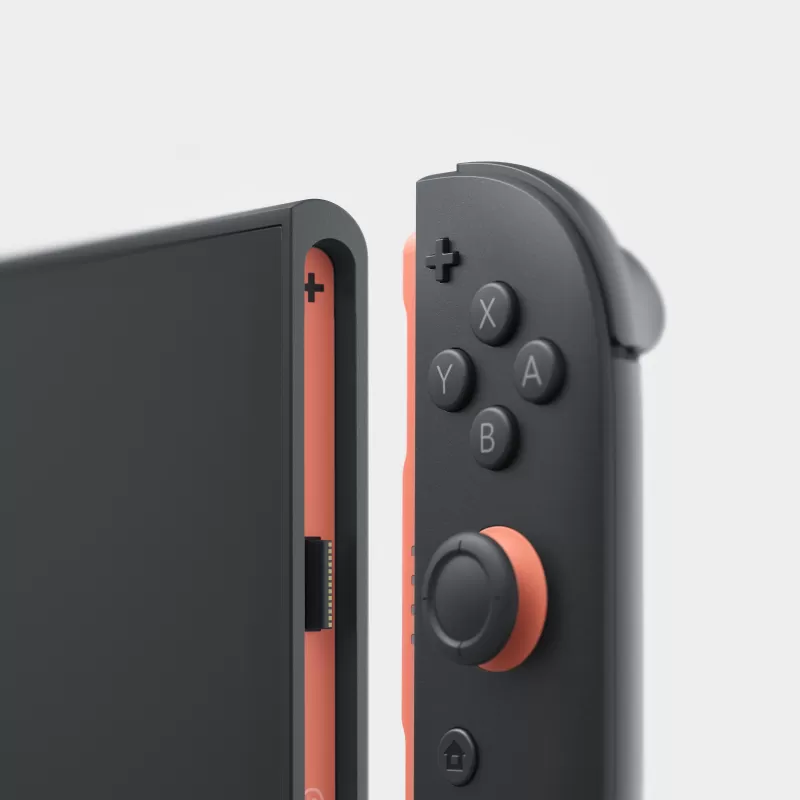
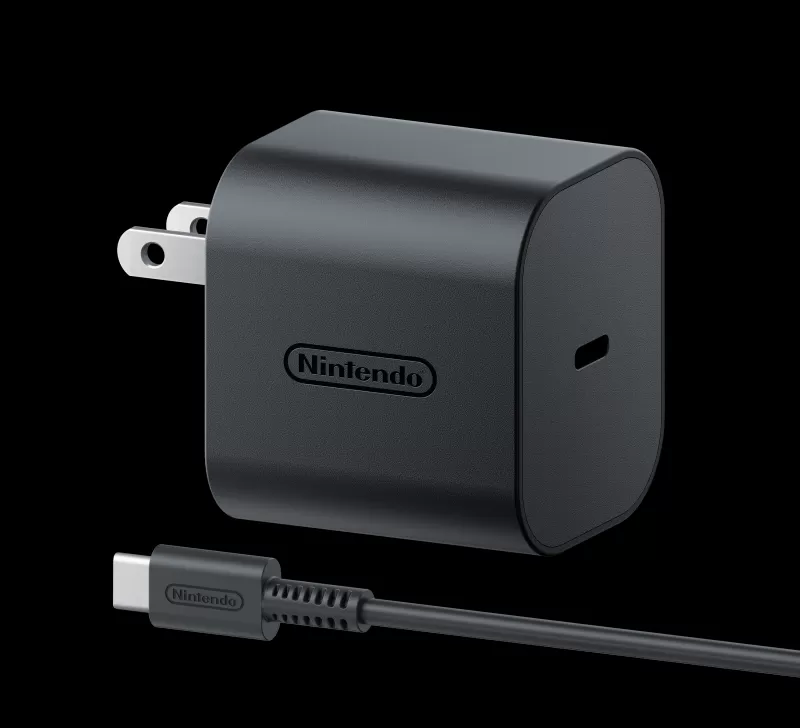
Nintendo Switch 2 System and Accessories Gallery
 91 Images

Elliott further elaborated on the broader economic implications, stating that tariffs harm the economy by contradicting the principles of comparative advantage in international trade. He criticized the current administration's policies as detrimental to consumers and the gaming industry, driven by a populist agenda rather than economic well-being.