
The 1970s were a period of significant change for Marvel Comics. While many iconic characters and storylines debuted then (like "The Night Gwen Stacy Died" and Doctor Strange's encounter with God), the 1980s witnessed some of Marvel's greatest creators crafting landmark runs on its most popular titles. This era saw the rise of Frank Miller's Daredevil, John Byrne's Fantastic Four, David Michelinie's Iron Man, and the peak of Chris Claremont's X-Men, with Roger Stern's Amazing Spider-Man and Walt Simonson's Thor soon to follow. These creators significantly shaped the enduring legacy of these characters.
The 1980s could arguably be considered Marvel's true golden age. This installment, Part 7, explores essential Marvel issues from this period.
Key Marvel Moments: A Continued Exploration
- 1961-1963: The Birth of a Universe
- 1964-1965: The Sentinels Emerge, and Captain America's Demise
- 1966-1969: Galactus's Reshaping of the Marvel Universe
- 1970-1973: The Night Gwen Stacy Died
- 1974-1976: The Punisher's War on Crime Begins
- 1977-1979: Star Wars Rescues Marvel from Financial Ruin
The Dark Phoenix Saga and Other X-Men Classics
Chris Claremont's transformative X-Men run began in 1975, but its most celebrated stories appeared in the early 1980s. The Dark Phoenix Saga (X-Men #129-137) is arguably the most famous X-Men tale, showcasing Jean Grey's corruption by the cosmic entity, turning her into the Dark Phoenix and a formidable adversary. This epic, illustrated and co-plotted by John Byrne, introduces Kitty Pryde (Shadowcat), Emma Frost, and Dazzler. Jean Grey's sacrifice, despite her eventual return, remains a poignant moment. While film adaptations haven't fully captured its essence, animated series like X-Men: The Animated Series and Wolverine & the X-Men have fared better.
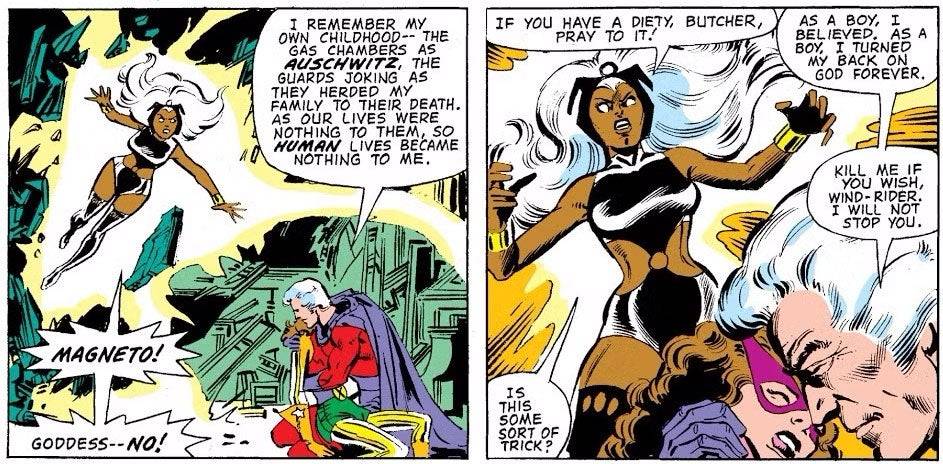
Days of Future Past (X-Men #141-142), featuring the mutant-hunting Sentinels (first introduced in 1965), depicts adult Kitty Pryde traveling back in time to prevent an event that leads to a dystopian future. This pivotal story, adapted in X-Men: Days of Future Past (2014) and Wolverine & the X-Men, remains highly influential. X-Men #150 reveals Magneto's Holocaust survivor backstory, a defining moment that shaped his character's evolution.
The Debuts of Rogue, She-Hulk, and the New Mutants
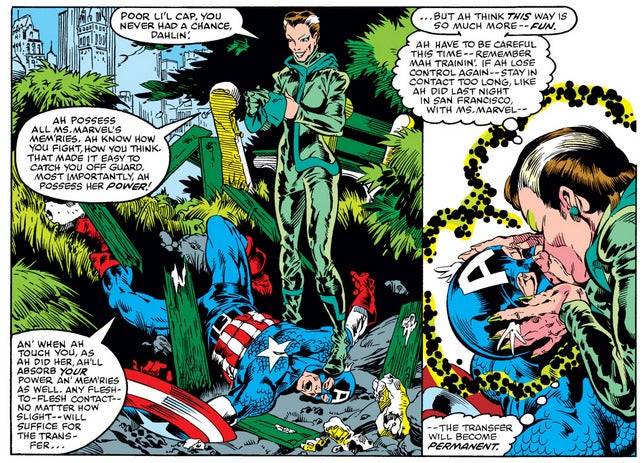
Several significant characters emerged in the 1980s, including prominent female heroes. Rogue, initially a villain in Avengers Annual #10, debuted as part of Mystique's Brotherhood, absorbing Carol Danvers' powers. This issue also highlighted Carol's confrontation with the Avengers over their inaction regarding her previous trauma.
She-Hulk (Jennifer Walters), co-created by Stan Lee, debuted in Savage She-Hulk #1 as Bruce Banner's cousin, gaining powers after a blood transfusion. While her initial solo series wasn't highly regarded, her later appearances with the Avengers and Fantastic Four solidified her character. Tatiana Maslany portrayed She-Hulk in the MCU series.
The New Mutants, Marvel's first X-Men spin-off, debuted in Marvel Graphic Novel #4 before getting their own series. This team of teenage mutants, including Cannonball, Sunspot, Karma, Wolfsbane, and Dani Moonstar (Mirage), later added Illyana Rasputina (Magik). A version of this team (excluding Karma) appeared in the 2020 New Mutants film.
Landmark Storylines for Daredevil, Iron Man, and Captain America
Daredevil #168 marks the start of Frank Miller's defining run, introducing Elektra and a gritty reinvention of Daredevil's mythology. This two-year saga established Kingpin as a major nemesis, introduced Stick, featured Daredevil's first encounter with the Punisher, and culminated in the infamous death of Elektra (later resurrected). This run heavily influenced the 2003 film and the 2015 Netflix series.
Iron Man #149-150, "Doomquest," from David Michelinie and Bob Layton, depicts Iron Man's first solo battle with Doctor Doom, transporting them to Arthurian times. This arc solidified Doom's place in Iron Man's rogues gallery.
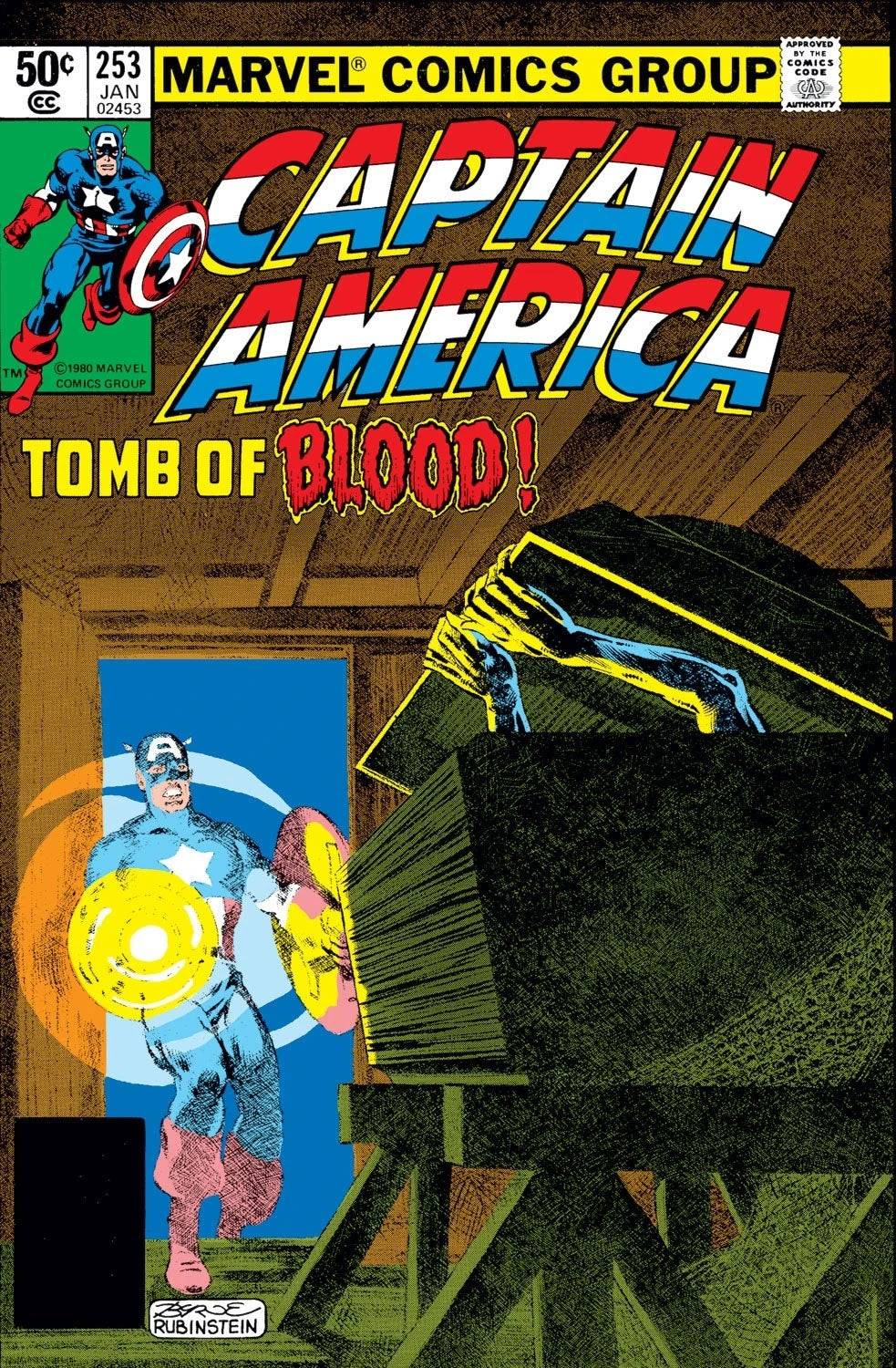
Captain America #253-254, featuring Captain America's confrontation with Baron Blood, a Nazi vampire, stands out as a darker, more intense storyline from Roger Stern and John Byrne's run.
Moon Knight's Rise and the Genesis of G.I. Joe
Moon Knight #1, while not his first appearance (Werewolf by Night #32), solidified his heroic identity, revealing his backstory and introducing his alternate personalities. This issue laid the groundwork for his future stories.
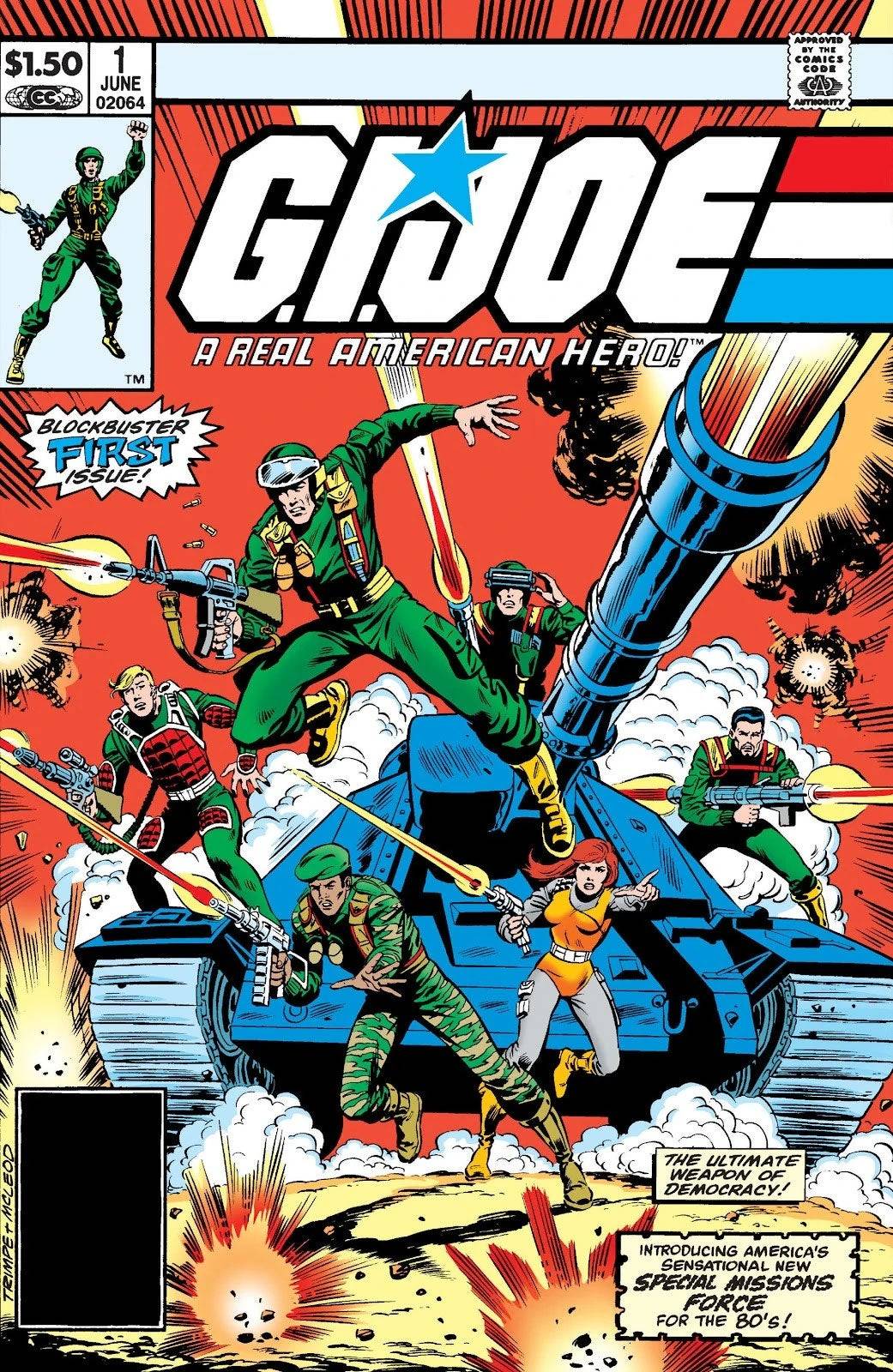
G.I. Joe #1, though not solely a Marvel creation, owes its existence largely to Marvel. Marvel editor Archie Goodwin conceived Cobra, and Larry Hama developed most of the characters, including Scarlett, Snake Eyes, Storm Shadow, Lady Jaye, and the Baroness. Hama's work made G.I. Joe a popular title, particularly among female readers due to its equitable portrayal of female characters.