
Unlocking the Power of Google Chrome's Translation Features: A Comprehensive Guide
This guide provides a detailed walkthrough on efficiently translating web content using Google Chrome, covering whole-page translation, selected text translation, and personalized translation settings. Mastering these techniques will eliminate language barriers and enhance your multilingual web browsing experience.
Step 1: Accessing the Settings Menu
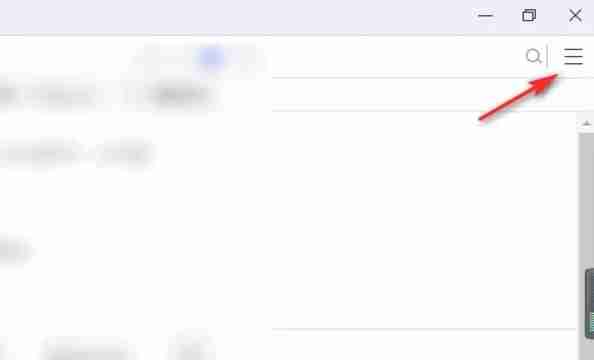
Locate and click the Chrome menu (usually represented by three vertical dots or three horizontal lines) in the upper right-hand corner of your browser window.
Step 2: Navigating to Settings
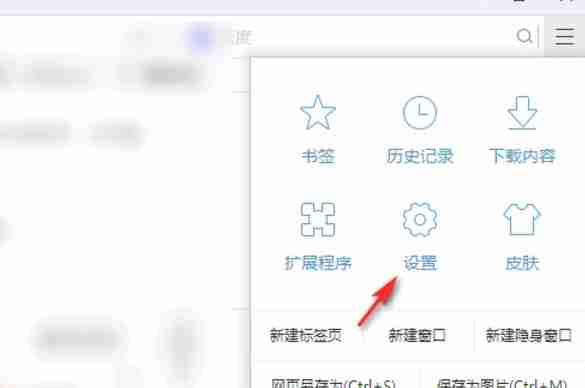
In the dropdown menu, select the "Settings" option. This will open your browser's settings page.
Step 3: Locating Translation Settings
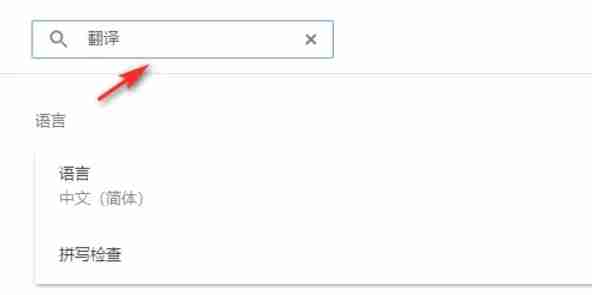
At the top of the settings page, utilize the search bar. Enter "Translate" or "Language" to quickly find the relevant settings.
Step 4: Accessing Language Settings
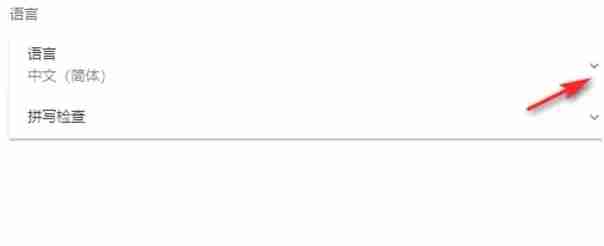
Once located, click on the "Languages" or "Translation" option.
Step 5: Managing Languages
The language settings page displays a list of supported languages. Here, you can add, remove, or rearrange languages.
Step 6: Enabling Automatic Translation
Crucially, ensure the option "Offer to translate pages that aren't in a language you read" is enabled. This ensures Chrome automatically prompts you to translate pages in languages other than your default.
By following these steps, you can fully leverage Google Chrome's translation capabilities for a seamless multilingual browsing experience.