
The relentless march of technology sees us upgrading our gadgets every few years – iPhones, processors, graphics cards – with older hardware often resold or discarded. Yet, surprisingly, many outdated devices remain functional and even crucial in unexpected ways. Here are eight examples of vintage tech proving its enduring relevance:
Table of Contents
- Retro Computers Mining Bitcoin
- A Reliable Mechanic's Assistant Since the '80s
- Vintage Tech as a Bakery POS System
- Outdated Systems Managing Nuclear Arsenals
- Windows XP Powers Multi-Billion Dollar Aircraft Carrier
- Critical Airport Infrastructure Fails Due to Legacy Software
- Classic Hardware Used for Cutting-Edge Research
- Nostalgia Keeps Old Systems Alive
 Image: x.com
Retro Computers Mining Bitcoin: A Commodore 64 (1982) was shown to mine Bitcoin, albeit incredibly slowly (0.3 hashes per second). Similarly, a Game Boy (1989) connected to a Raspberry Pi Pico achieved 0.8 hashes per second – both drastically slower than modern hardware. These experiments highlight the sheer processing power advancements.
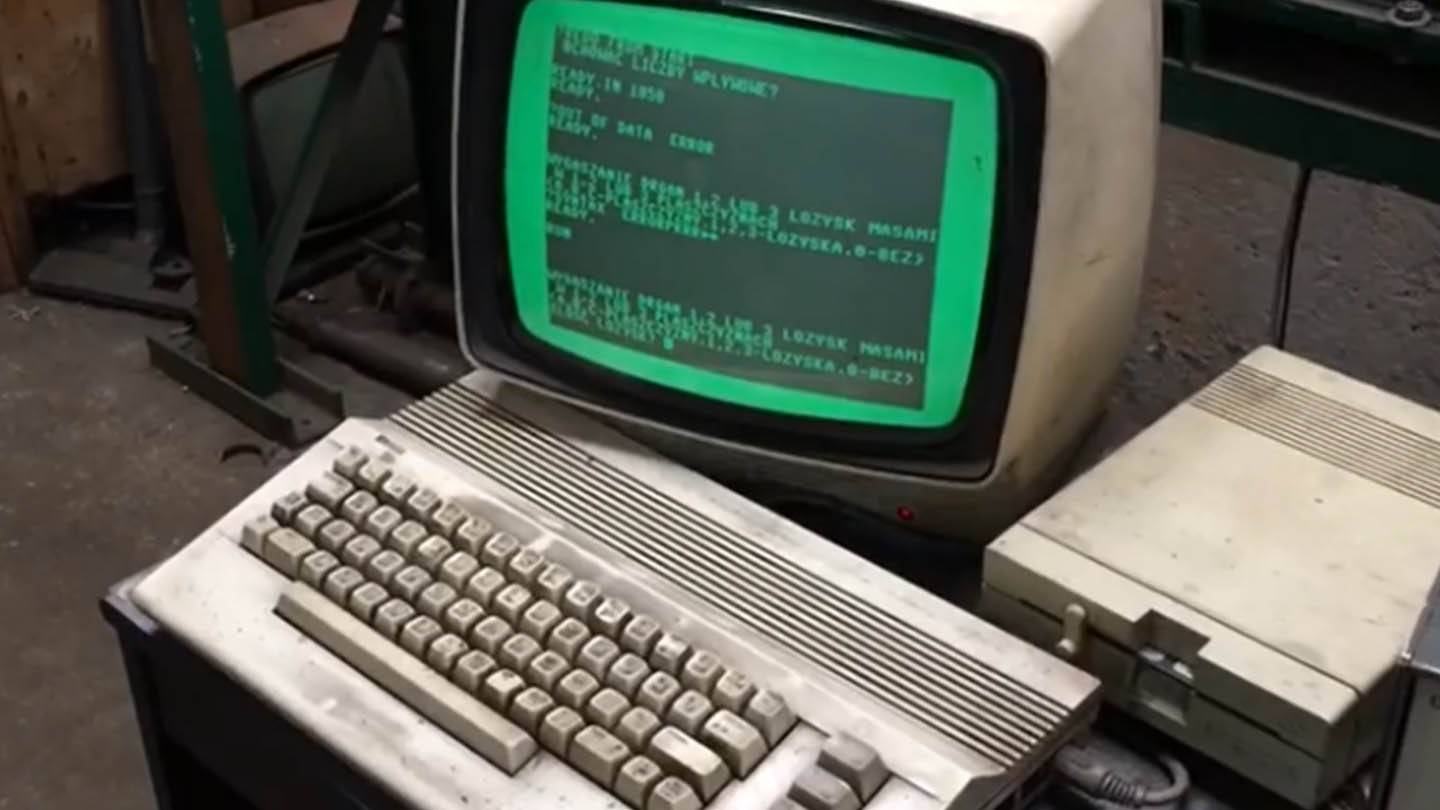 Image: x.com
A Reliable Mechanic's Assistant Since the '80s: A Commodore 64C in Gdansk, Poland, has aided mechanics for over 30 years, even surviving a flood. Its simple software flawlessly handles drive shaft calculations, demonstrating the longevity of robust, uncomplicated technology.
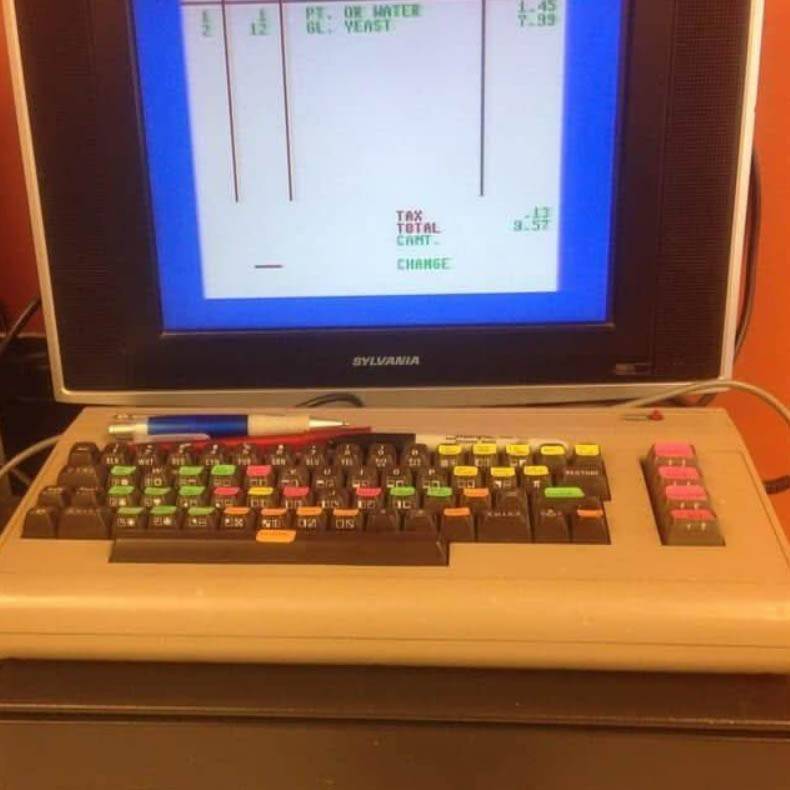 Image: x.com
Vintage Tech as a Bakery POS System: An Indiana bakery still uses a Commodore 64 as its POS system. Nicknamed the "breadbox," its reliability surpasses modern systems prone to software updates, requiring only occasional label changes for baked goods.
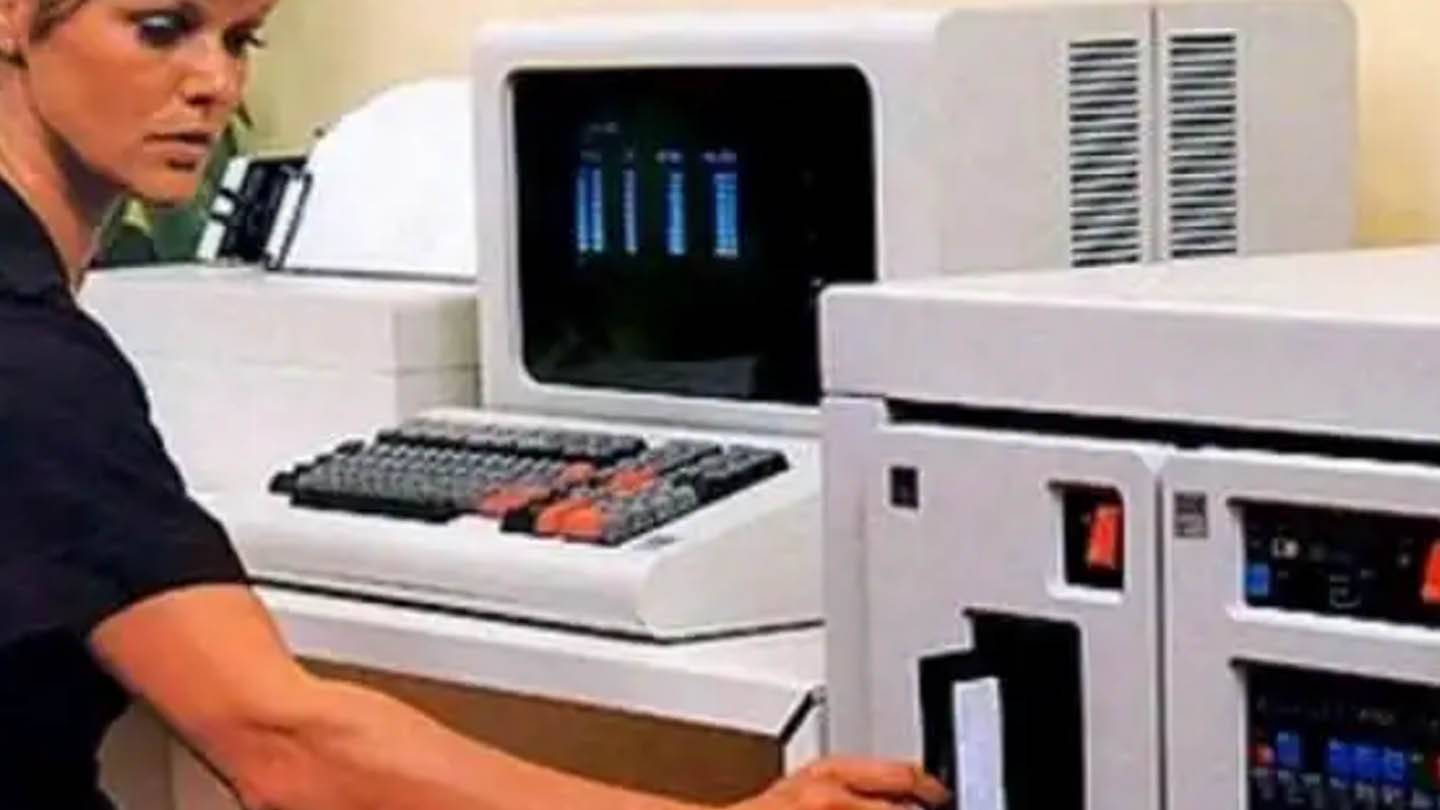 Image: x.com
Outdated Systems Managing Nuclear Arsenals: The US manages part of its nuclear arsenal using an IBM computer from 1976, relying on 8-inch floppy disks. Similarly, German Brandenburg-class frigates utilize this outdated storage. While modernization is planned, the existing systems' reliability ensures their continued use.
 Image: x.com
Windows XP Powers Multi-Billion Dollar Aircraft Carrier: The HMS Queen Elizabeth, a multi-billion dollar aircraft carrier, operates on Windows XP (support ended 2014). The Royal Navy assures security measures are in place, but the reliance on outdated software remains noteworthy. This also applies to Britain's Vanguard-class submarines.
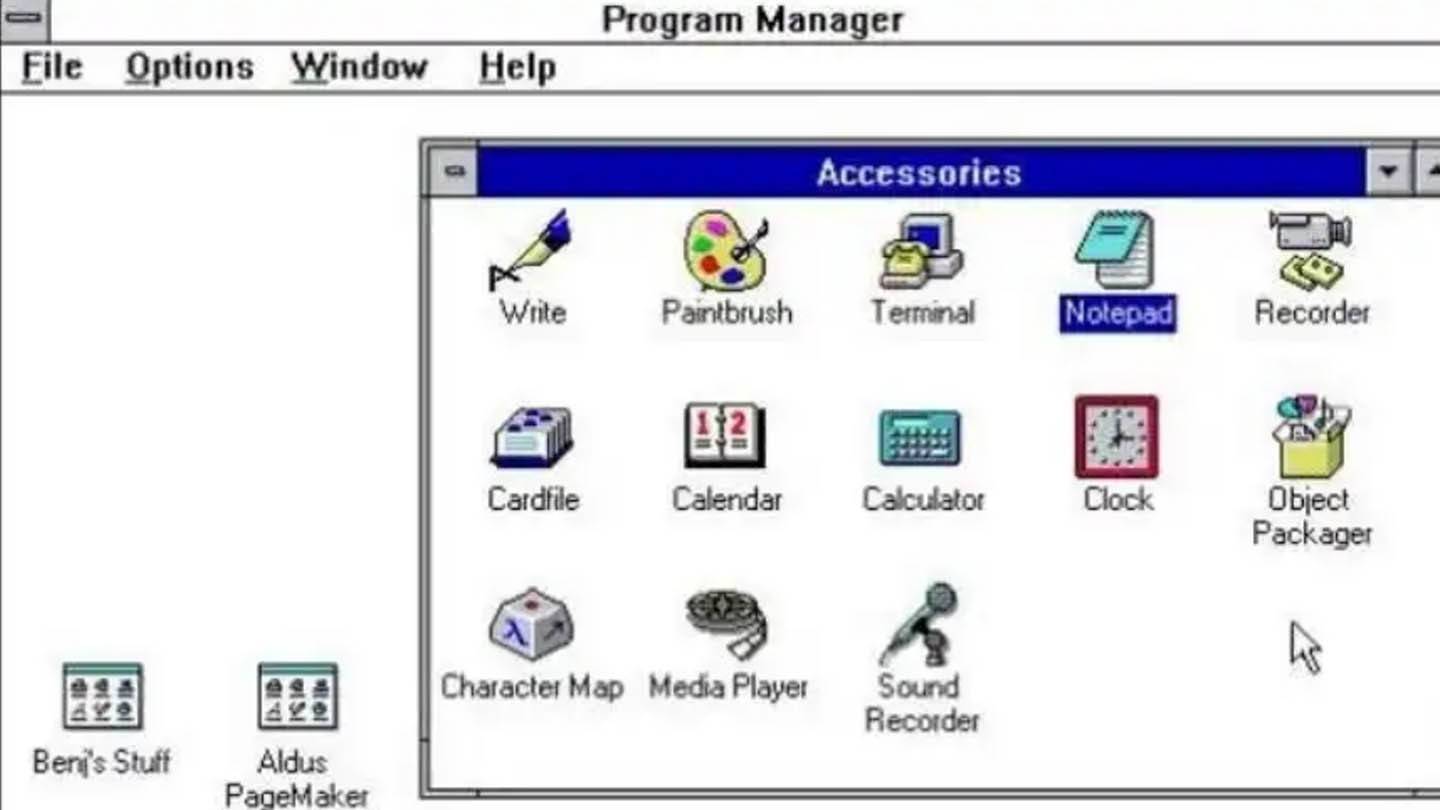 Image: x.com
Critical Airport Infrastructure Fails Due to Legacy Software: A 2015 incident at Paris Orly Airport saw a system crash due to a Windows 3.1 (1992) failure, highlighting the risks of relying on obsolete software in critical infrastructure.
Classic Hardware Used for Cutting-Edge Research: Retro computers, including the Commodore 64, find use in educational settings and scientific research for teaching basic programming concepts and simulating simple experiments due to their straightforward nature.
Nostalgia Keeps Old Systems Alive: Beyond practicality, many organizations maintain legacy systems due to familiarity, established workflows, or the cost of upgrading.
These examples demonstrate the surprising resilience of older technology. While modernization is inevitable, these systems highlight the enduring value of simplicity and reliability.