
In *Monster Hunter Wilds*, the dynamic interplay of seasons and weather in the Forbidden Lands significantly influences both the game's visuals and gameplay mechanics. Here's a comprehensive guide to understanding and navigating these elements in *Monster Hunter Wilds*.
Monster Hunter Wilds Seasons, Explained
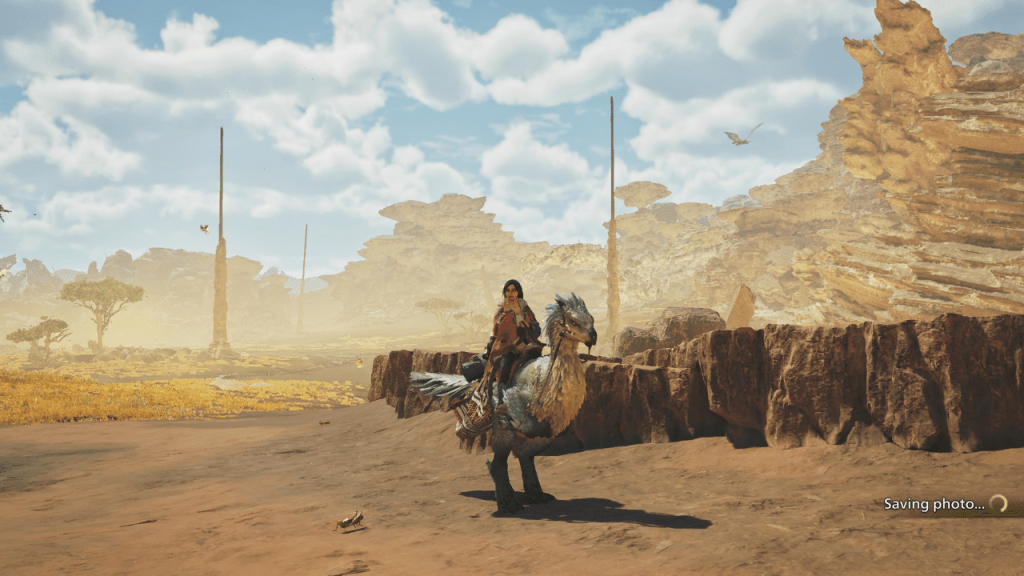
*Monster Hunter Wilds* features two distinct seasons that govern the weather patterns in the Forbidden Lands: Fallow and Plenty. The game begins in the Fallow season, characterized by a harsh environment with severe weather conditions and scarce resources. This scarcity leads to heightened aggression among monsters, who are more likely to engage in combat with each other, making the gameplay more challenging.
In contrast, the Season of Plenty offers a more favorable environment with warmer temperatures and an abundance of flora, which transforms the landscape into a vibrant and colorful setting. During this season, smaller monsters exhibit less hostility and are less likely to travel in packs. The abundance of Endemic Life and various plants during Plenty makes it a time of celebration for both the villagers and players of *Monster Hunter Wilds*.
Between these seasons, players will encounter brief but intense weather events known as Inclemency. These events amplify the weather's intensity and set the stage for dramatic battles against Apex Predators. For instance, the Pinnacle of the Pack Assignment challenges Hunters to face the Alpha Doshaguma during Sandtide, a fierce sandstorm accompanied by lightning. Throughout *Monster Hunter Wilds*, players will experience various unique weather events during encounters with Apex Predators.
How To Check the Seasons and Weather in Monster Hunter Wilds
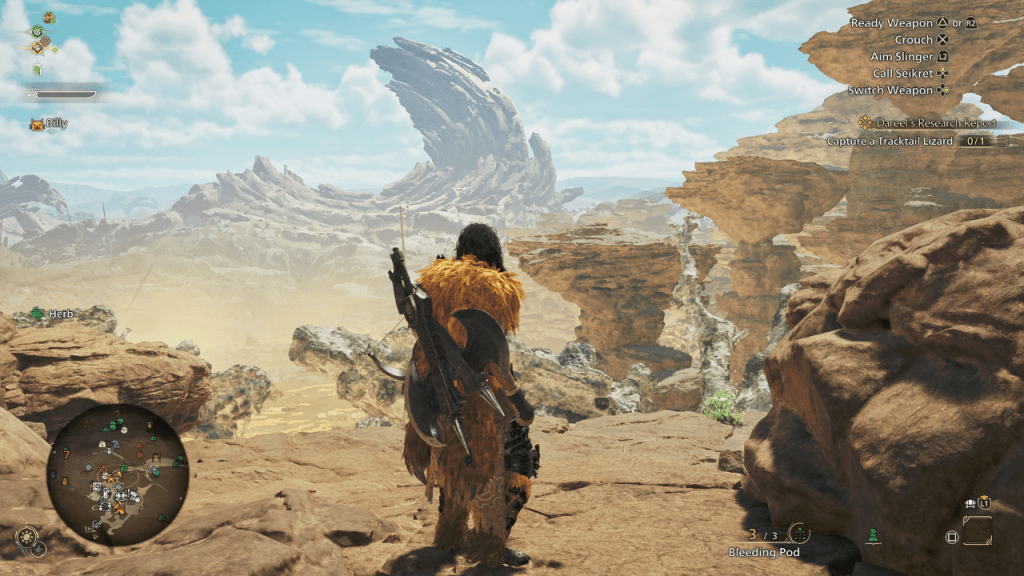
To stay informed about the current season and weather, players can utilize the HUD and map features in *Monster Hunter Wilds*. The HUD displays icons in the bottom left corner indicating the time of day and season. For a more detailed view, players can access the map and press the prompted button to view the Environment Overview, which provides comprehensive information on the current weather and season.
Additionally, Optional Quests in *Monster Hunter Wilds* are set in specific times of day and seasons. When embarking on these quests, players will temporarily experience the designated environment, regardless of the current season in the main game.
How To Change the Season and Weather in Monster Hunter Wilds
Given the significant impact of seasons on the flora and fauna within the Forbidden Lands, players may find it advantageous to switch between Fallow and Plenty depending on their objectives. Fortunately, *Monster Hunter Wilds* allows players to change the season and weather.
To do so, players must set up their tent and rest. Within the tent, navigate to the BBQ Menu and select the Rest option. Here, players can adjust the Environment and Time settings for when their Hunter wakes up.
However, resting in *Monster Hunter Wilds* incurs a cost of 300 Guild Points and is only available to High Rank Hunters. It's important to note that resting cannot be done during an active quest.
This guide covers everything you need to know about the seasons and weather in *Monster Hunter Wilds*. Whether you're strategizing for hunts or simply enjoying the dynamic environment, understanding these elements will enhance your gameplay experience.
*Monster Hunter Wilds* is now available on PlayStation, Xbox, and PC.