The evolution of horror games has led to innovative ways of creating tension and fear. Familiar mechanics often become predictable, making game design, narrative, and storyline crucial for impact. While truly groundbreaking titles are rare, a fascinating subgenre, which we'll call "meta-horror," stands out. Meta-horror games directly interact with the player, blurring the lines between the game world and reality. This interaction, when executed well, elevates the gaming experience to a new level.
The concept of breaking the fourth wall isn't new. Psycho Mantis in Metal Gear Solid, for example, famously asked players to put down their controllers, a revolutionary move in 1998. Hideo Kojima further enhanced this by utilizing the DualShock controller's features to reveal player data and heighten the tension.
While many games since have incorporated this fourth-wall breaking, often it's a superficial addition. Unless the interaction is integral to the game's surprise and engagement, it remains a mere bonus feature. Games like Deadpool, Detroit: Become Human, and Nier Automata exemplify this trend.
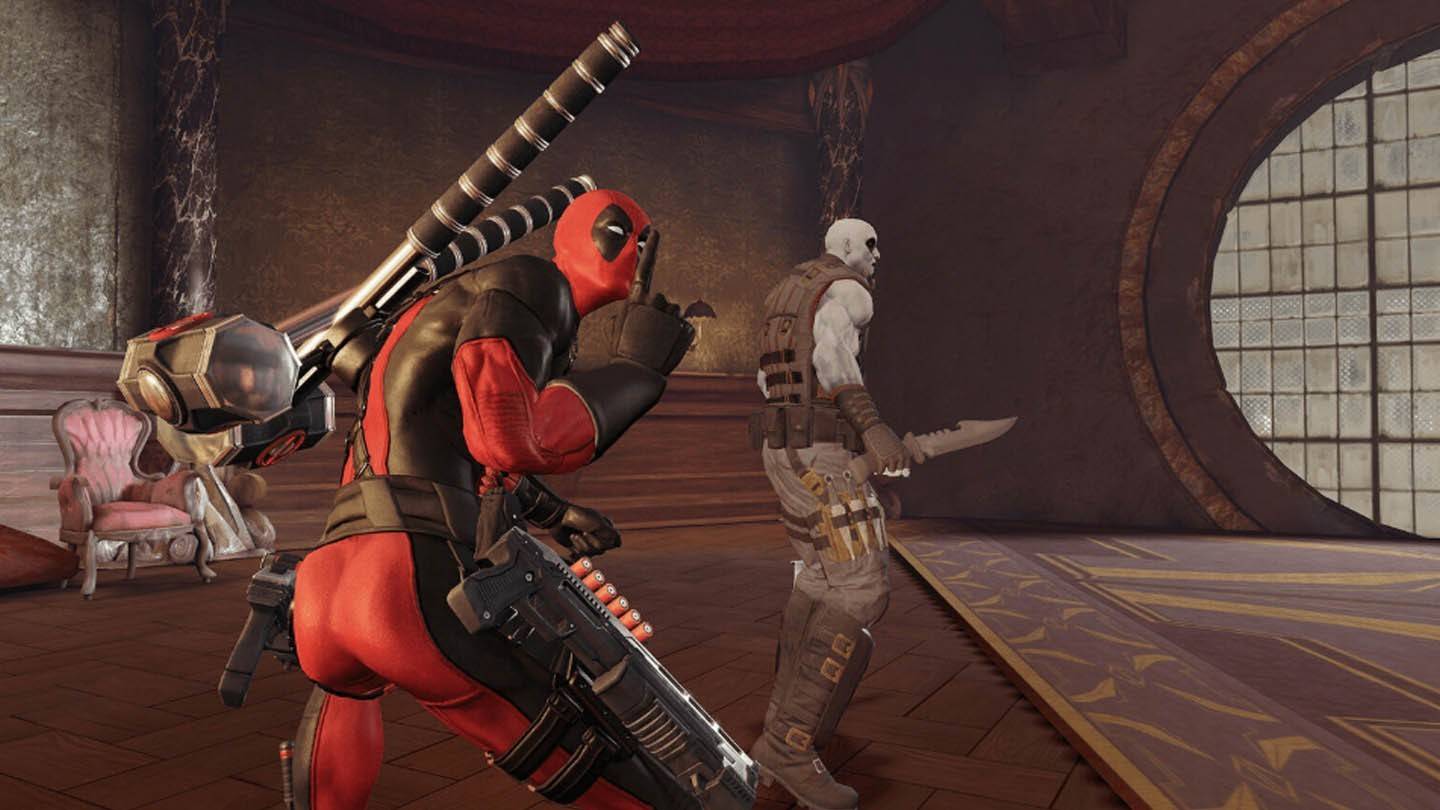
Recently, games like Miside have been categorized as "meta-horror," though their implementation of meta-elements is often limited to player interaction, sometimes hampered by complex game structures. This warrants further discussion in the future.
Let's examine some standout examples of meta-horror:
Doki Doki Literature Club!
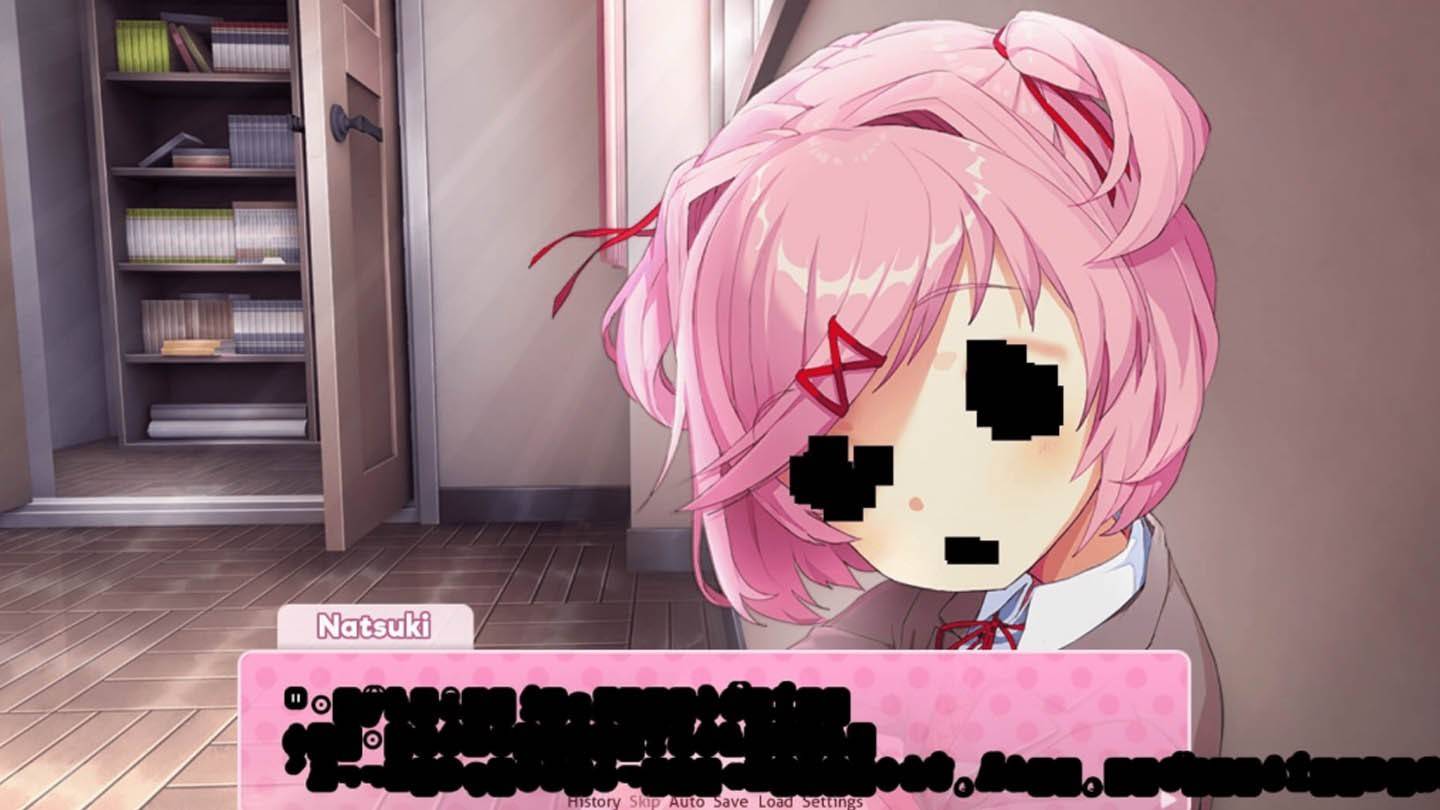
This 2017 visual novel initially presents as a lighthearted romantic comedy, but quickly takes a dark, unsettling turn. Its meta-horror elements extend beyond simple player address; the game interacts with your operating system, creating files and altering your experience in unexpected ways. These actions are both narrative tools and gameplay mechanics. DDLC, while not the originator of this style, significantly popularized it.
OneShot

Moving beyond visual novels, OneShot, an RPG Maker adventure, pushes the boundaries even further. While not explicitly marketed as horror, it incorporates unsettling moments. The game is aware of the player, interacting directly through system windows, creating files, and even altering its own title—all integral to gameplay. Unlike DDLC, OneShot fully integrates these meta-elements into the core experience. For many, it's a defining example of the genre.
IMSCARED

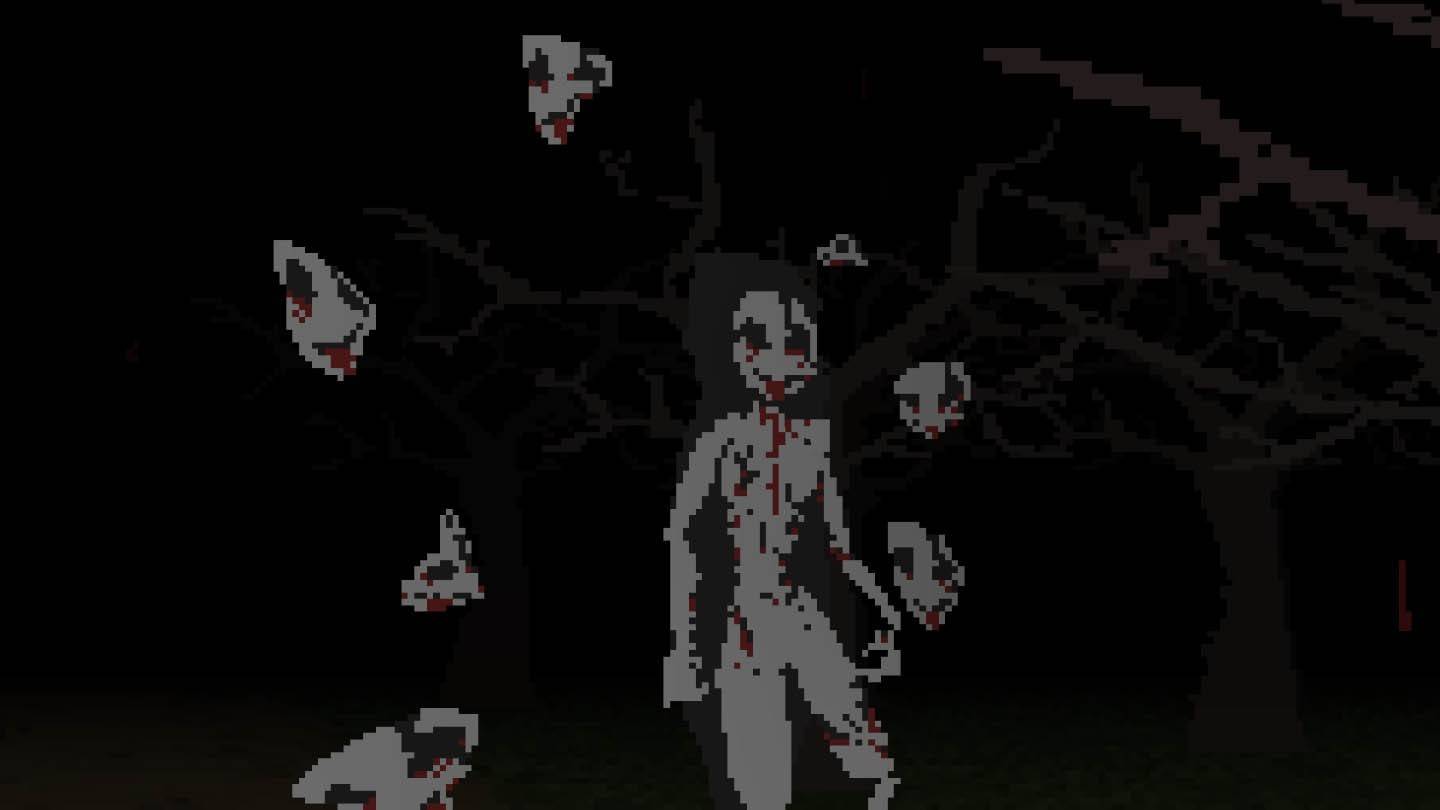
IMSCARED is arguably the pinnacle of meta-horror. Its impact is immediate and unforgettable. The game, while assuring players it's not malicious, interacts with the operating system in significant ways, potentially triggering antivirus warnings. It presents itself not as a game, but as a self-aware entity, a virus interacting with the player. This concept drives the gameplay, manipulating the player through crashes, window minimizations, cursor control, and file creation/deletion. Released in 2012, it remains surprisingly fresh in 2025. Be prepared for frustration, but the unique experience is undeniably worthwhile.
Conclusion
While many games utilize similar techniques, few master them as effectively as these examples. Meta-horror provides a unique and unsettling gaming experience. If you're looking for something truly different, give at least one of these titles a try. If visual novels aren't your preference, OneShot or IMSCARED are excellent starting points. For those who enjoy unpredictable gameplay and survival elements, Voices of the Void offers another compelling option.