Amazon Prime's animated adaptation of Robert Kirkman's Invincible has revitalized interest in the comic book series. Its blend of intense action, multifaceted characters, and morally gray storytelling quickly garnered a devoted fanbase. However, translating the expansive comic narrative to television necessitated changes, some subtle, others more pronounced. This analysis examines key differences between the animated series and the comics, dissects the shortcomings of season three, and explores the impact of these adaptations on the overall narrative.
Table of Contents
- From Page to Screen: Key Differences
- Mark Grayson's Evolution: Accelerated vs. Gradual Growth
- Supporting Characters: Screen Time Shifts
- Antagonists: Streamlined Motivations
- Action Sequences: Enhanced Visuals and Choreography
- Thematic Focus: Morality and Legacy
- Season 3 Critique: A Diminished Impact
- Repetitive Narratives: Familiar Ground Retreaded
- Cecil's Subplot: An Unrealized Potential
- Subdued Action: Lack of Impact
- Slow Start: Delayed Momentum
- Balancing Adaptation and Innovation
- Reasons to Continue Watching (Spoiler Alert!)
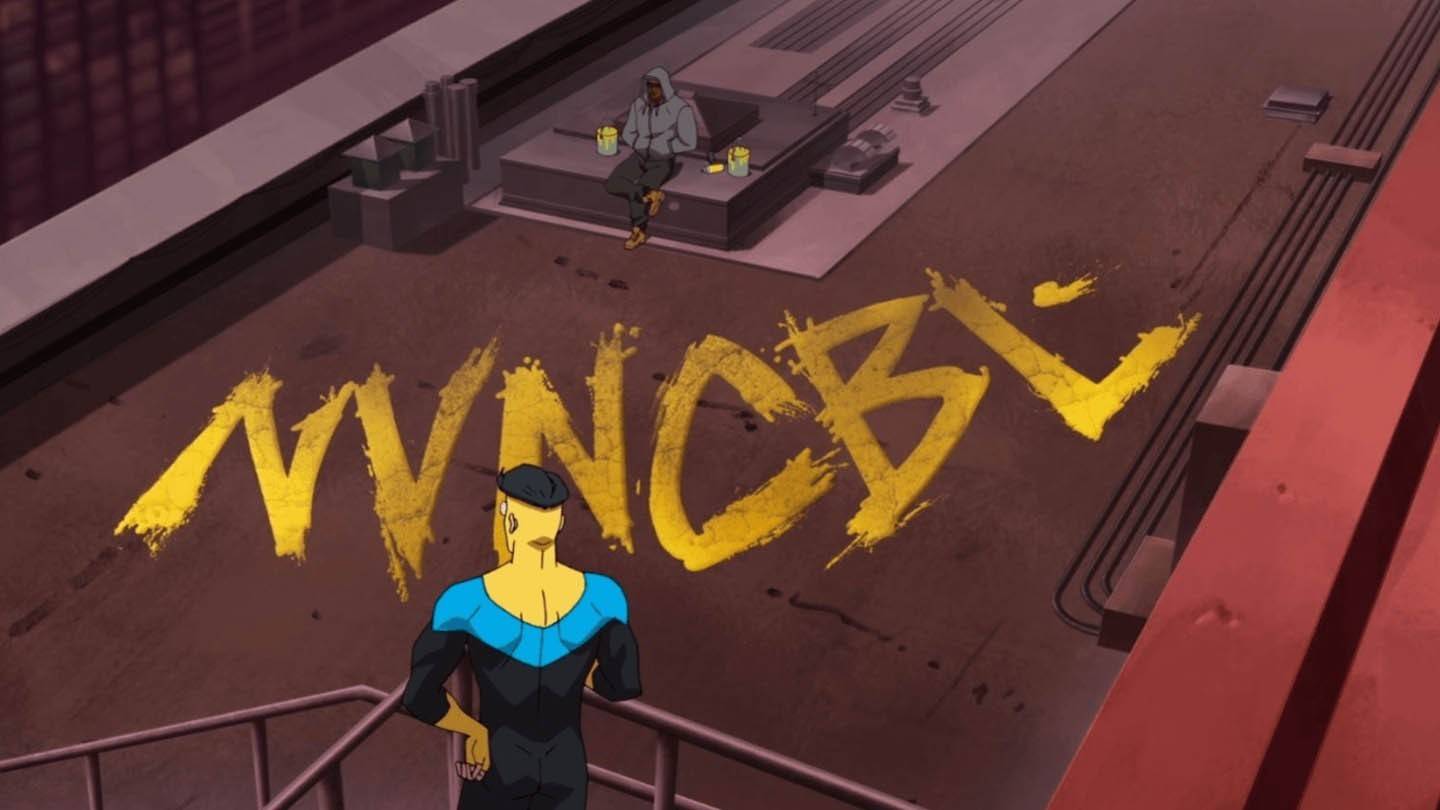 Image: amazon.com
Mark Grayson's Evolution: Accelerated vs. Gradual Growth
A significant divergence lies in Mark Grayson's portrayal. The comics depict a gradual superhero transformation, showcasing his development from power discovery to grappling with heroic complexities. This measured approach allows for a deeper exploration of his arc. The series, conversely, accelerates this process, prioritizing plot urgency at the expense of nuanced character development. While engaging, this compression may leave longtime fans feeling certain aspects of Mark's growth were rushed.
Supporting Characters: Screen Time Shifts
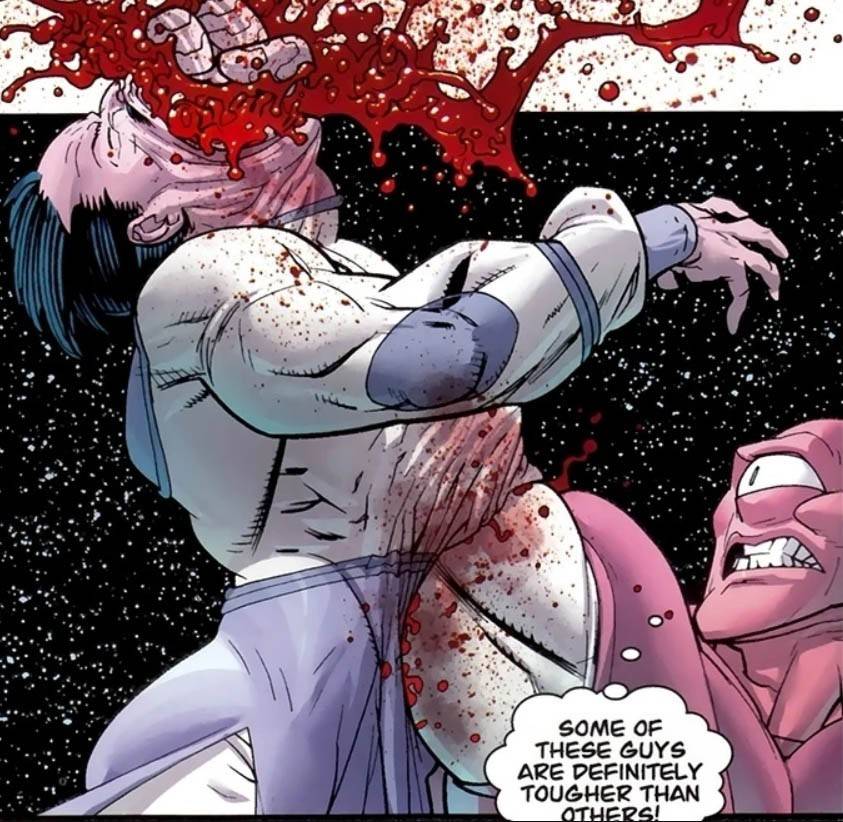 Image: amazon.com
The supporting cast experiences notable shifts. Some characters gain prominence, others are sidelined. Allen the Alien, for example, becomes more central, providing humor and context to the universe. Conversely, characters like Battle Beast receive less screen time, potentially disappointing comic fans. These adjustments reflect narrative streamlining and broader audience appeal.
Antagonists: Streamlined Motivations
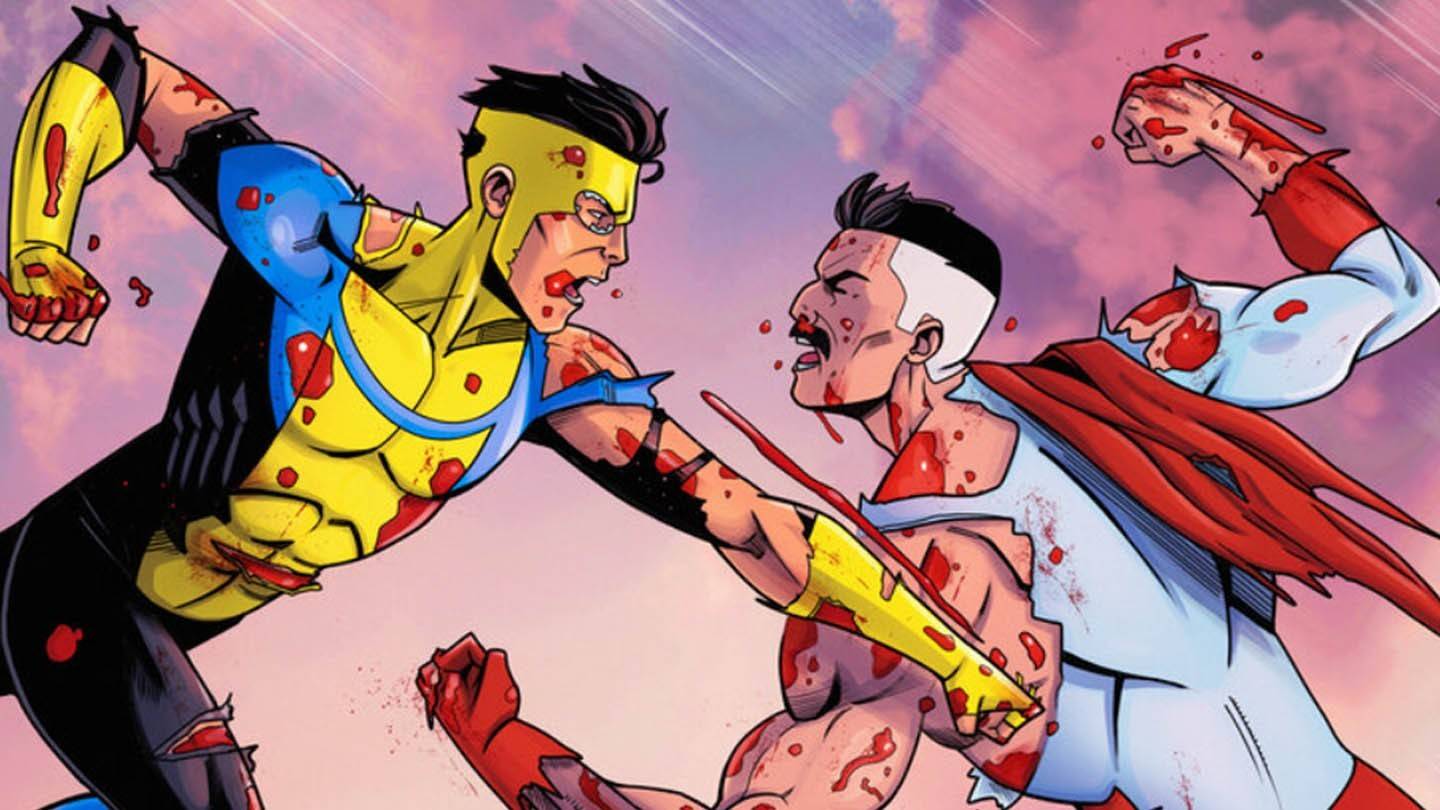 Image: amazon.com
Villains like Conquest and the Shadow Council receive more nuanced treatment in the comics. The series simplifies their motivations for pacing, focusing on high-stakes confrontations. This enhances accessibility but risks oversimplifying their complexity. Omni-Man's betrayal, for instance, feels more immediate in the series than the gradual descent depicted in the comics, altering the emotional impact.
Action Sequences: Enhanced Visuals and Choreography
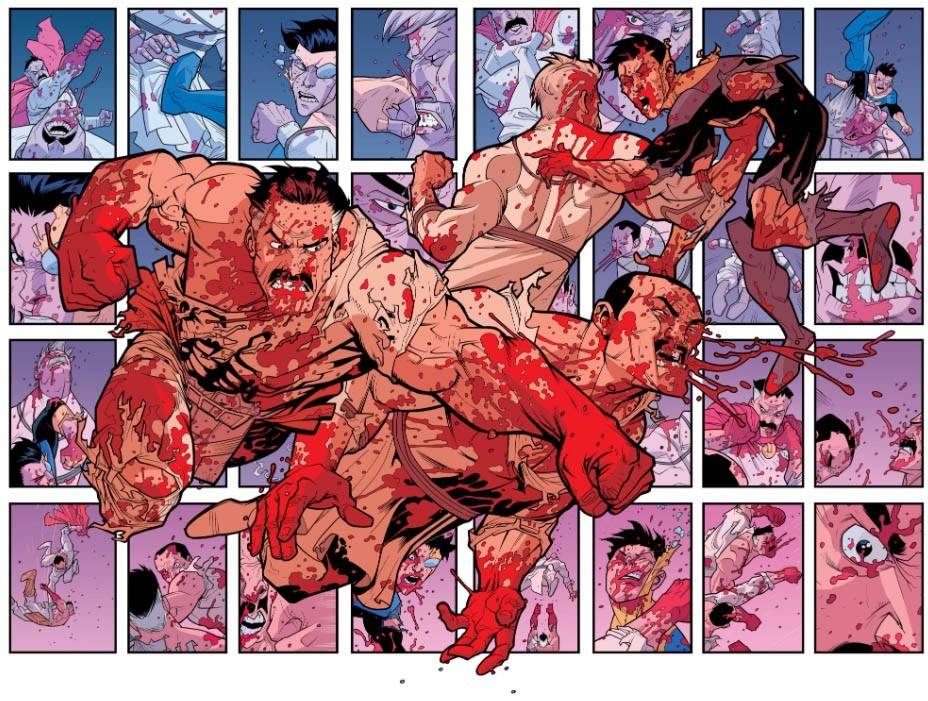 Image: amazon.com
The series excels in its action sequences, utilizing animation's capabilities for dynamic choreography and effects. Battles are visually intensified, rivaling live-action spectacles. However, these enhanced visuals sometimes diverge from the comics, though generally enhancing rather than detracting from the experience.
Thematic Focus: Morality and Legacy
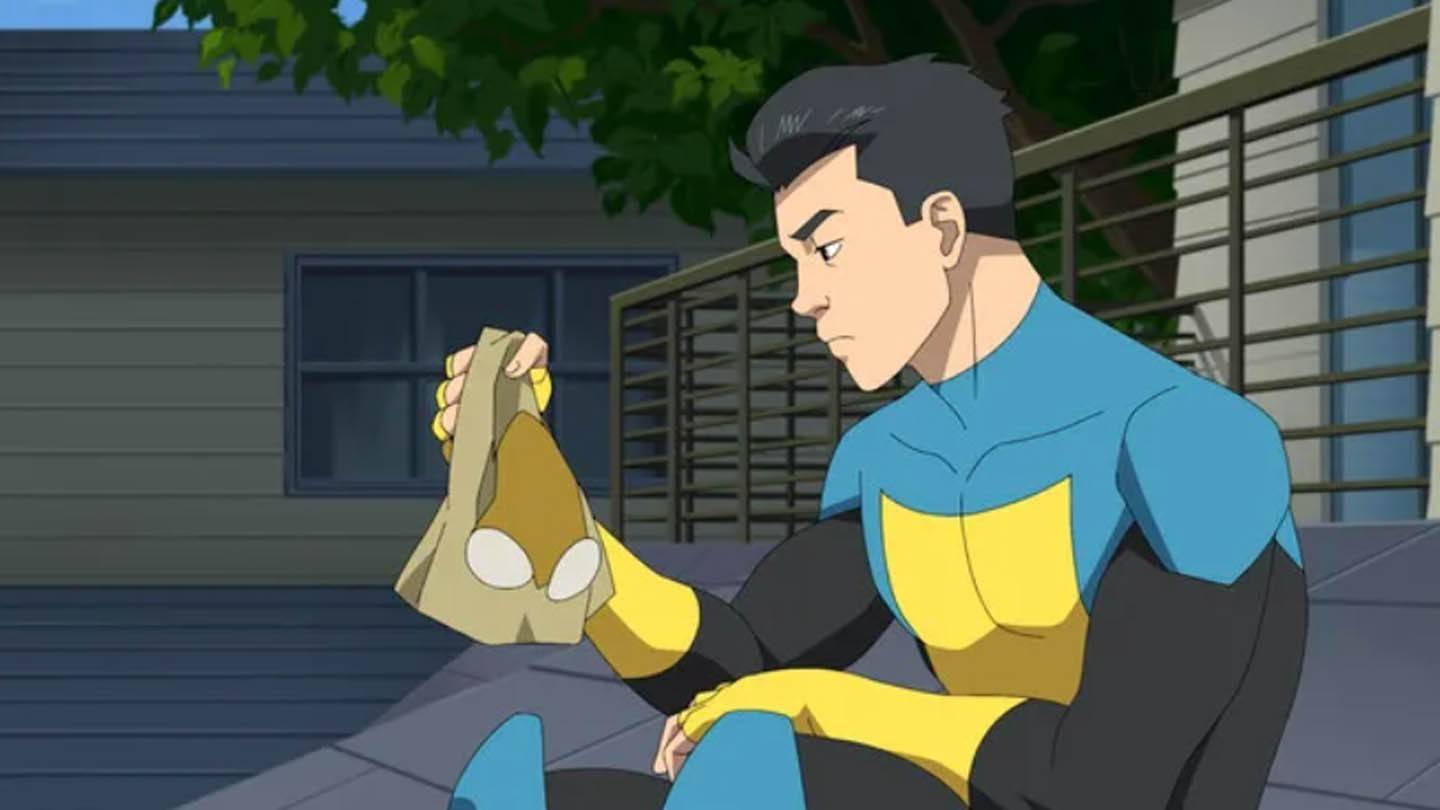 Image: amazon.com
Thematic exploration also differs. The series emphasizes morality, power, and legacy, reflecting episodic storytelling. Mark's struggle with his father's actions receives more screen time. Other themes, such as the philosophical implications of superhuman existence, are downplayed for narrative focus and accessibility.
Season 3 Critique: A Diminished Impact
Despite the acclaim of the first two seasons, season three left many fans disappointed.
Repetitive Narratives: Familiar Ground Retreaded
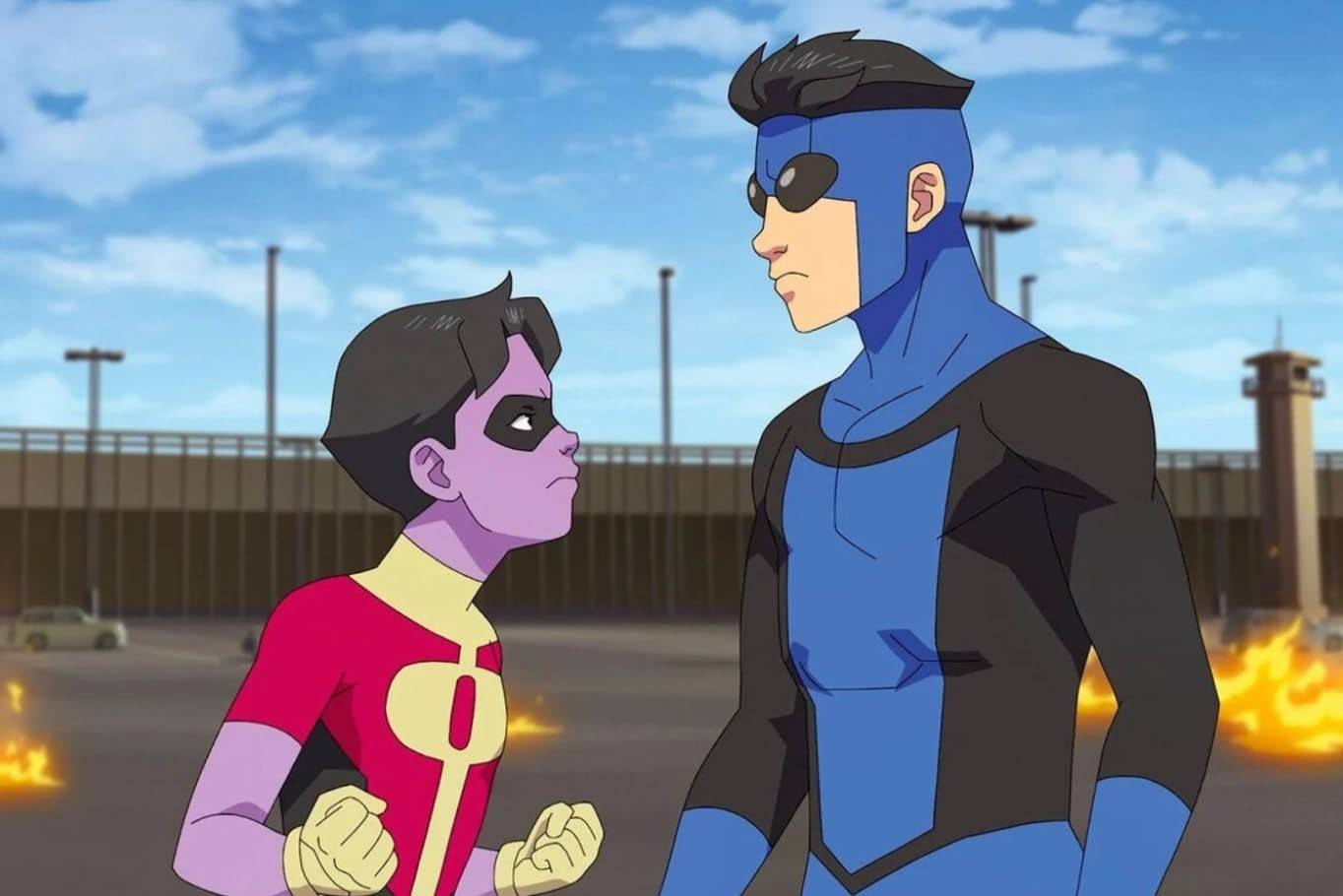 Image: amazon.com
Season three's reliance on familiar tropes is a recurring criticism. Previous seasons surprised viewers; season three revisits these themes without innovation. Mark's internal conflict regarding his father's legacy, for example, feels repetitive.
Cecil's Subplot: An Unrealized Potential
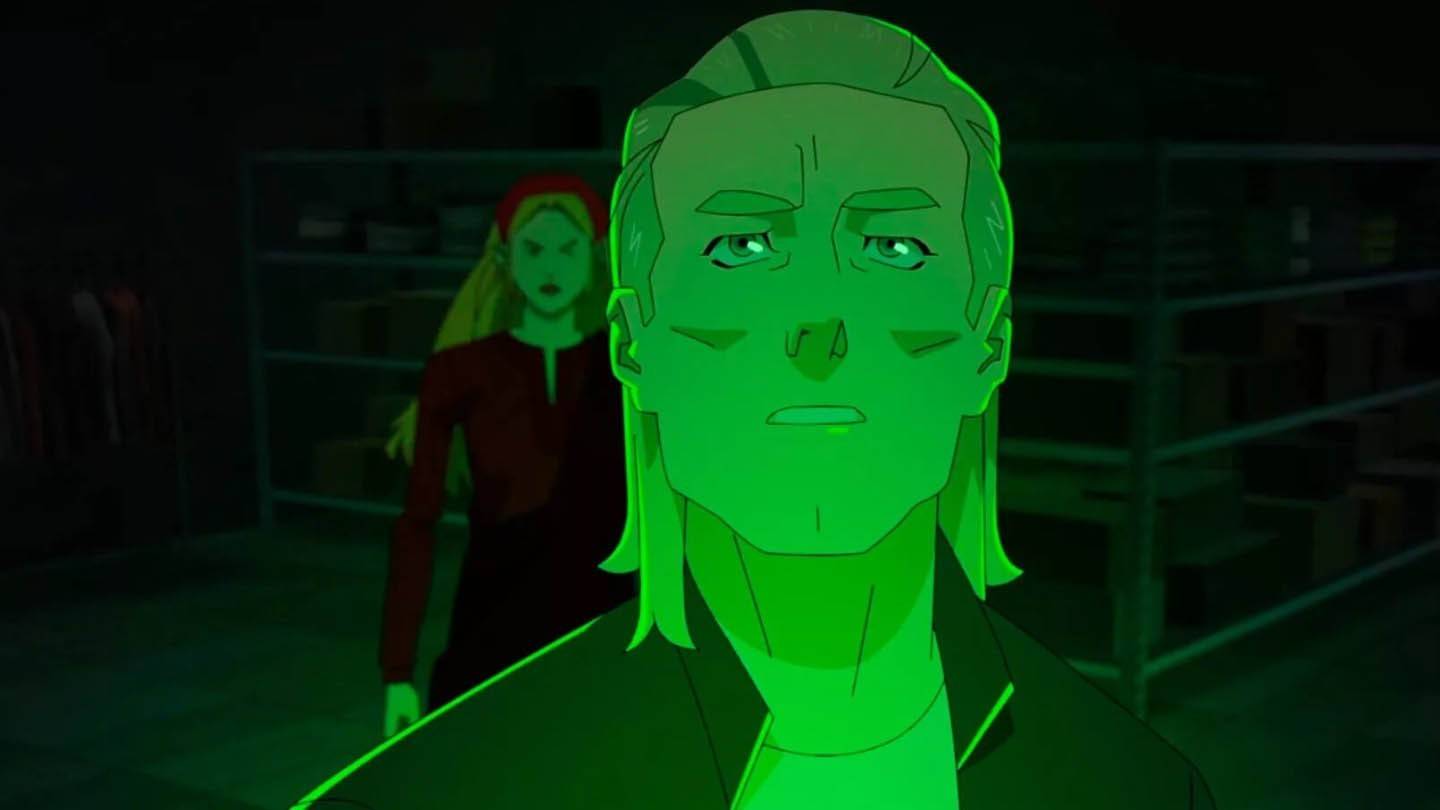 Image: amazon.com
Cecil's subplot, reprogramming criminals, is interesting but falls short due to its idealistic portrayal. In a morally ambiguous world, Cecil's solution feels naive, creating a disconnect and leaving the subplot unresolved.
Subdued Action: Lack of Impact
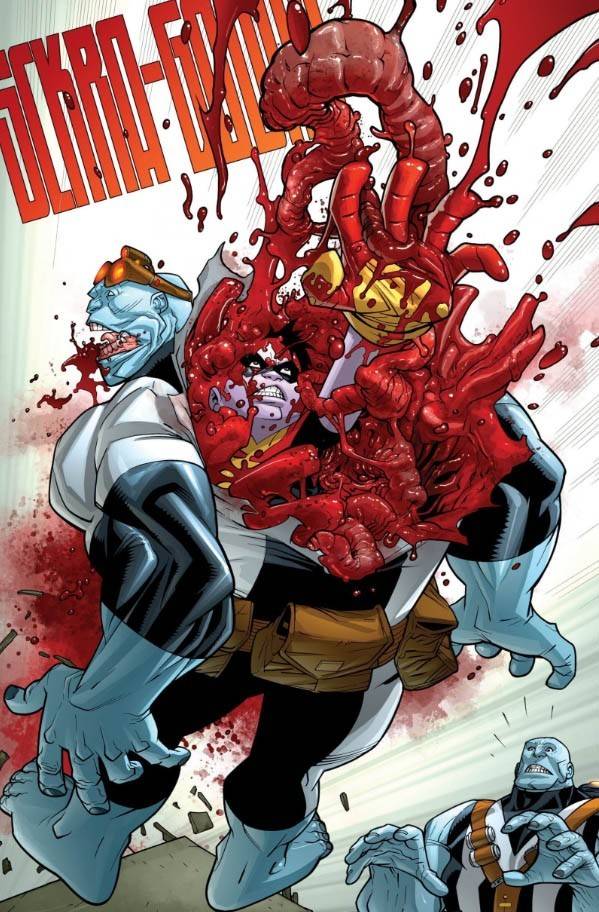 Image: amazon.com
Even the action sequences feel less impactful. While violence remains, the emotional resonance is diminished. Scenes that once thrilled now feel repetitive, lacking the stakes that made previous seasons compelling.
Slow Start: Delayed Momentum
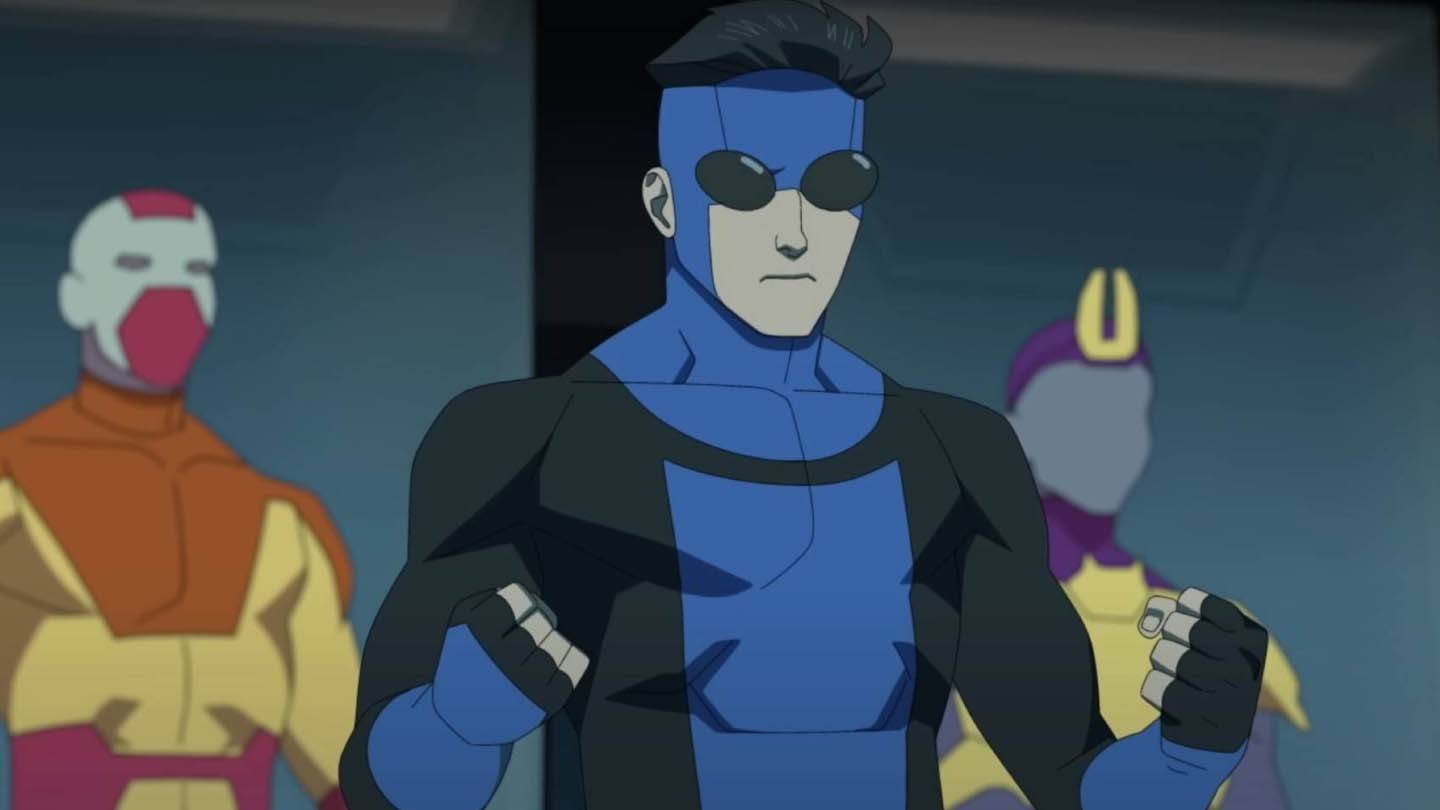 Image: amazon.com
Season three's slow start, featuring generic villains, is another issue. The lack of initial urgency is frustrating, as the series typically begins with a bang. The delayed momentum diminishes the overall excitement.
Balancing Adaptation and Innovation
The Invincible series successfully captures the spirit of the comics while adapting for television. However, season three highlights the challenges of maintaining this balance. Over-reliance on familiar tropes and prioritizing spectacle over depth risks losing the original's essence. Future seasons need to innovate and surprise to maintain audience engagement.
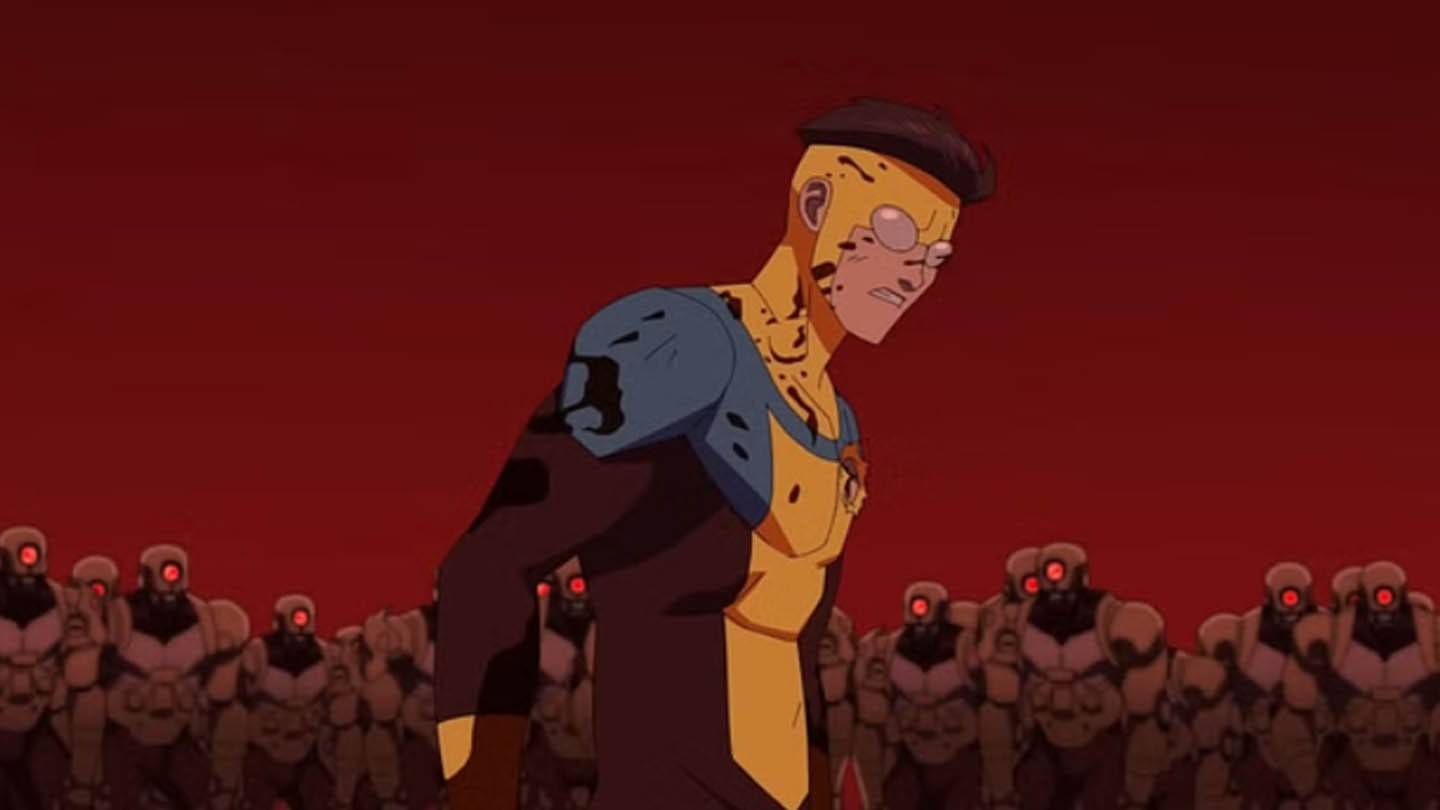 Image: amazon.com
Reasons to Continue Watching (Spoiler Alert!)
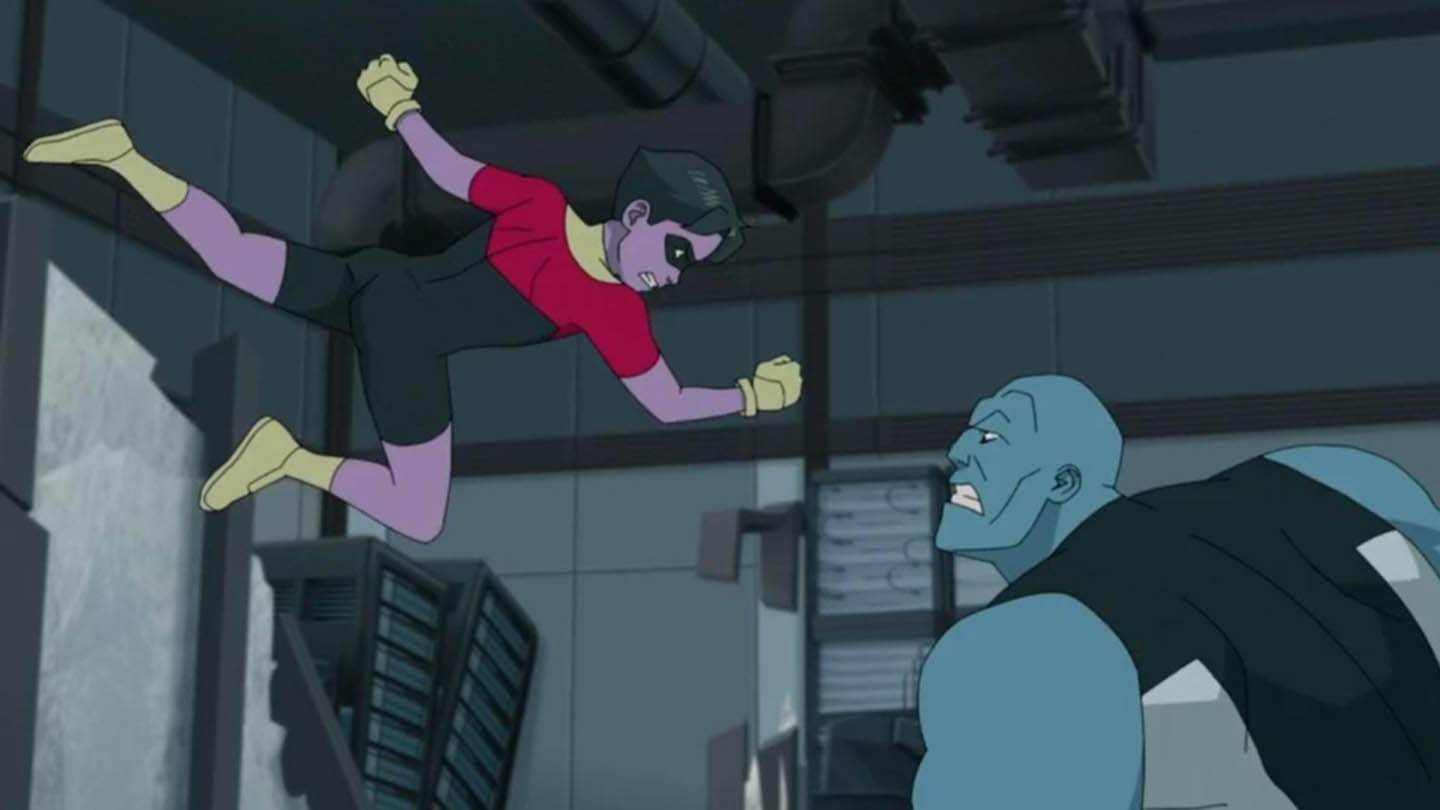 Image: amazon.com
Despite its flaws, Invincible remains visually impressive and engaging. Its intense action, compelling characters, and thought-provoking themes retain their appeal. However, don't expect the same level of excitement as the first two seasons. The series' spark has dimmed, resulting in a solid but ultimately less spectacular continuation. The hope remains that future episodes will recapture the initial magic. The question remains whether the series can match the depth and impact of the source material, given its completion and the series' relatively faithful adaptation.