
From vibrant dyes to breathtaking landscapes, Minecraft's diverse flora offers a wealth of possibilities. This guide explores the unique characteristics and uses of various flowers, enhancing your in-game adventures.
Table of Contents
- Poppy
- Dandelion
- Allium
- Rose Bush
- Wither Rose
- Peony Bush
- Lily of the Valley
- Tulip
- Azure Bluet
- Blue Orchid
- Cornflower
- Torchflower
- Lilac
- Oxeye Daisy
- Sunflower
Poppy
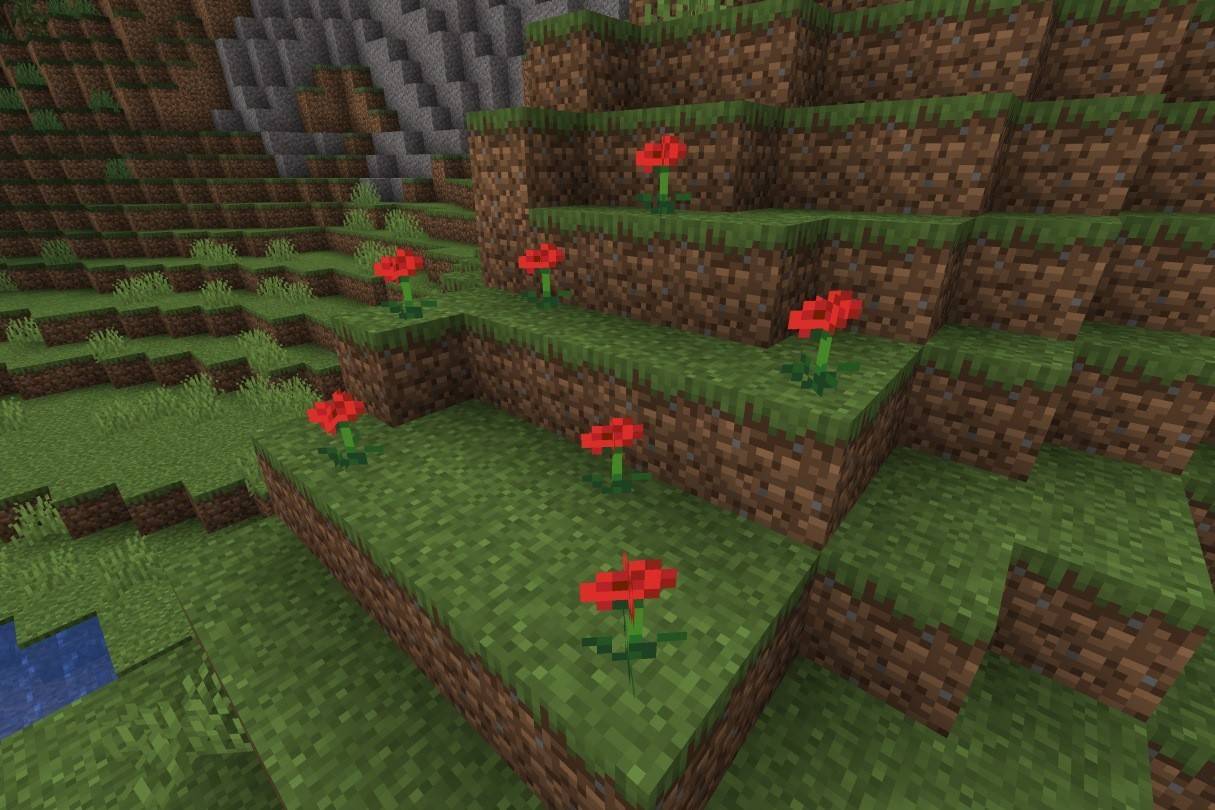
Replacing the original "rose" and cyan flowers, poppies are readily found across various biomes. Iron Golems occasionally gift them to village children. Their primary use is crafting red dye, essential for coloring banners, beds, wool, sheep, and tamed wolf collars.
Dandelion
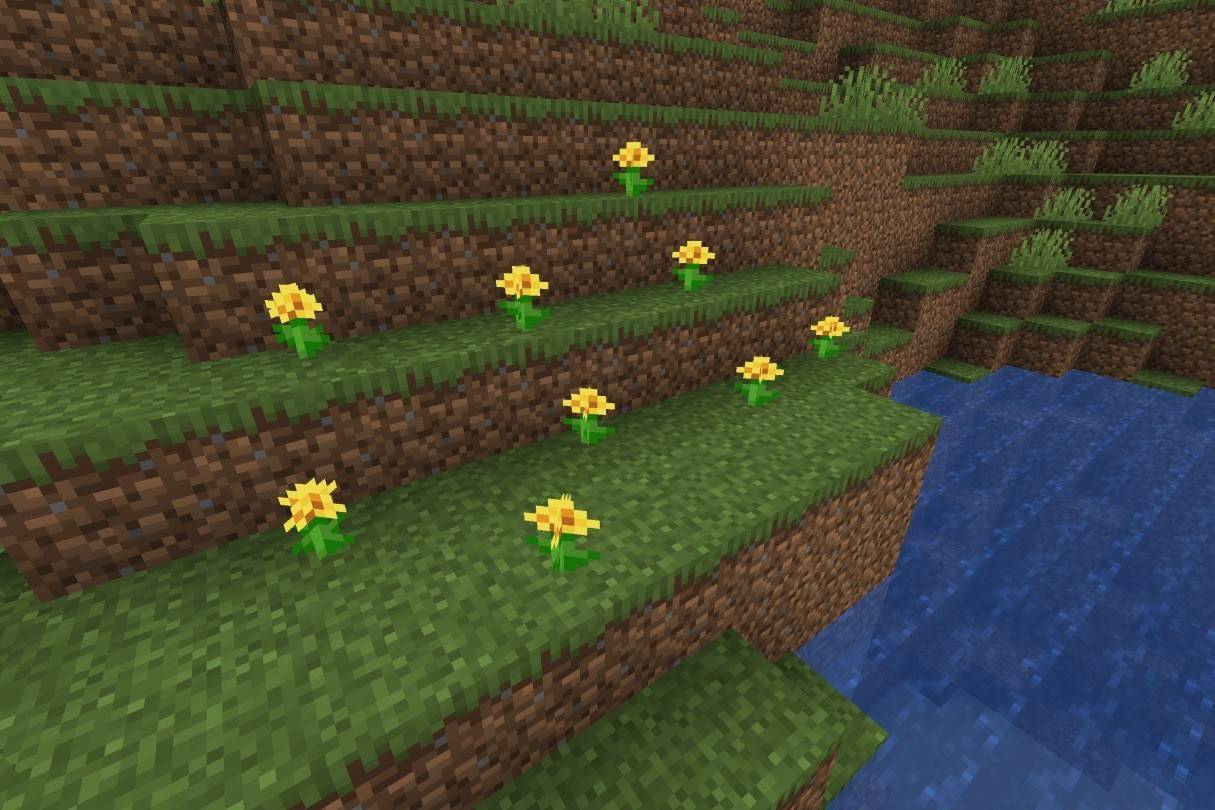
These cheerful yellow blossoms, absent from marshes and ice plains, are plentiful in flower forests. They yield one unit of yellow dye (sunflowers provide two). Perfect for adding a sunny touch to banners, wool, and other decorative elements.
Allium
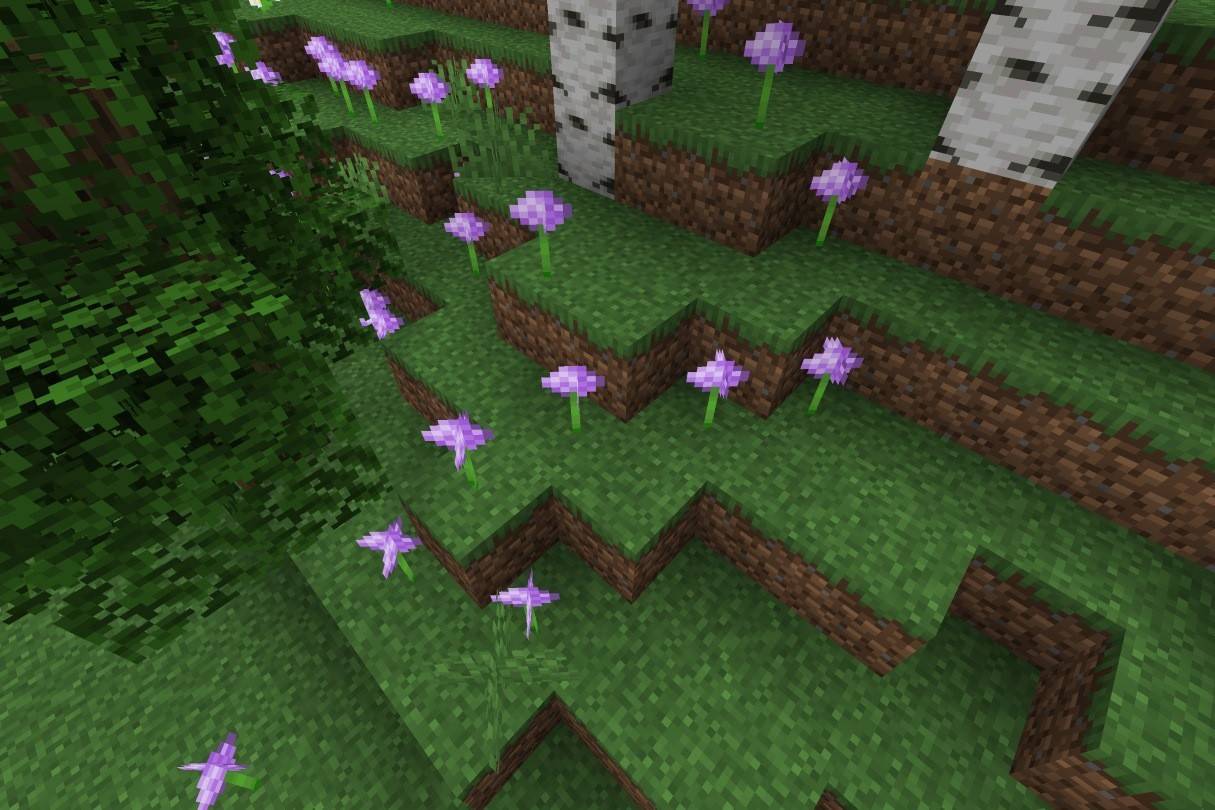
Alliums, stunning purple flowers found in flower forests, are key to creating magenta dye. This dye is used to recolor mobs and craft blocks like magenta stained glass, terracotta, and wool, adding elegance to any build.
Rose Bush
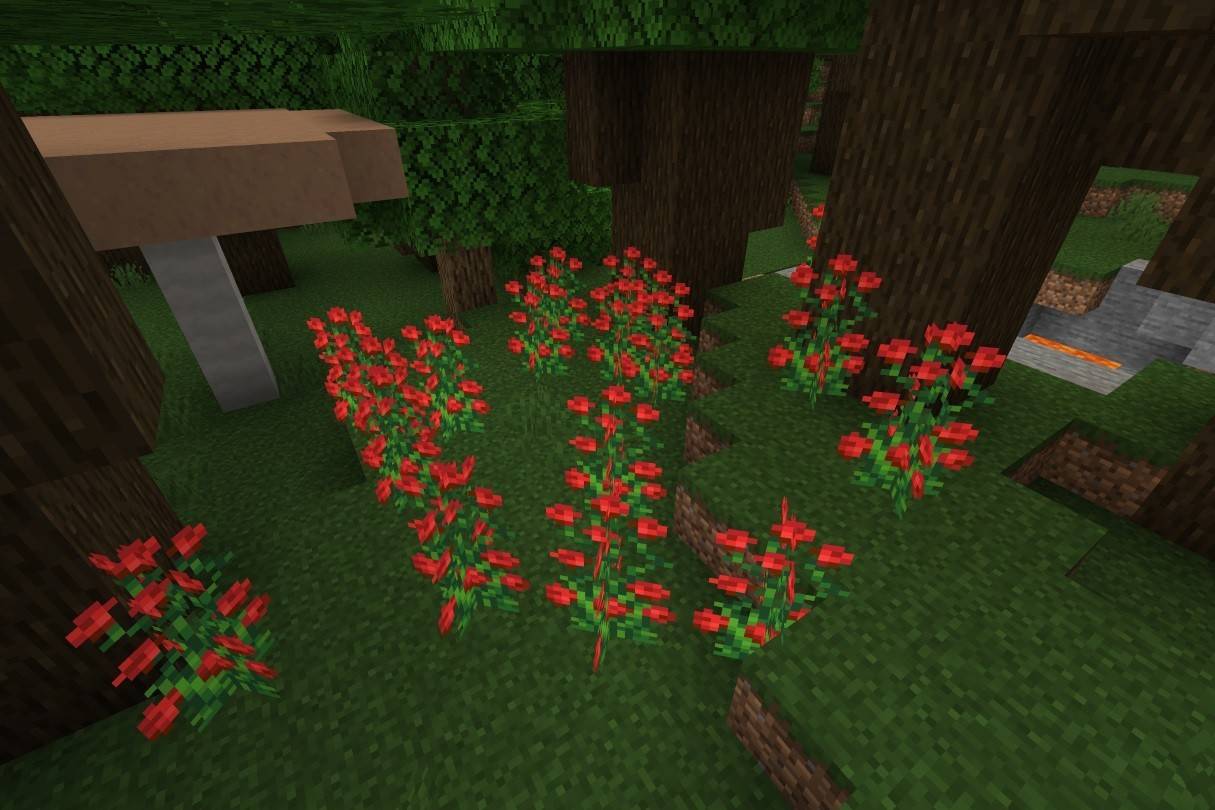
These tall, red-flowered plants thrive in various wooded biomes. Like lilacs and sunflowers, they are two-block-high flowers. Rose bushes provide red dye for wool, banners, beds, leather armor, and more. Unlike the dangerous wither rose, they are a safe and beautiful addition to any landscape.
Wither Rose
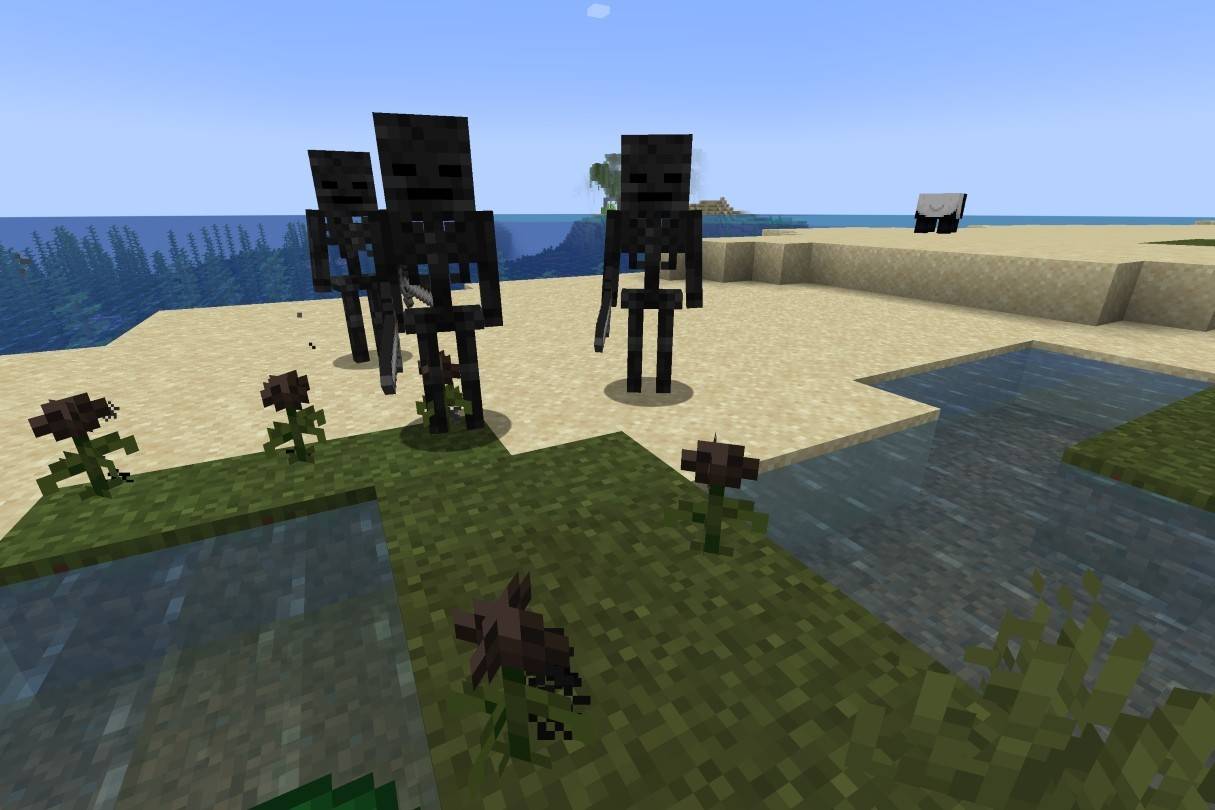
A rare and dangerous flower, the wither rose doesn't grow naturally. It's obtained by Wither kills or occasionally found in the Nether. Stepping on it inflicts the Wither effect (curable with milk). It creates black dye, used for leather armor, terracotta, banners, beds, wool, firework stars, and black concrete powder.
Peony Bush
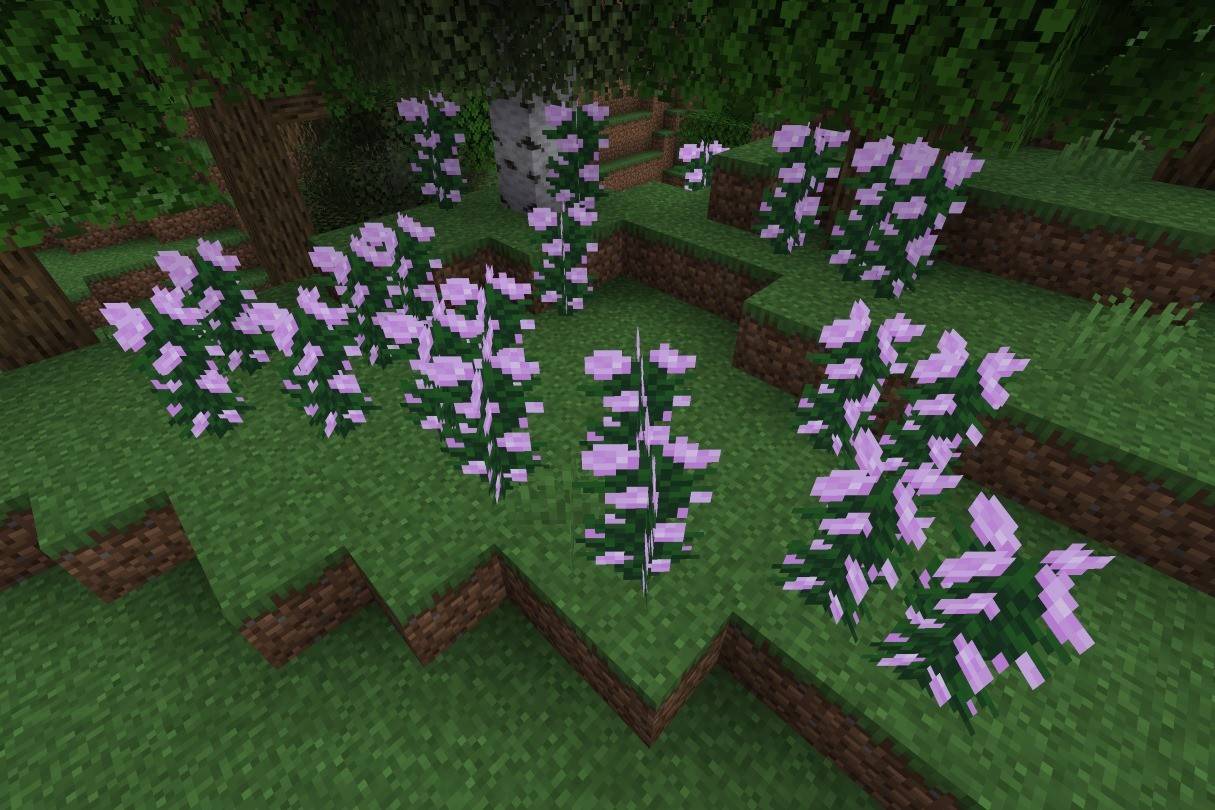
These tall, pink flowers flourish in woodland ecosystems. They produce pink dye (also craftable from red and white dye). Bone meal allows for easy propagation, making them a readily available source of pink dye for wool, stained glass, terracotta, and wolf collars.
Lily of the Valley
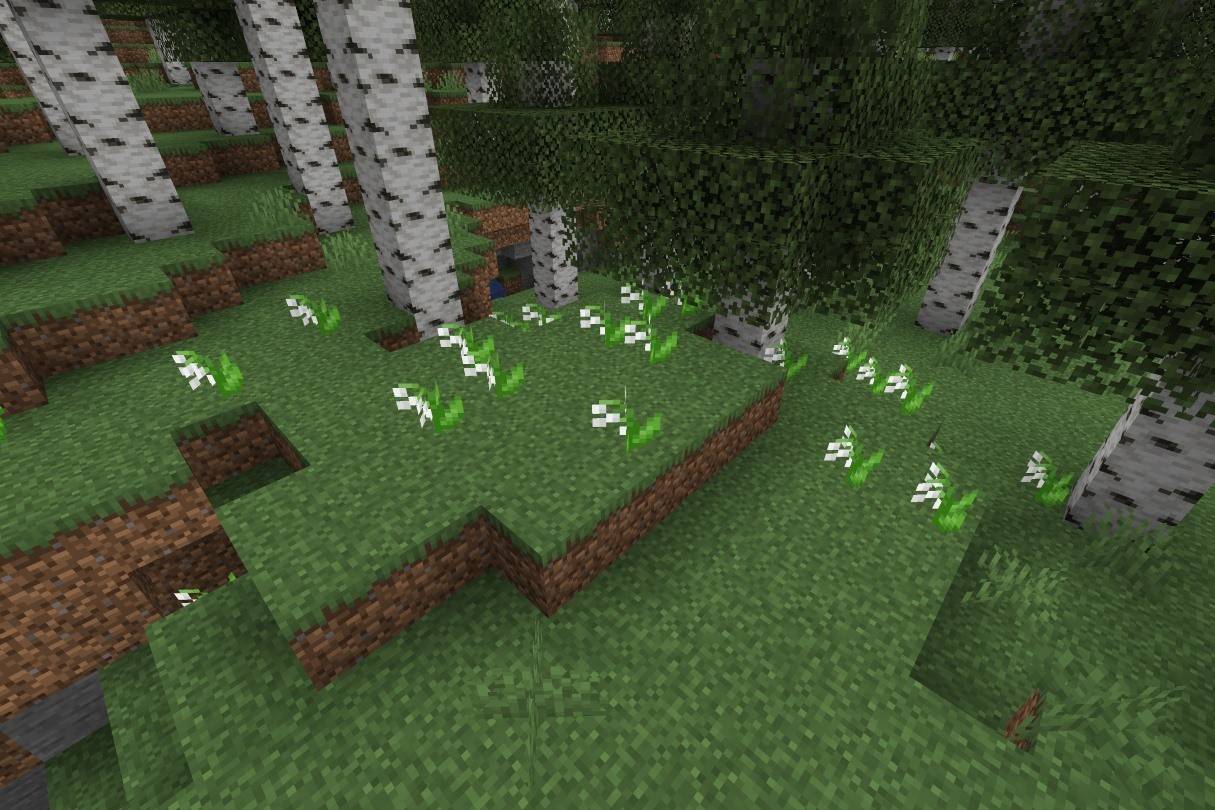
These delicate, bell-shaped flowers, found in forests and flower forests, yield white dye. White dye is a base for many other colors, including gray, light gray, light blue, lime, magenta, and pink, making these flowers incredibly versatile.
Tulip
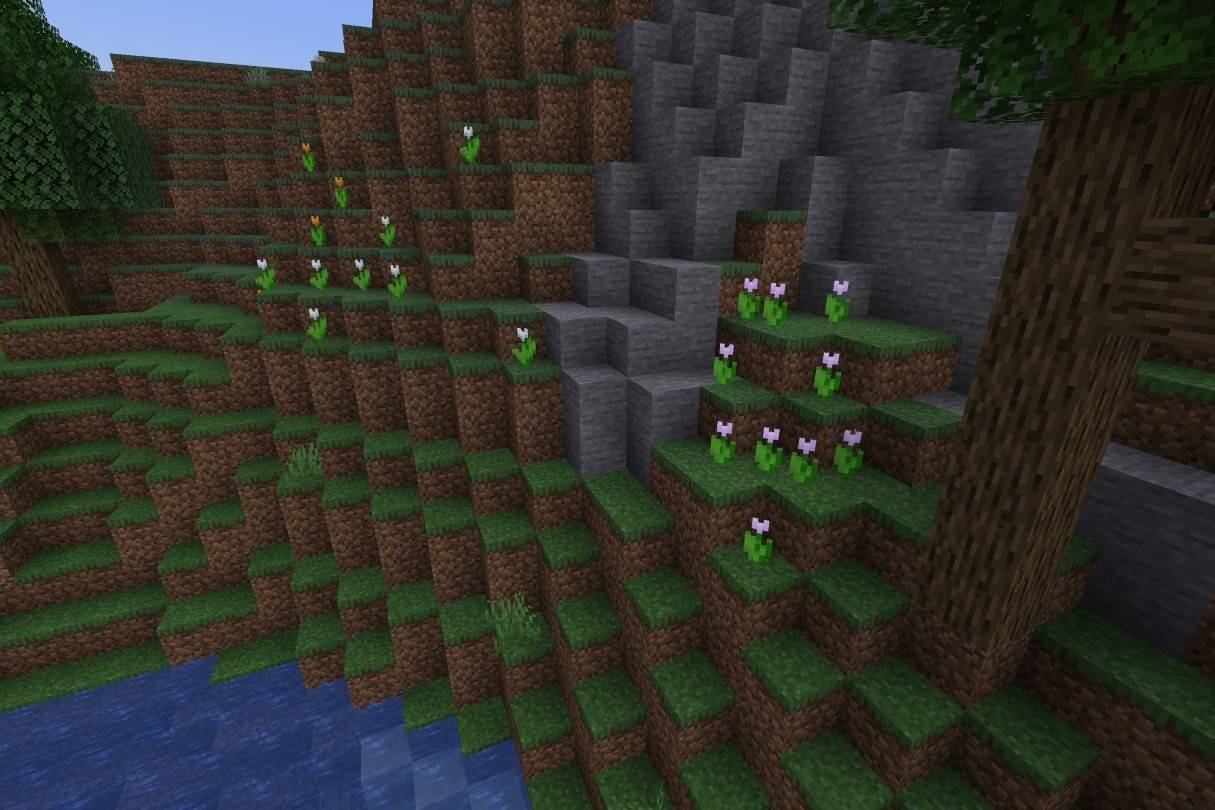
Tulips come in red, orange, white, and pink varieties, found in plains and flower forests. Their color dictates the dye they produce (red, pink, orange, or light gray), offering diverse customization options.
Azure Bluet
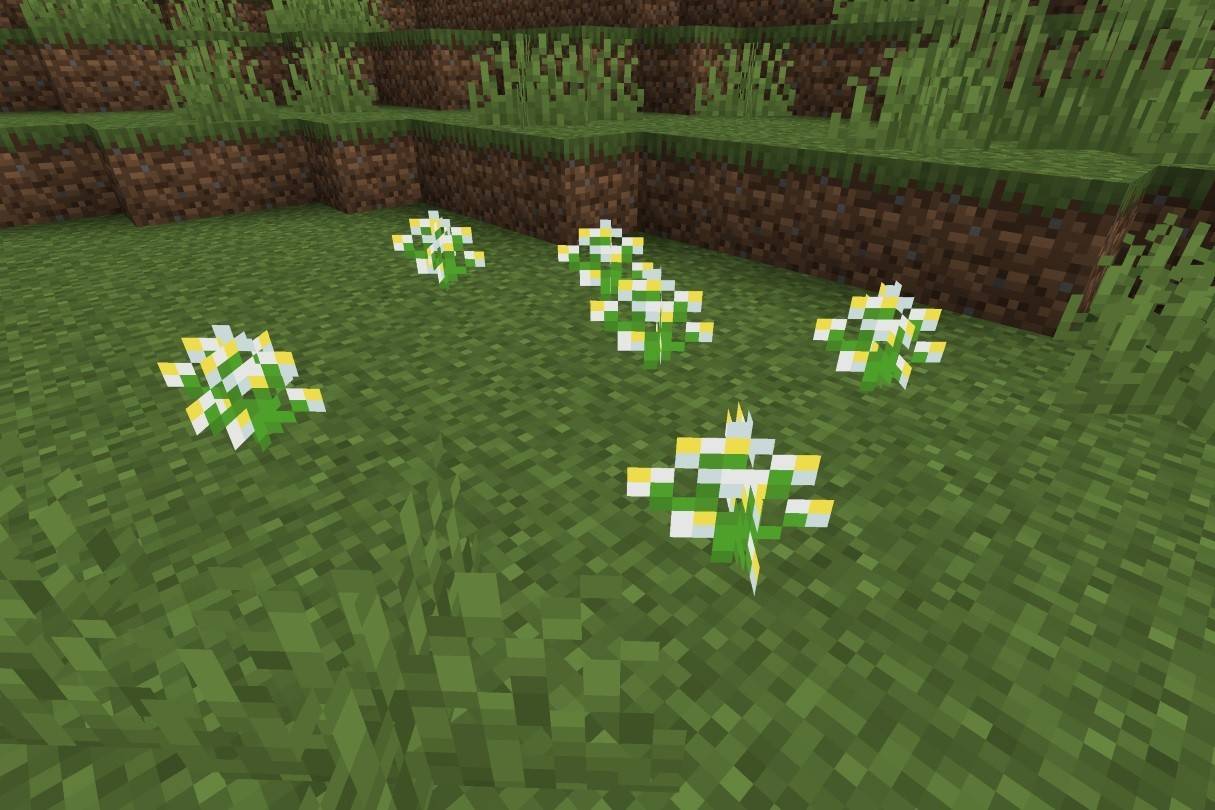
This small, white and yellow flower thrives in grasslands, sunflower plains, and flower forests. It's used to create light gray dye.
Blue Orchid
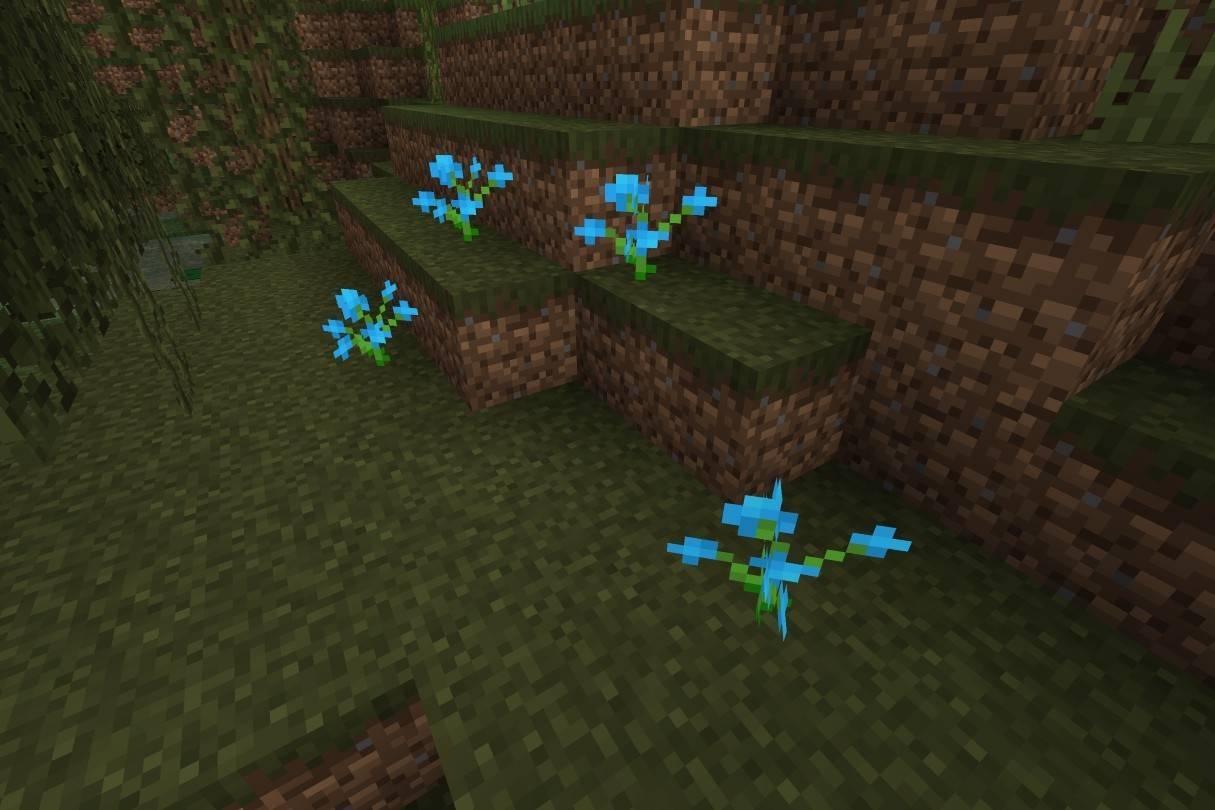
A rare, vibrant flower found in swamp and taiga biomes, the blue orchid is a source of light blue dye.
Cornflower
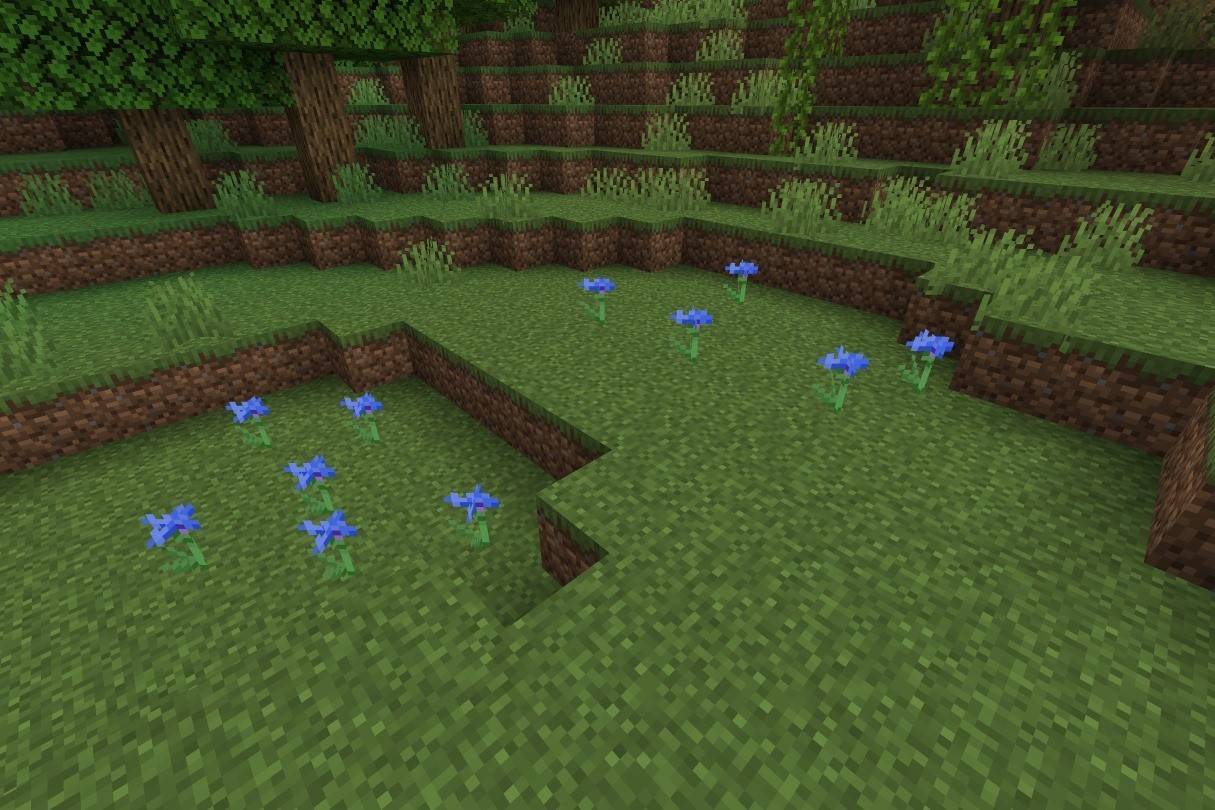
These blue flowers, found in plains and flower forests, produce blue dye for wool, glass, and terracotta.
Torchflower
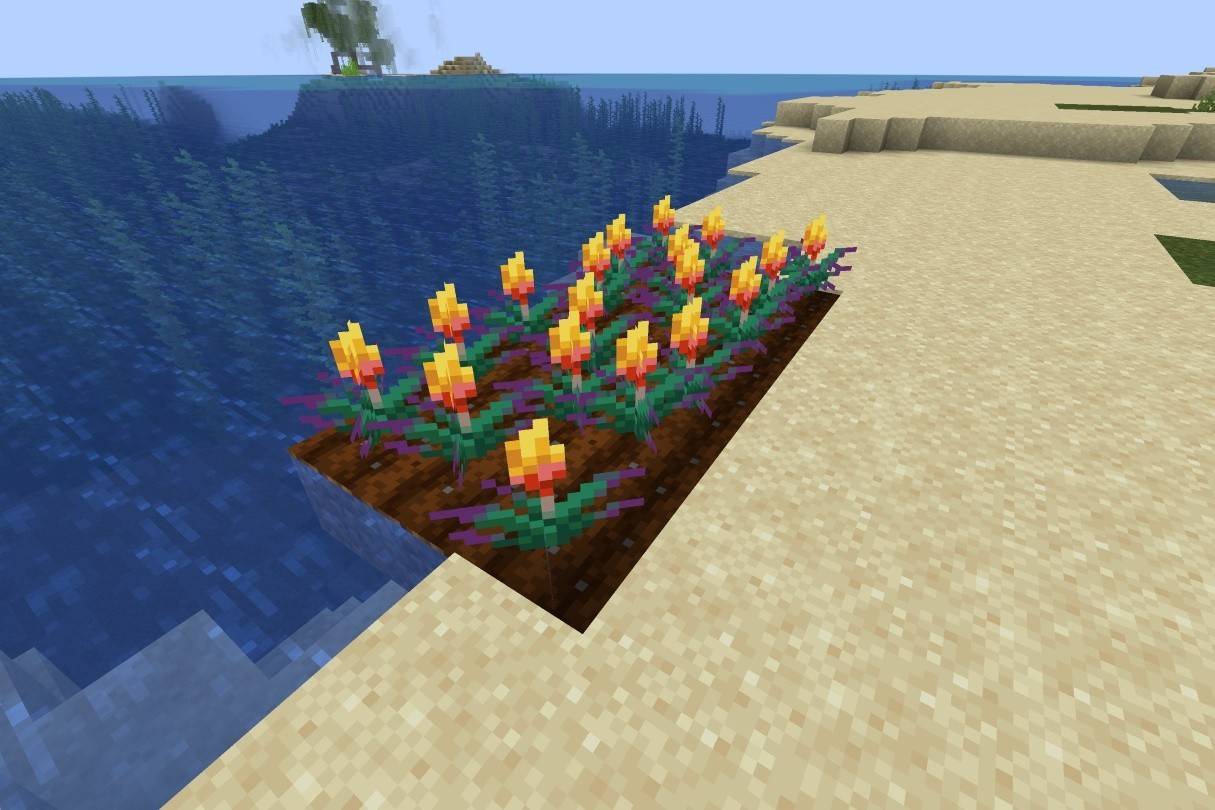
Grown from seeds, the torchflower yields orange dye. Its behavior varies slightly between Java and Bedrock editions.
Lilac
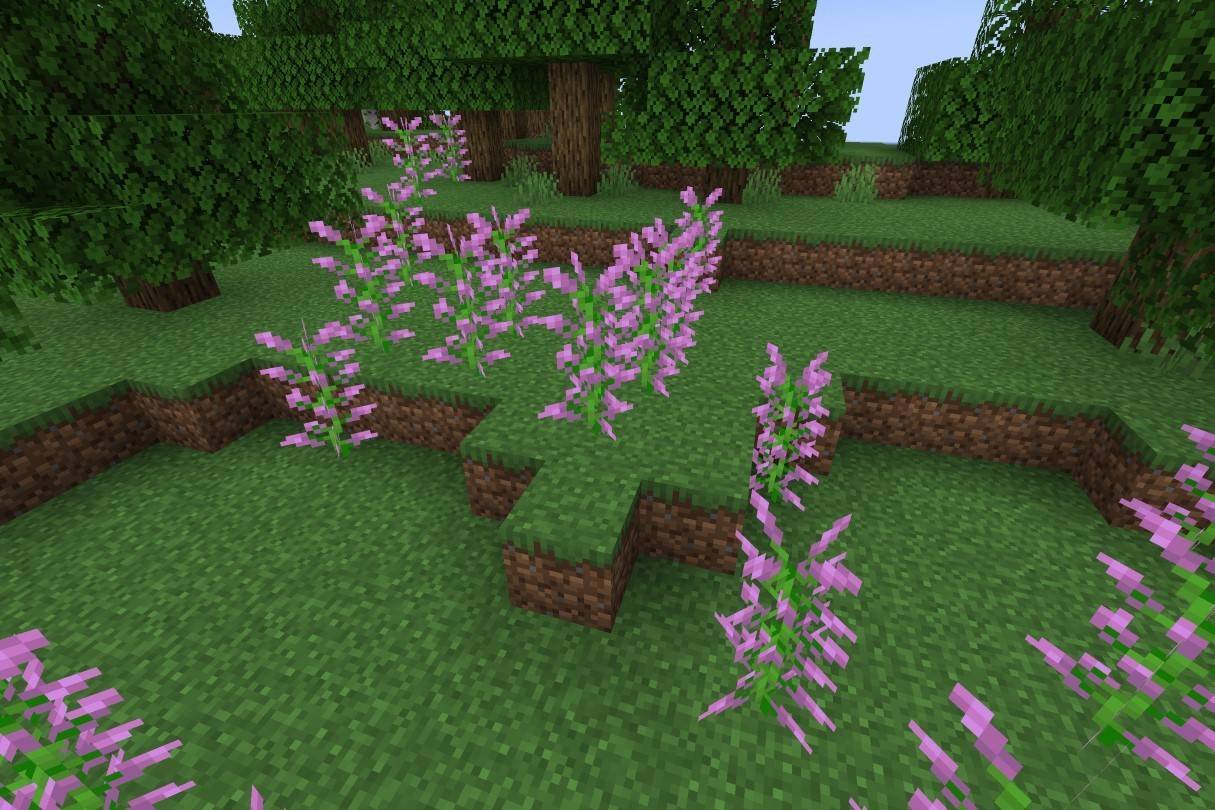
These tall, light-purple flowers are found in various forest biomes. They create magenta dye.
Oxeye Daisy
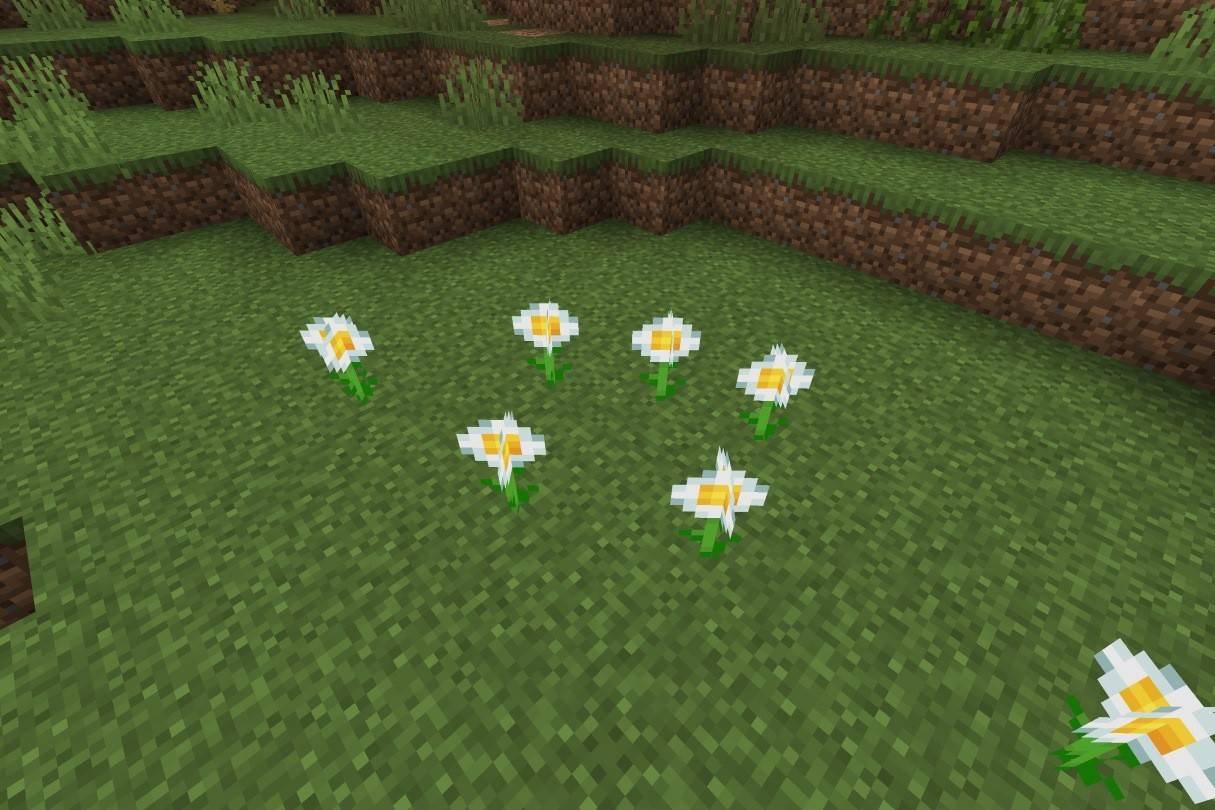
This white flower with a yellow center, found in plains biomes, produces light gray dye for wool, leather armor, and glass.
Sunflower
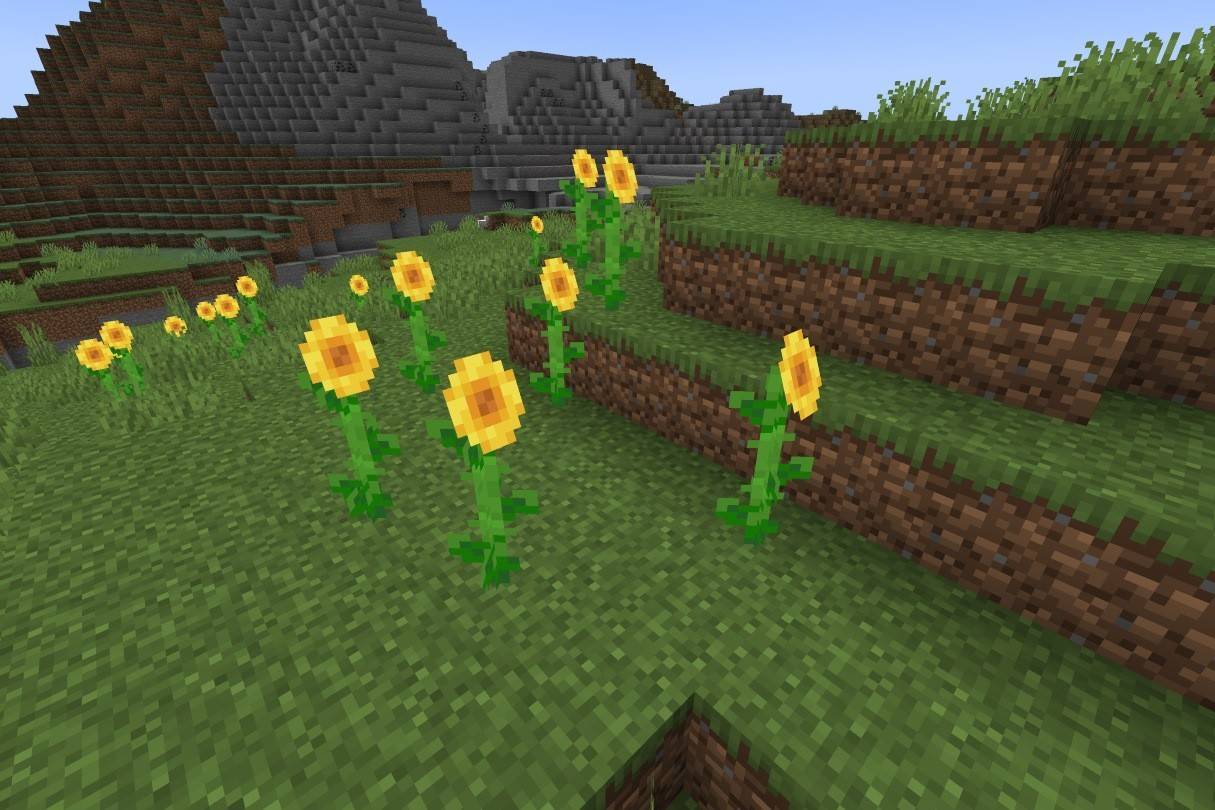
Sunflowers, found in sunflower plains, produce yellow dye. Their eastward orientation makes them useful for navigation.
Explore these flowers, experiment with their uses, and unlock their full potential in your Minecraft world!