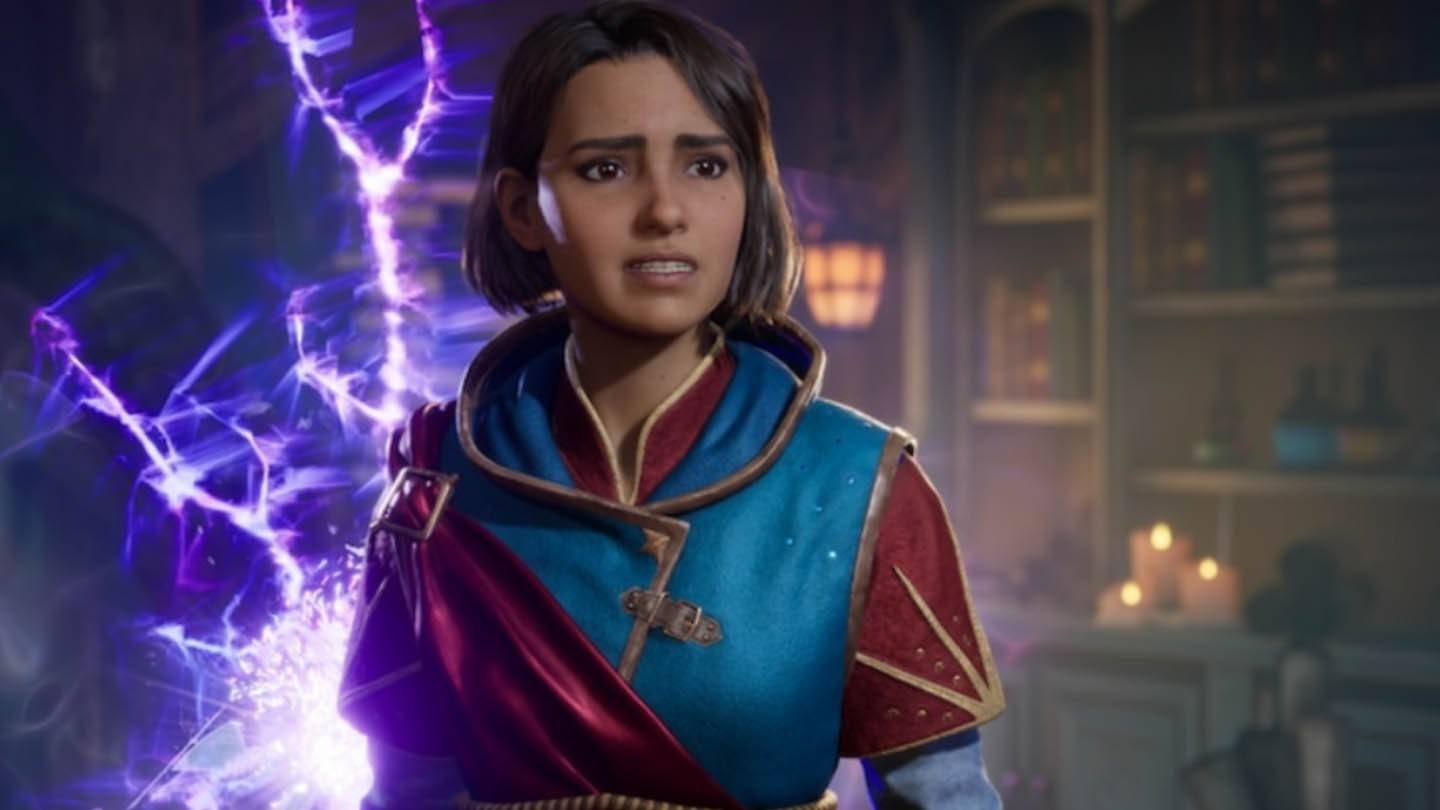
Split Fiction, the highly anticipated cooperative adventure game from the creator of It Takes Two, has unfortunately fallen victim to piracy just days after its March 6, 2025 release across multiple platforms, including Steam. Despite critical acclaim and positive early Steam reviews, the game's lack of robust DRM, specifically the absence of Denuvo anti-tamper technology, made it a quick target for hackers.
This lack of Denuvo significantly weakened the game's security, allowing for relatively easy circumvention of its protections. Consequently, pirated copies of Split Fiction began appearing online within days of launch, enabling unauthorized access to the full game.
This situation underscores the ongoing tension developers face: balancing player experience and accessibility against the need to protect their intellectual property from piracy. Many gamers appreciate the absence of intrusive DRM like Denuvo, yet this also leaves games vulnerable to early exploitation.
Developed by the same creative force behind It Takes Two, Split Fiction has earned praise for its innovative co-op mechanics, engaging narrative, and stunning visuals. Positive early player feedback on Steam reflects this enthusiasm, suggesting the game is a worthy successor to Josef Fares' previous hit. The game's cooperative journey blends clever puzzles, heartfelt storytelling, and dynamic gameplay. Its success among legitimate players highlights the potential financial impact piracy can have on sales and developer revenue.
The decision to omit Denuvo in Split Fiction has reignited the debate surrounding DRM in modern gaming. While some argue DRM negatively impacts performance and frustrates legitimate players, others see it as a necessary anti-piracy measure. In Split Fiction's case, the absence of DRM may have contributed to its rapid compromise, raising questions about whether Electronic Arts underestimated the speed and efficiency of modern piracy techniques.